Digital Humanities and Ottoman Studies: A Review
Witnessing Ottoman Studies’ recent integration of AI is exciting for the field’s development in terms of its inclusion of wider,…
Witnessing Ottoman Studies’ recent integration of AI is exciting for the field’s development in terms of its inclusion of wider,…
Introduction This year’s pieces for Digital Humanities in General have covered various aspects of the practice and theory of Digital…
Introduction In my previous work exploring the first volume of Künhü’l-Ahbar, Gelibolulu Mustafa Âlî’s work on history and geography from…
Introduction The first article of this series explored the general landscape of digital studies on Arabic script in France. The…
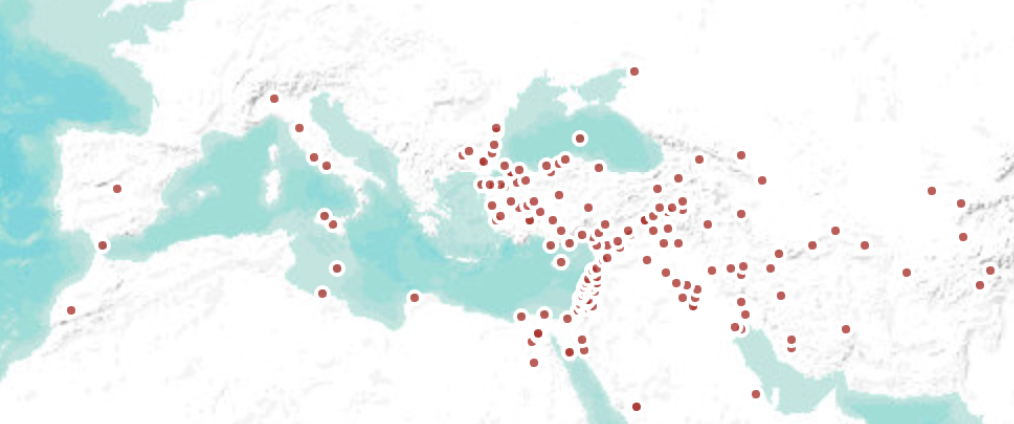
This paper presents a computational pipeline for working with spatial data in Ottoman Turkish, from extracting place names via named-entity…
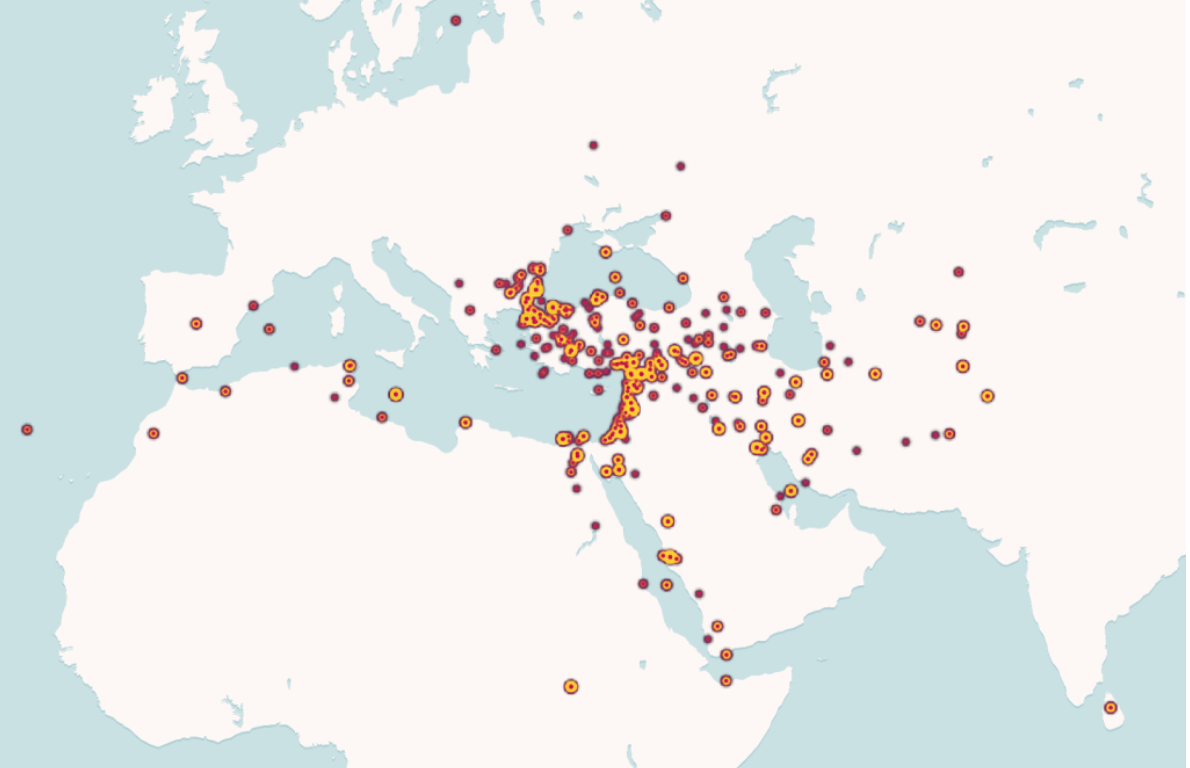
This article examines the flow of Ottoman citizens, including Armenians, Jews, Christians, and Muslims, to the United States during the…
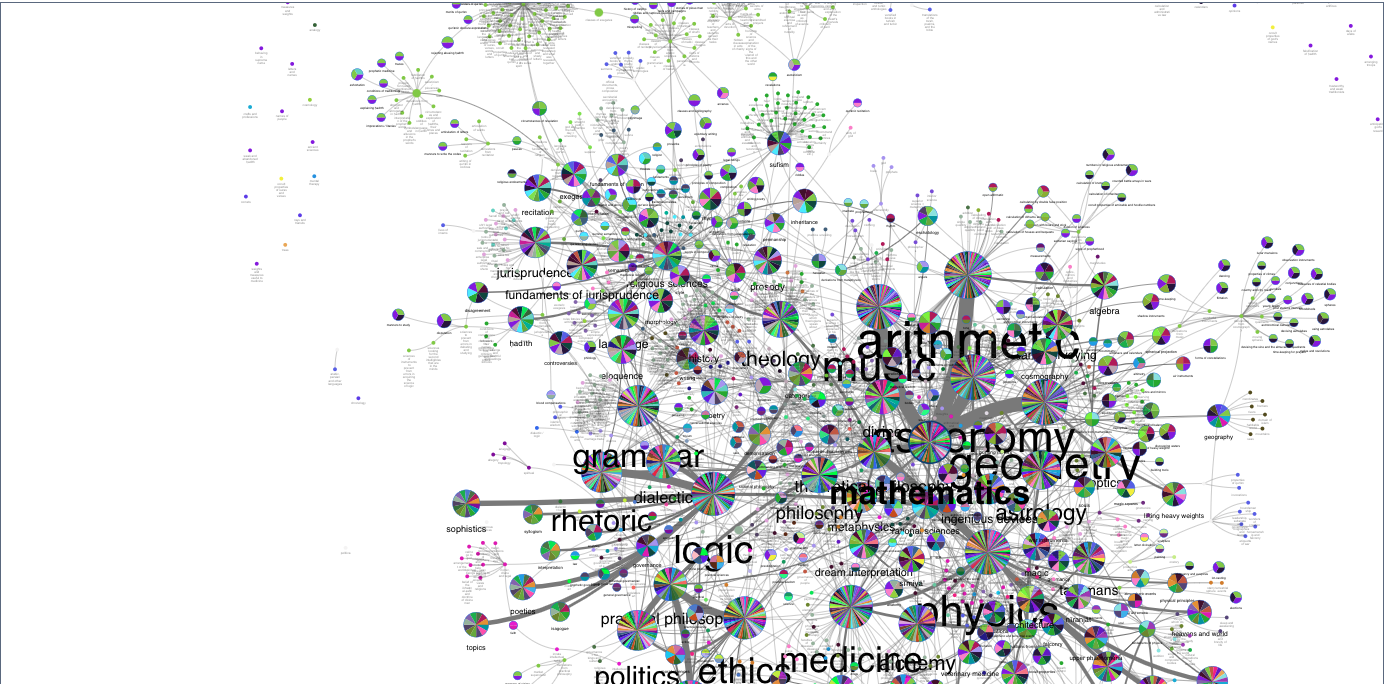
Introduction A fundamental question in the history of science from antiquity to the premodern era is how people organized knowledge,…
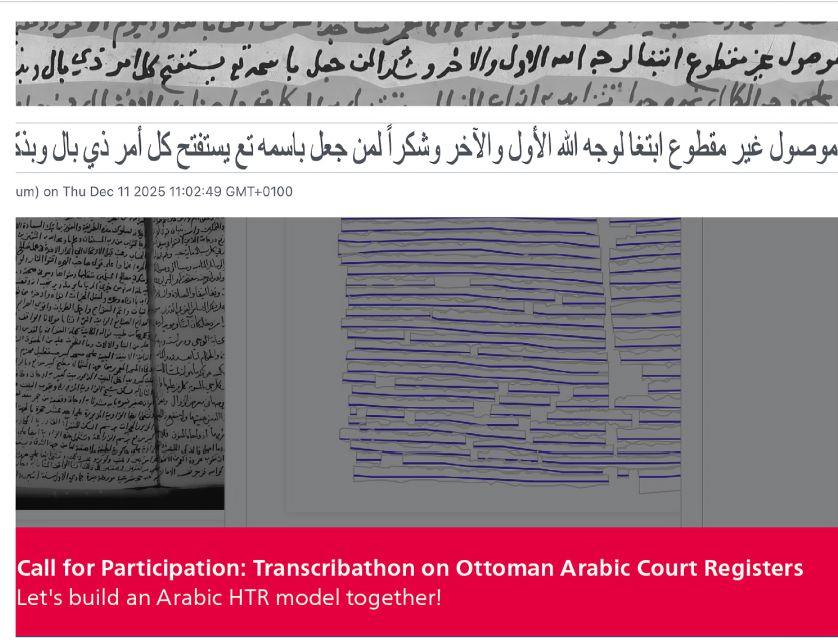
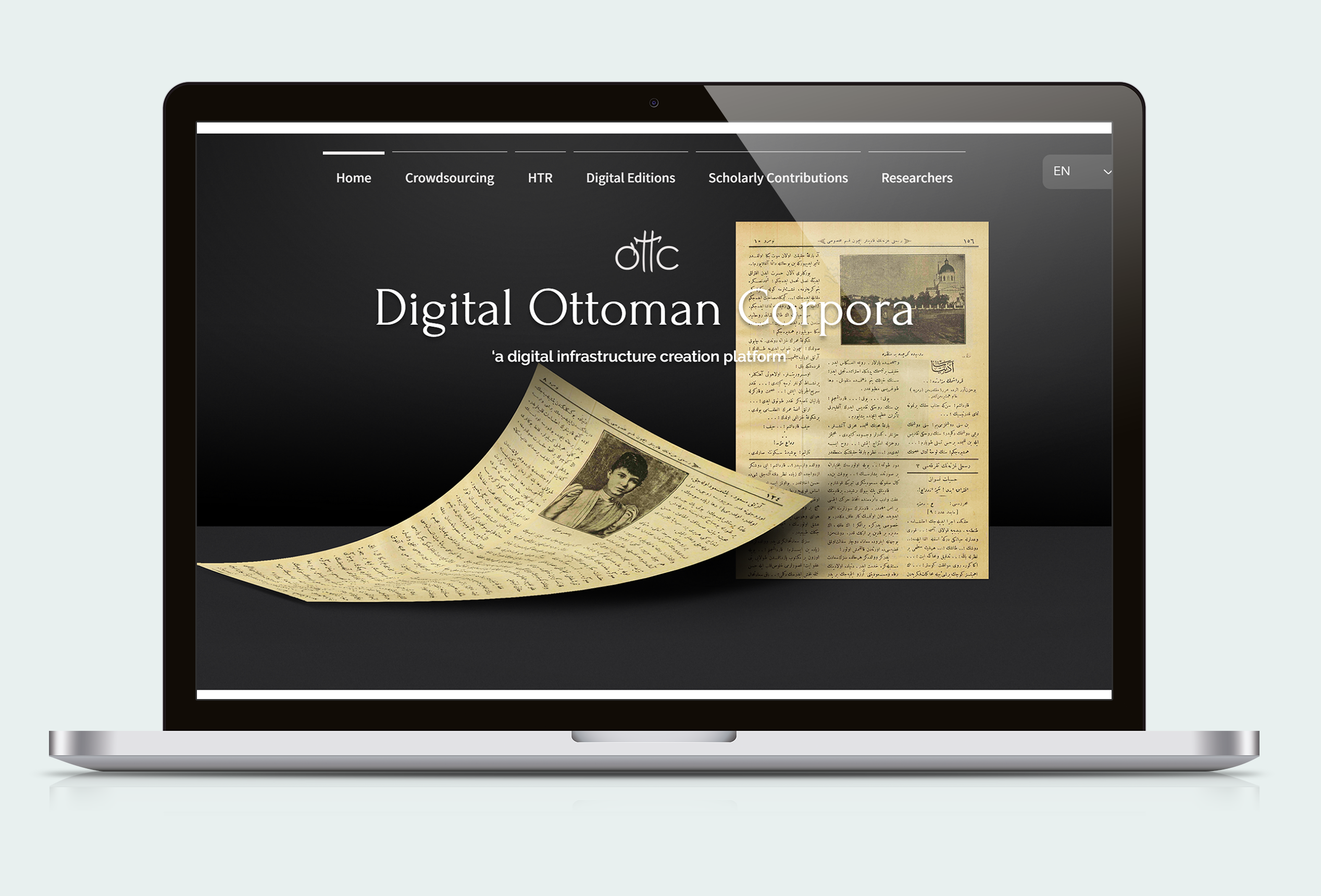
It is fascinating to see how Ottoman Turkish texts are transcribed with the help of artificial intelligence (AI)-operated tools, such as Handwritten…
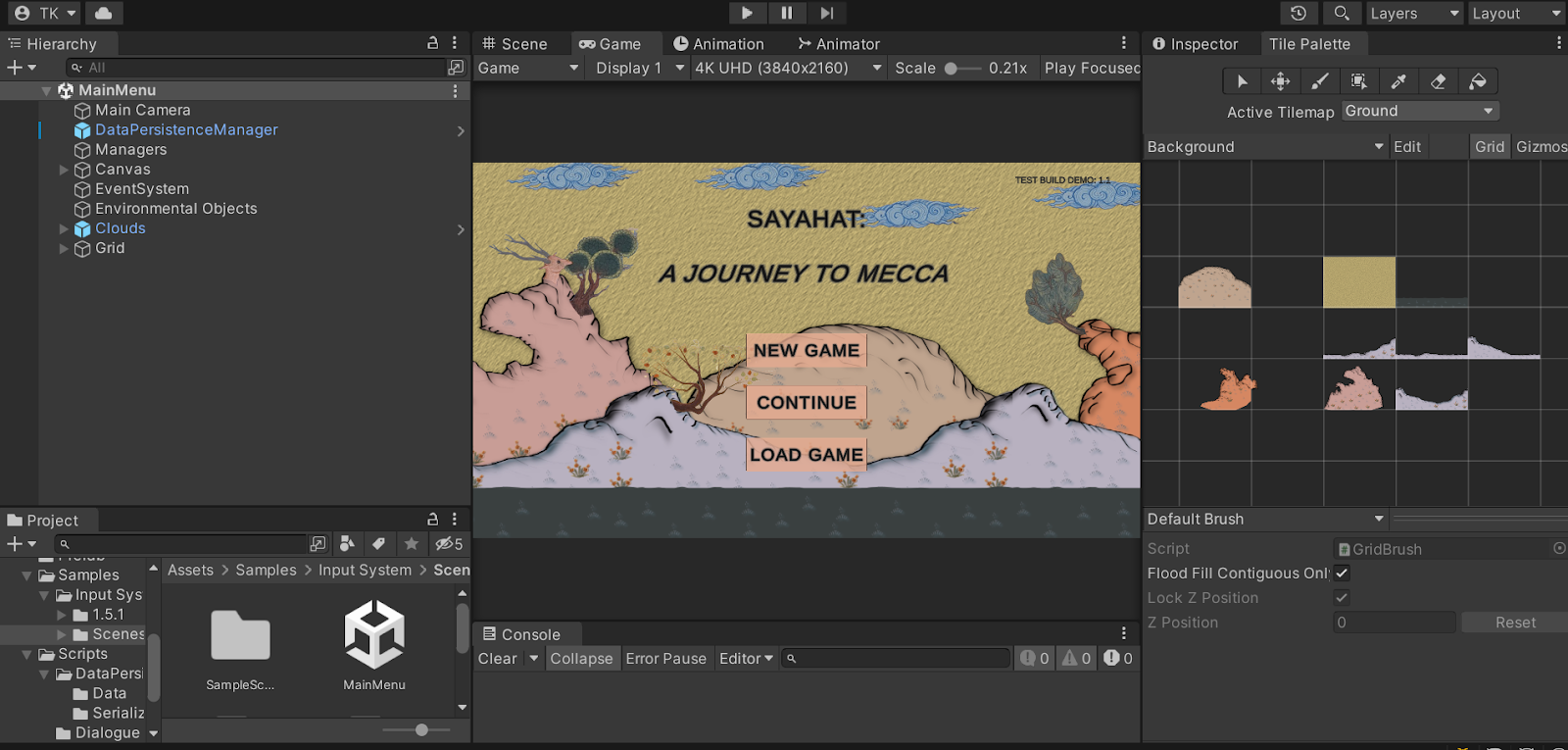
Last spring I wrote a post on why video games should be considered valued tools for teaching non-Western narratives of…
The 29th International Congress of Deutsche Arbeitsgemeinschaft Vorderer Orient (DAVO) took place in cooperation with the “Turkologentag 2023 — Fourth…