Editor’s Digest April 2026: Persian, Turkic, and Biblical Studies
In my first Editor’s Digest in December 2024, I summarised the posts of the Persian, Turkic, and Biblical Studies team published between…
In my first Editor’s Digest in December 2024, I summarised the posts of the Persian, Turkic, and Biblical Studies team published between…
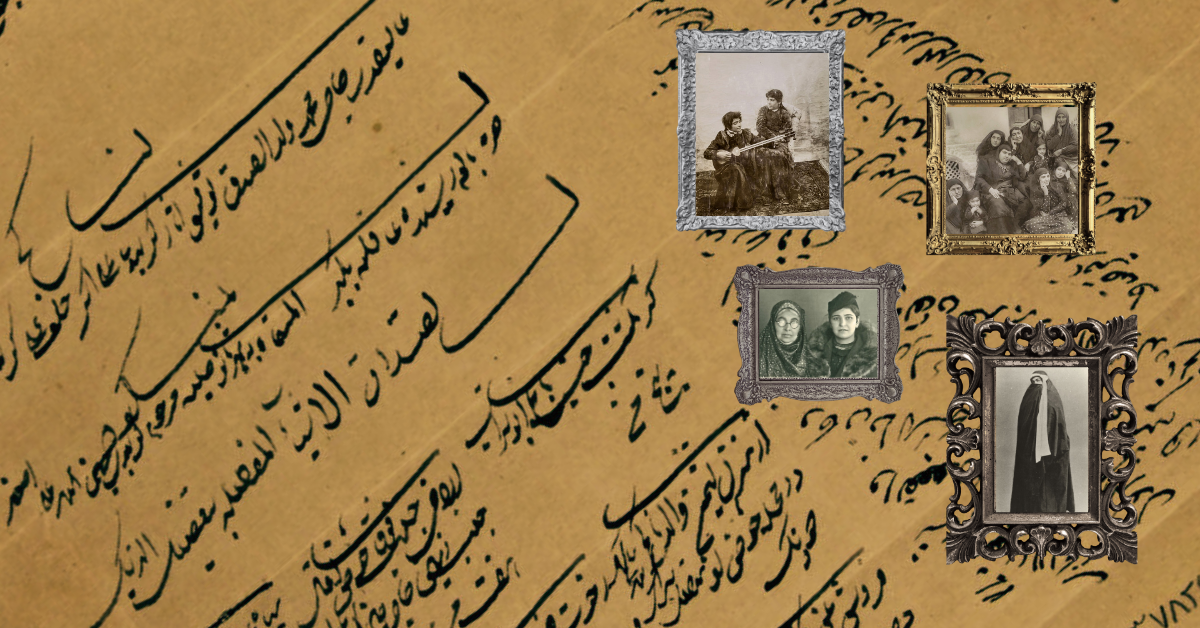
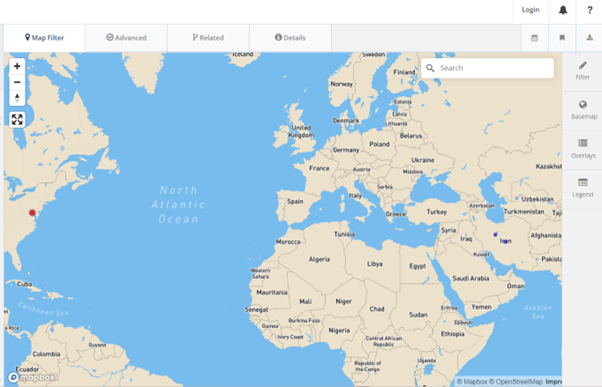
This is a post by Zhaleh Nayebossadrian | Sapienza University of Rome Introduction: The Digital Turn in Persian Persian Studies,…
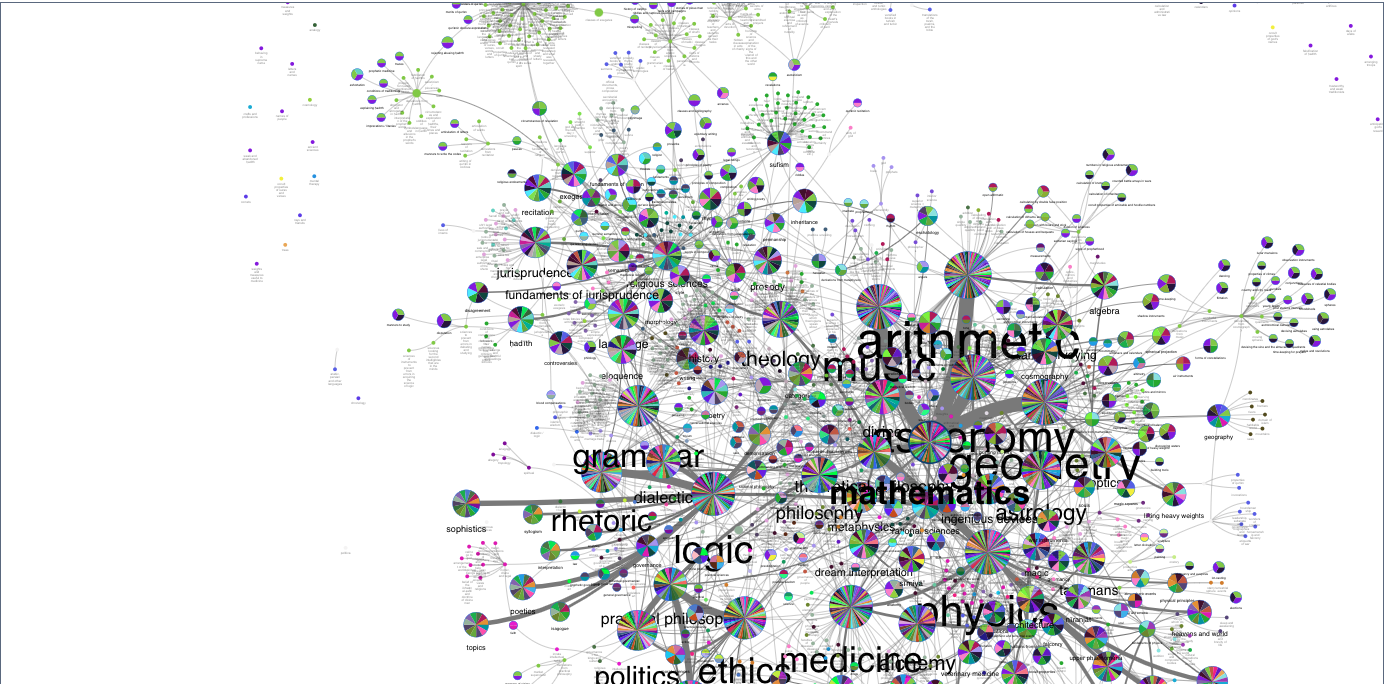
Introduction A fundamental question in the history of science from antiquity to the premodern era is how people organized knowledge,…
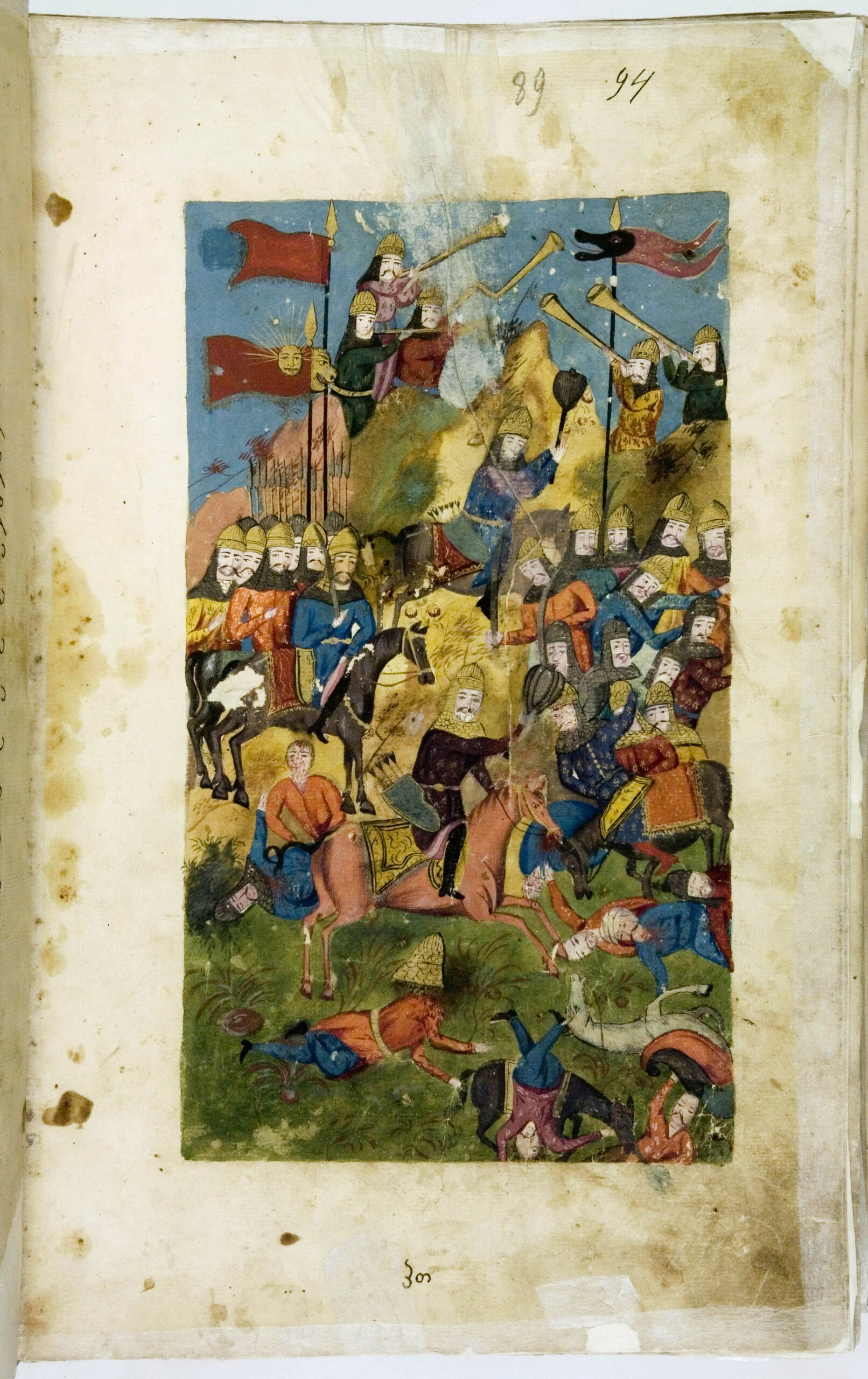
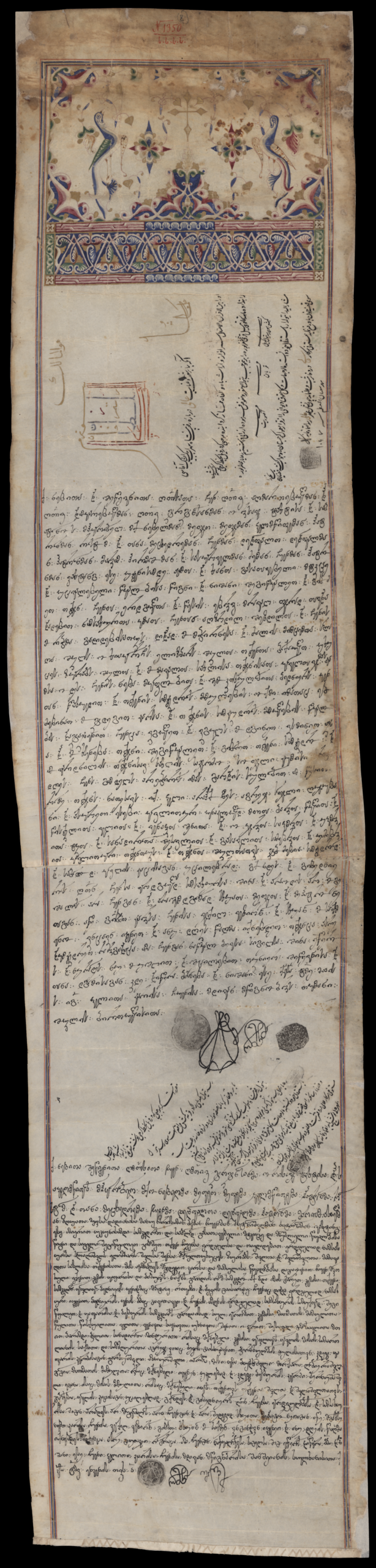
This is a post by Helen Giunashvili | George Tsereteli Institute of Oriental Studies/Ilia State University The Georgian manuscript tradition and book…
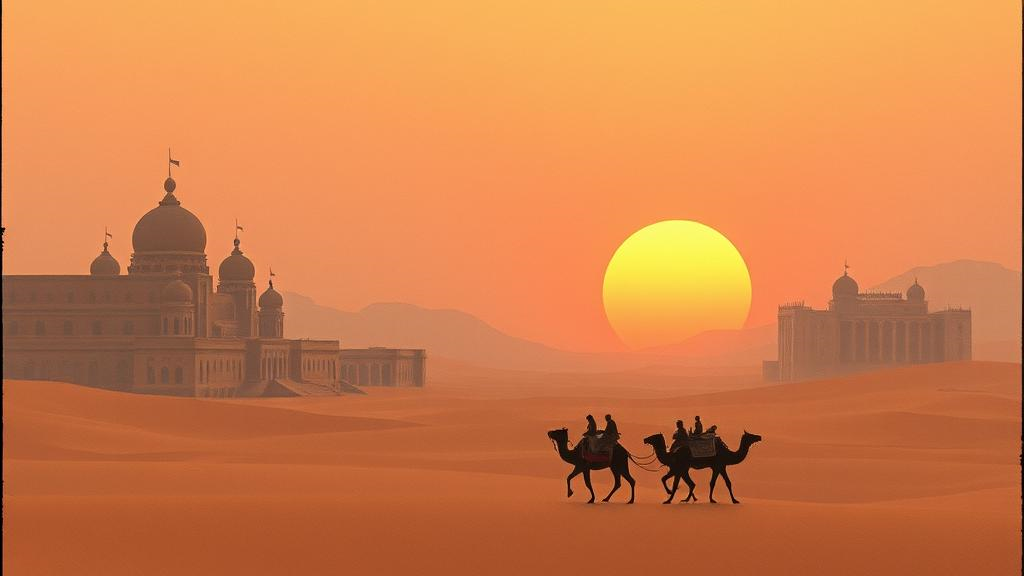
This is part two of a three-part series on the biases about Hellenistic Central Asia in generative artificial intelligence (AI) datasets. Since ChatGPT’s surge of popularity in November 2022, some theorize that generative AI tools could be the answer to uncovering how ancient music could have actually sounded.
Since September 2024, I have been the editor of the new section of The Digital Orientalist on Persian, Turkic, and…
This is a guest post by Helen Giunashvili | George Tsereteli Institute of Oriental Studies/Ilia State University Introduction In the…
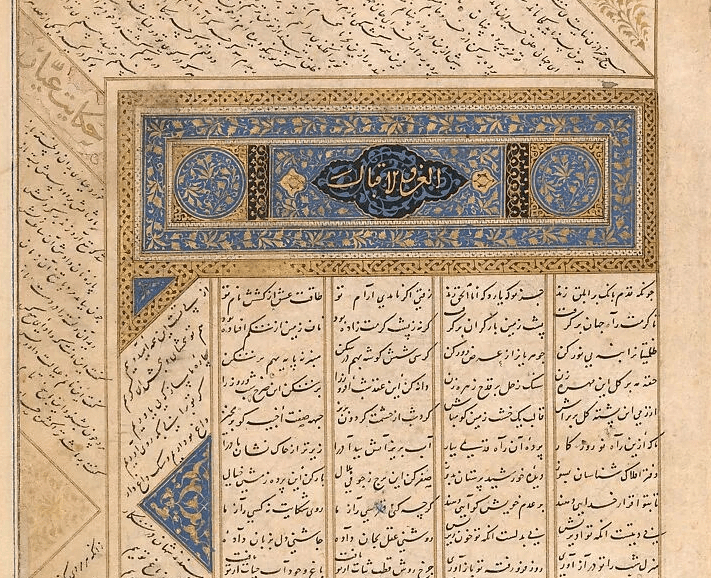
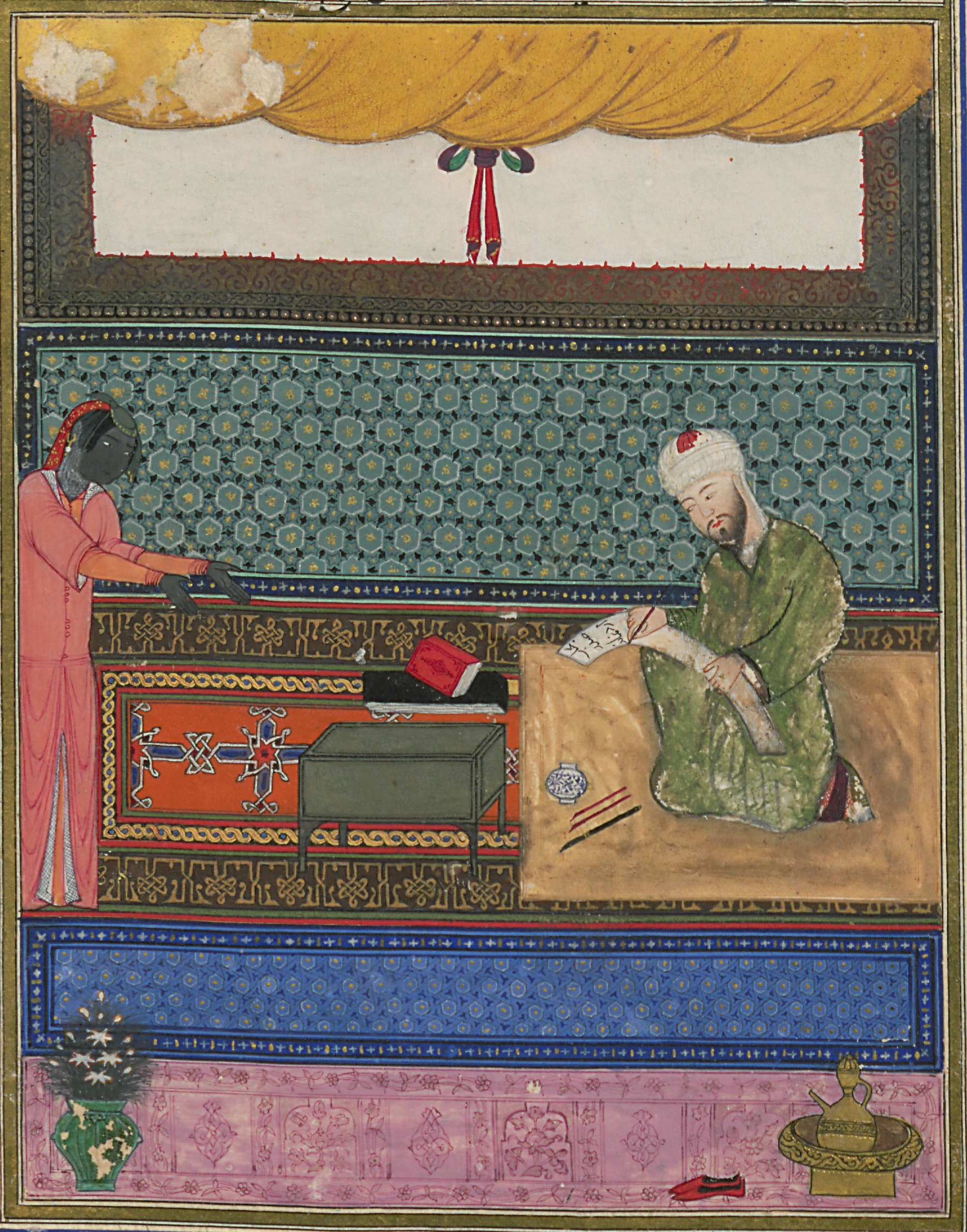
Introduction Known for his speed of transcribing, Maʿrūf Baghdādī was one of the most prominent calligraphers of 14th– and 15th-century…
The rise of digital humanities has revolutionized scholarly pursuits, particularly in literature, where the accessibility of digital images of manuscripts…
Museums and collections of Islamic art around the world have dedicated a substantial part of their efforts and fundings to…