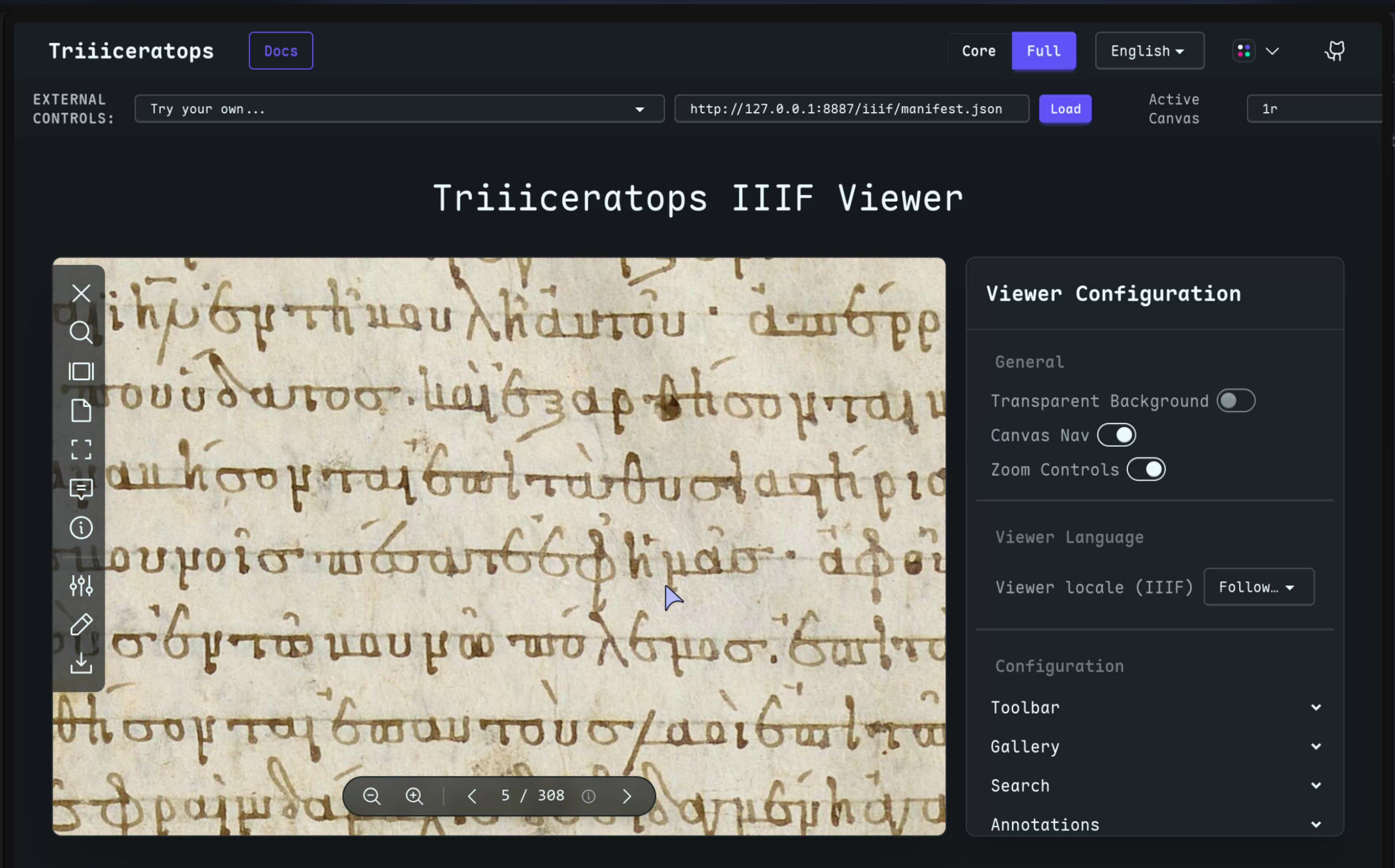
Running IIIF Locally: A Simple Setup Guide
Introduction Many of the fields of study here on The Digital Orientalist rely heavily on images hosted online. In textual…
Introduction Many of the fields of study here on The Digital Orientalist rely heavily on images hosted online. In textual…
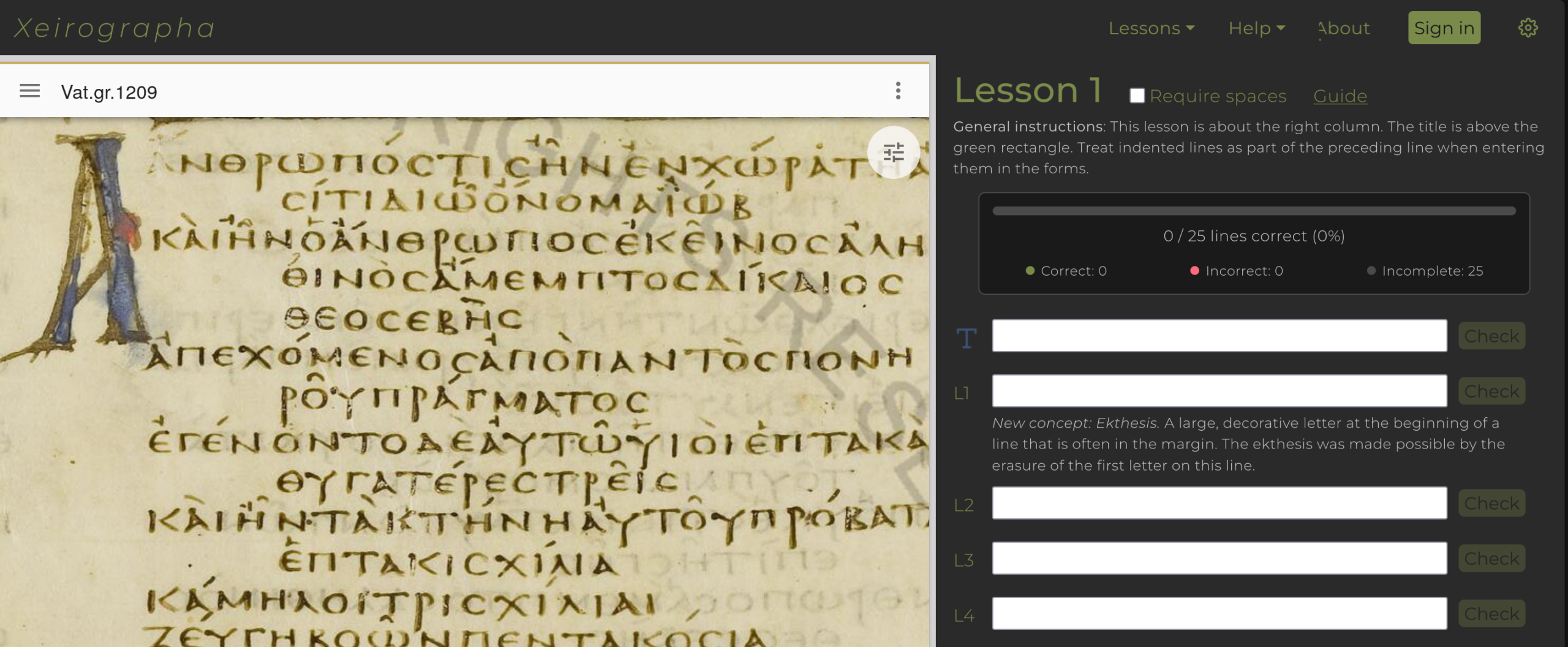
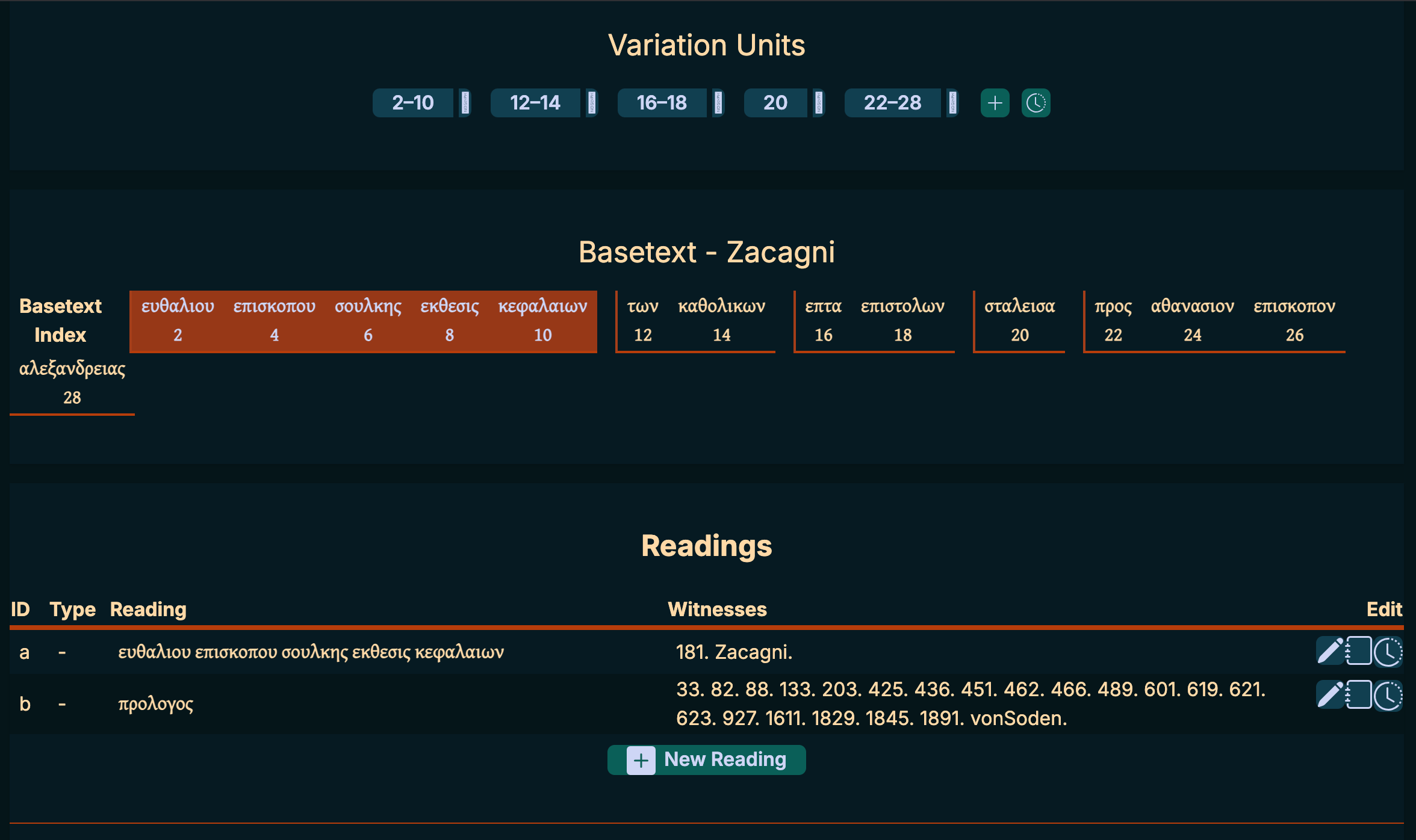
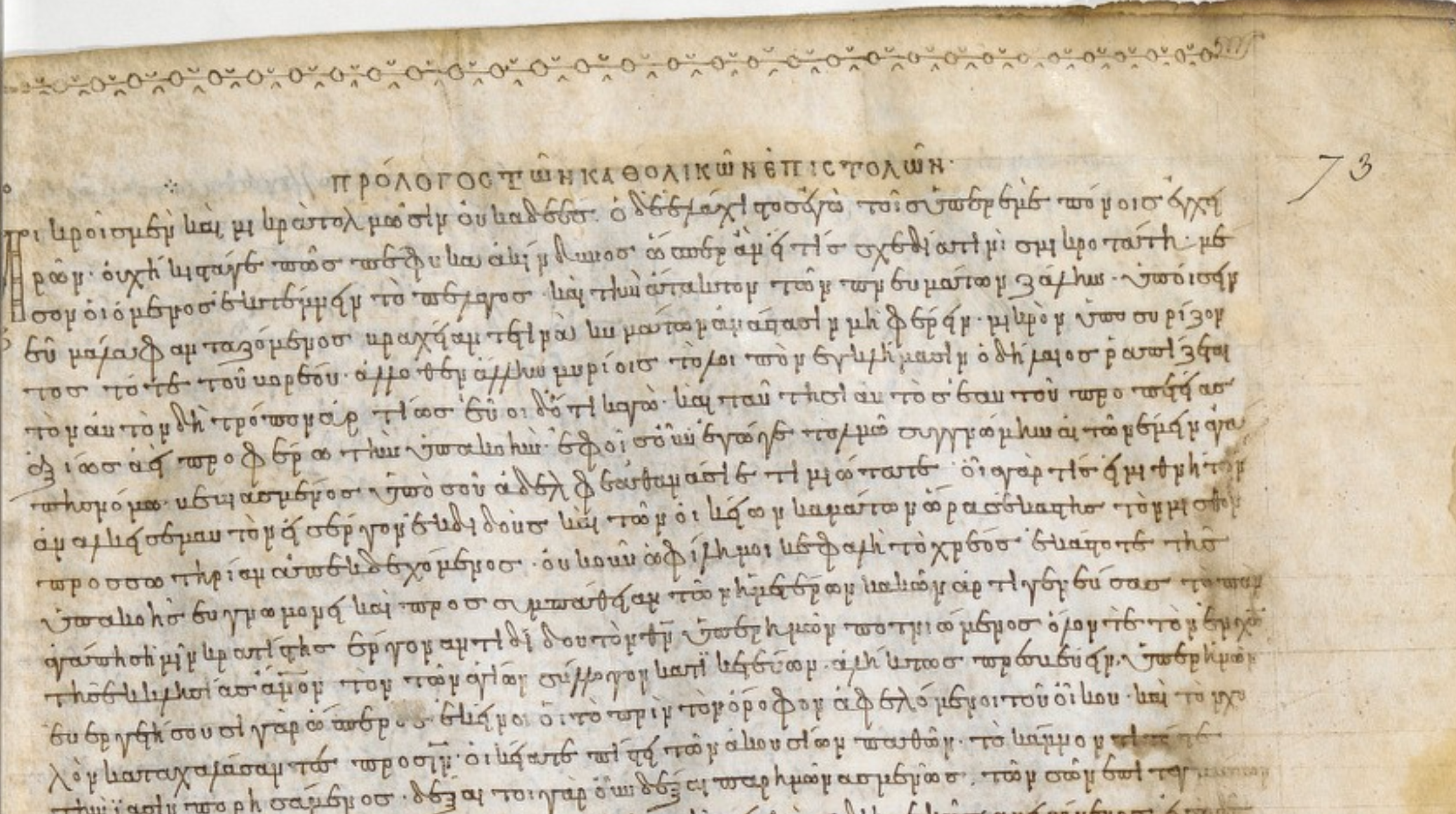
Introduction The jump from reading the text of the Greek New Testament in a printed edition to reading the same…
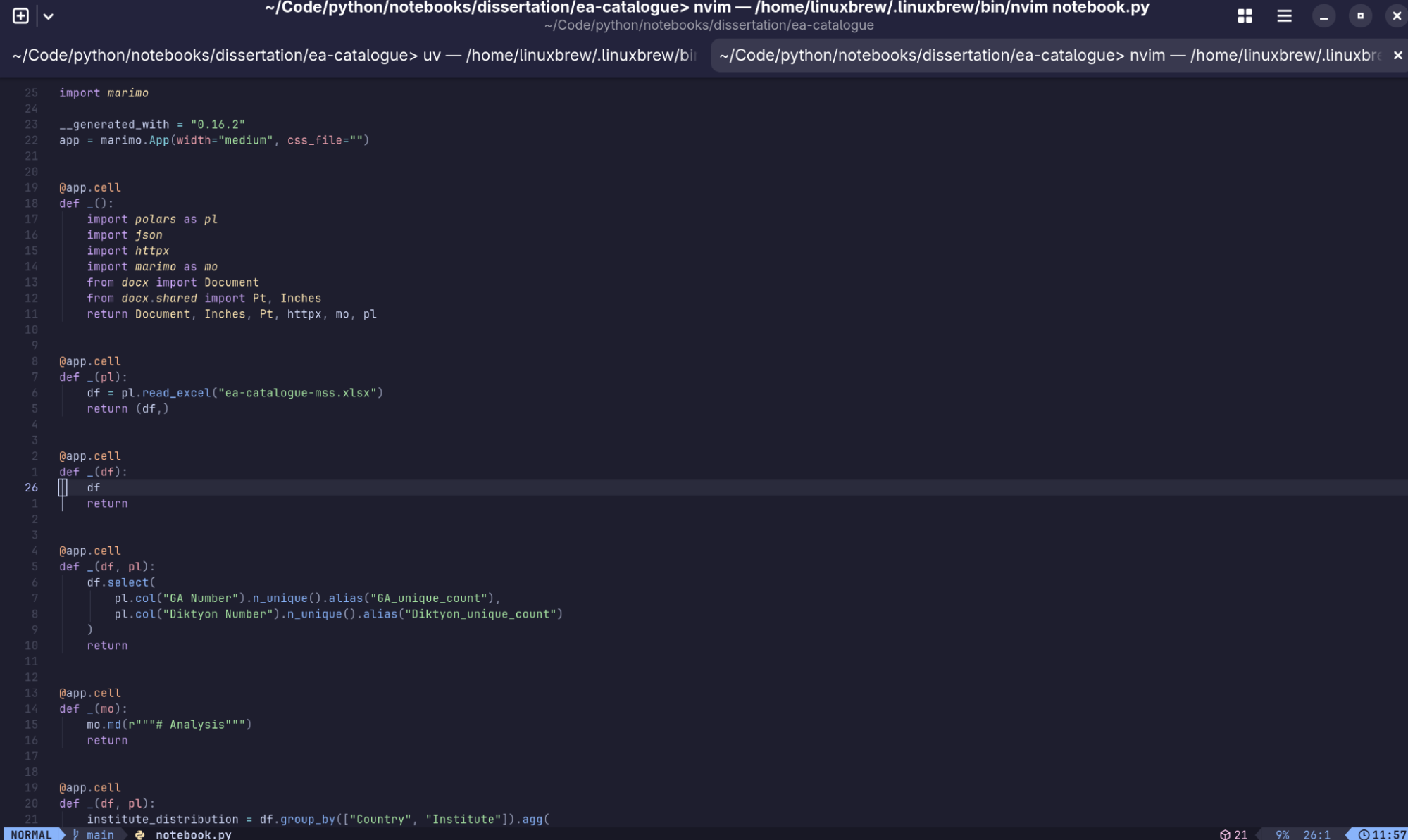
In a previous post, I have highlighted the usefulness of notebooks for writing Python code. I mentioned tools like Jupyter…
Building on the conversations initiated under the Future of the Commons (overviews of which can be found here and here),…
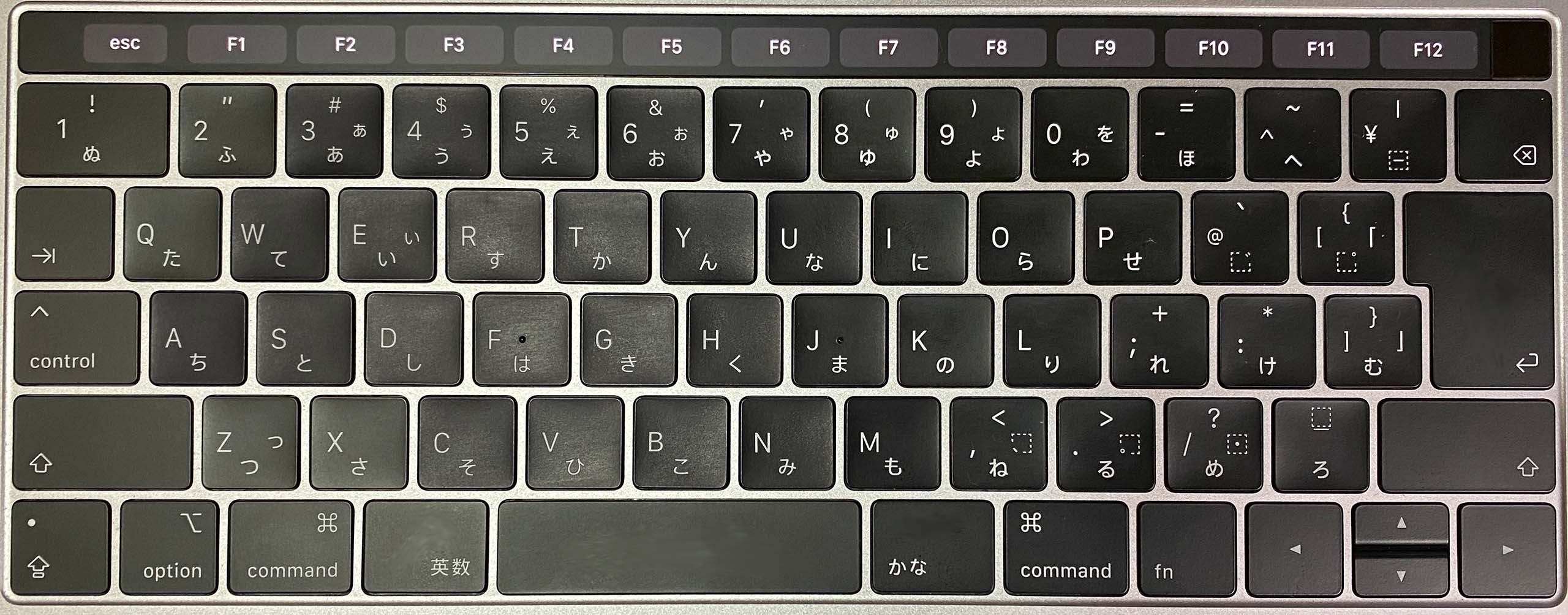
Those of us who use languages written in the Latin alphabet likely don’t think much about how we input text.…
This is part two of a three-part series on the biases about Hellenistic Central Asia in generative artificial intelligence (AI) datasets. Since ChatGPT’s surge of popularity in November 2022, some theorize that generative AI tools could be the answer to uncovering how ancient music could have actually sounded.
In my last post, I explored how to collate TEI XML transcriptions of Greek New Testament manuscripts, yielding a TEI…
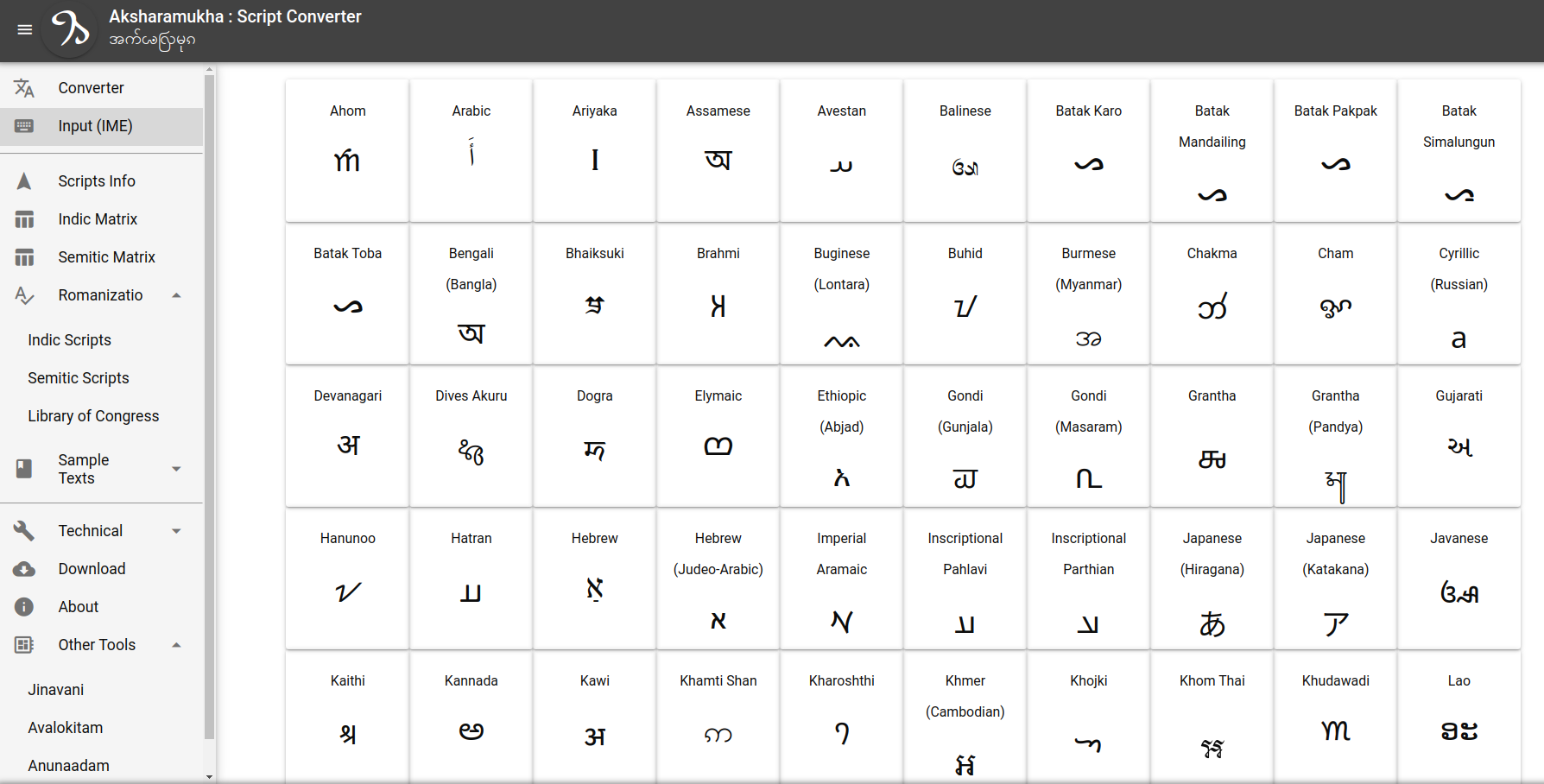
Aksharamukha, a free and open-source transliteration tool supporting 121 scripts and 21 romanization methods, enhances access to multilingual texts and facilitates cross-cultural communication.
Introduction In my last post, I explored tools in a software package called Criticus that helps move from transcription to…
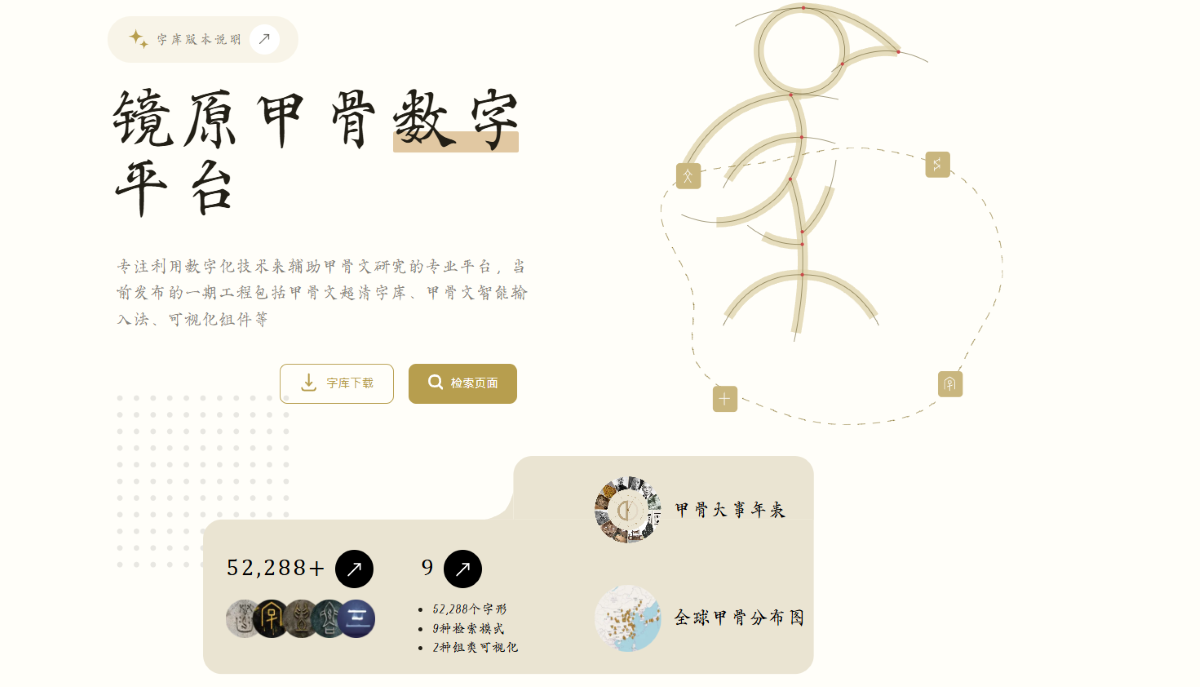
This is a guest post by Peichao Qin | University of Cambridge. Tired of struggling to find and type out complex oracle…