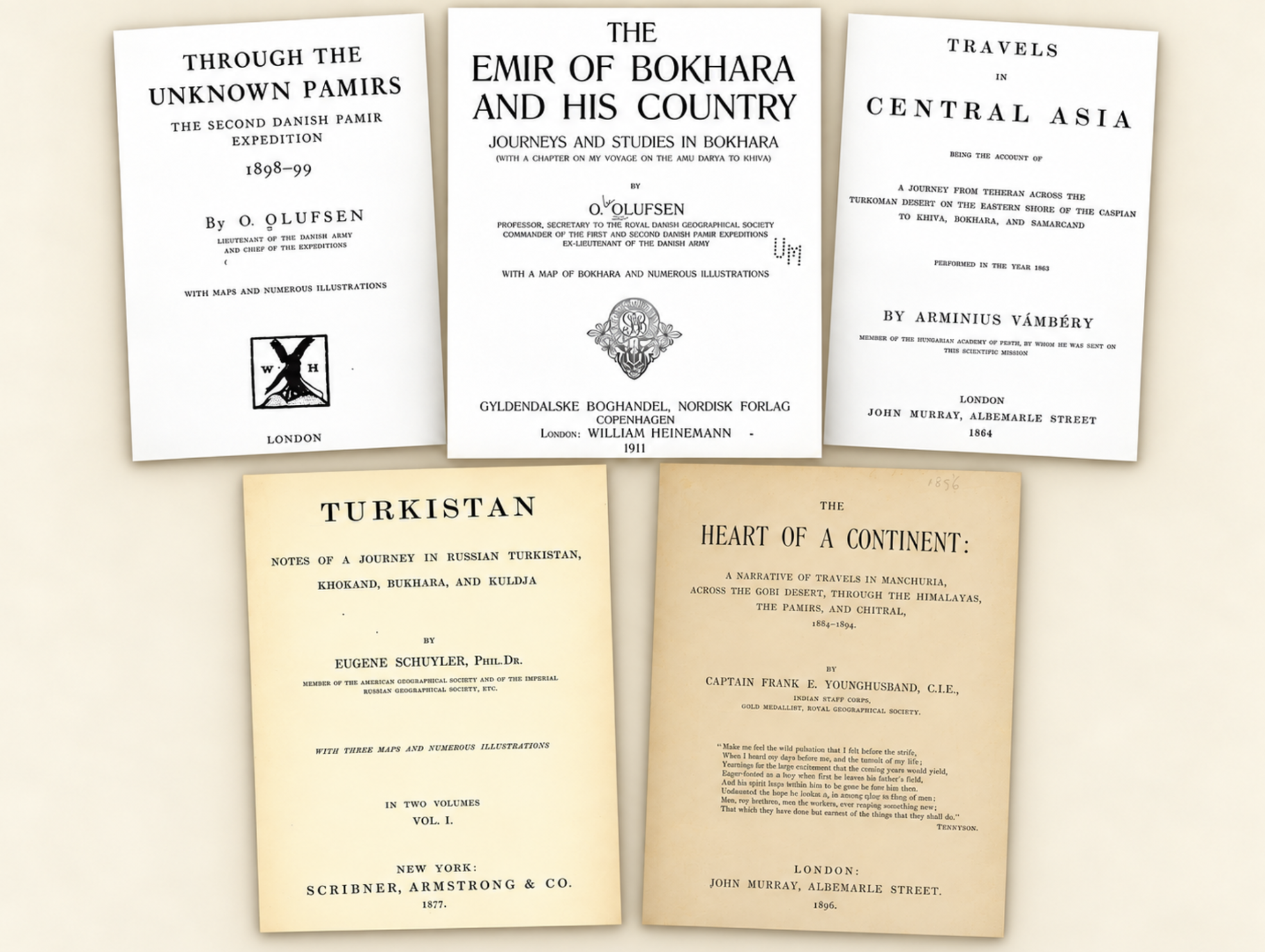
From Scanned Travel Books to a Page-Aware Corpus: Testing Microsoft Foundry for Historical Research on Central Asia
This is a guest piece by Aizat Ishembieva. This post describes how structured text extraction and the creation of a…
This is a guest piece by Aizat Ishembieva. This post describes how structured text extraction and the creation of a…
2025/6 was my first year as editor for Central Asian Studies at The DO, having previously been a contributing writer for…
Introduction This year’s pieces for Digital Humanities in General have covered various aspects of the practice and theory of Digital…
In recent months, I have come to identify as a neo-Luddite or, as a colleague said in jest, “a technophobe…
As artificial intelligence (AI) tools become ubiquitous in our society, AI functions are more accessible and visible. When you use…
Following on from Rachael Griffiths’s recent summary of digital resources for Central and South Asian studies, I’d like to dive…
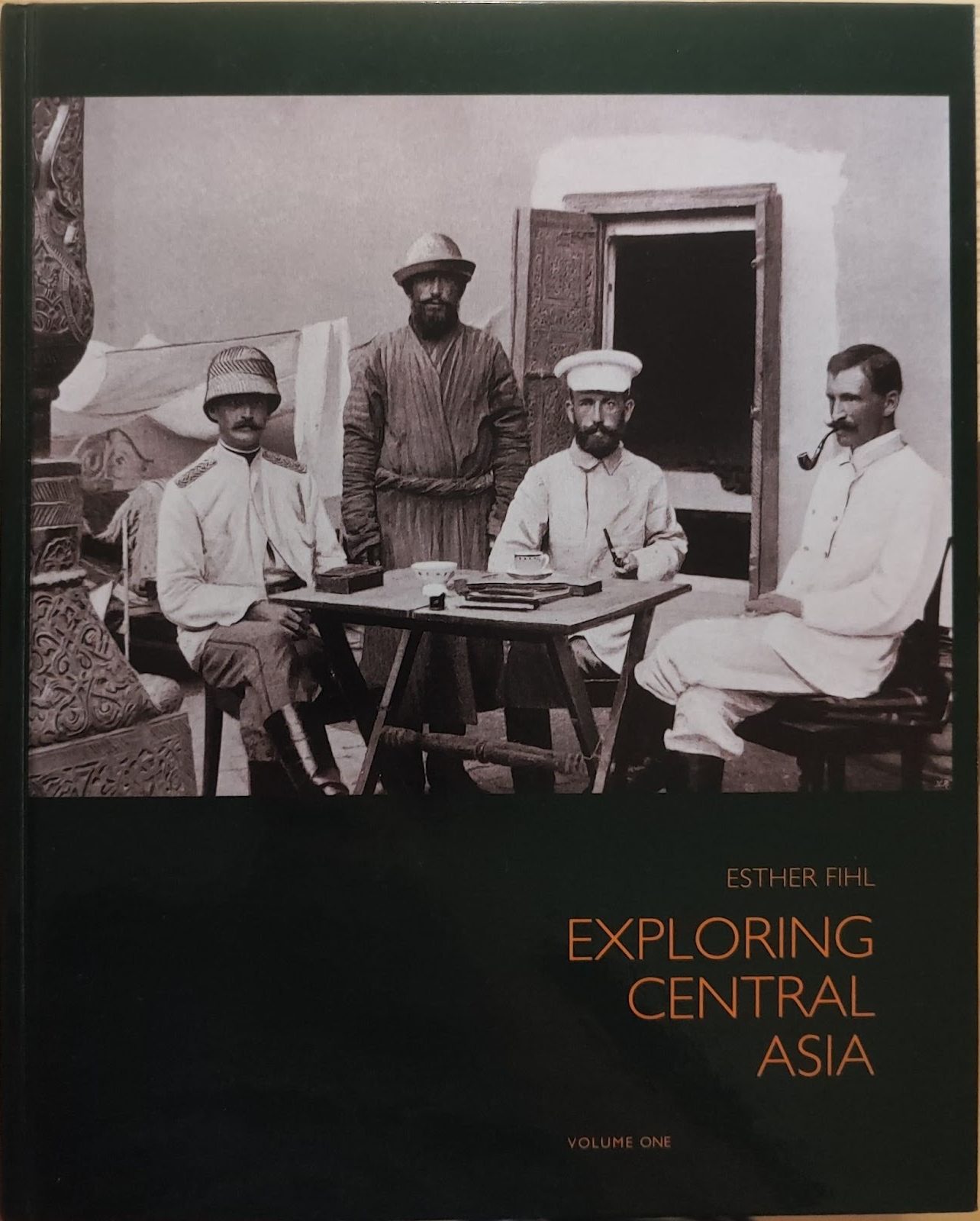
This is a guest post by Aizat Ishembieva. This second installment compares the work of Professor Esther Fihl and her…
This is a guest post by Aizat Ishembieva. The National Museum of Denmark houses one of the most significant 19th-century…
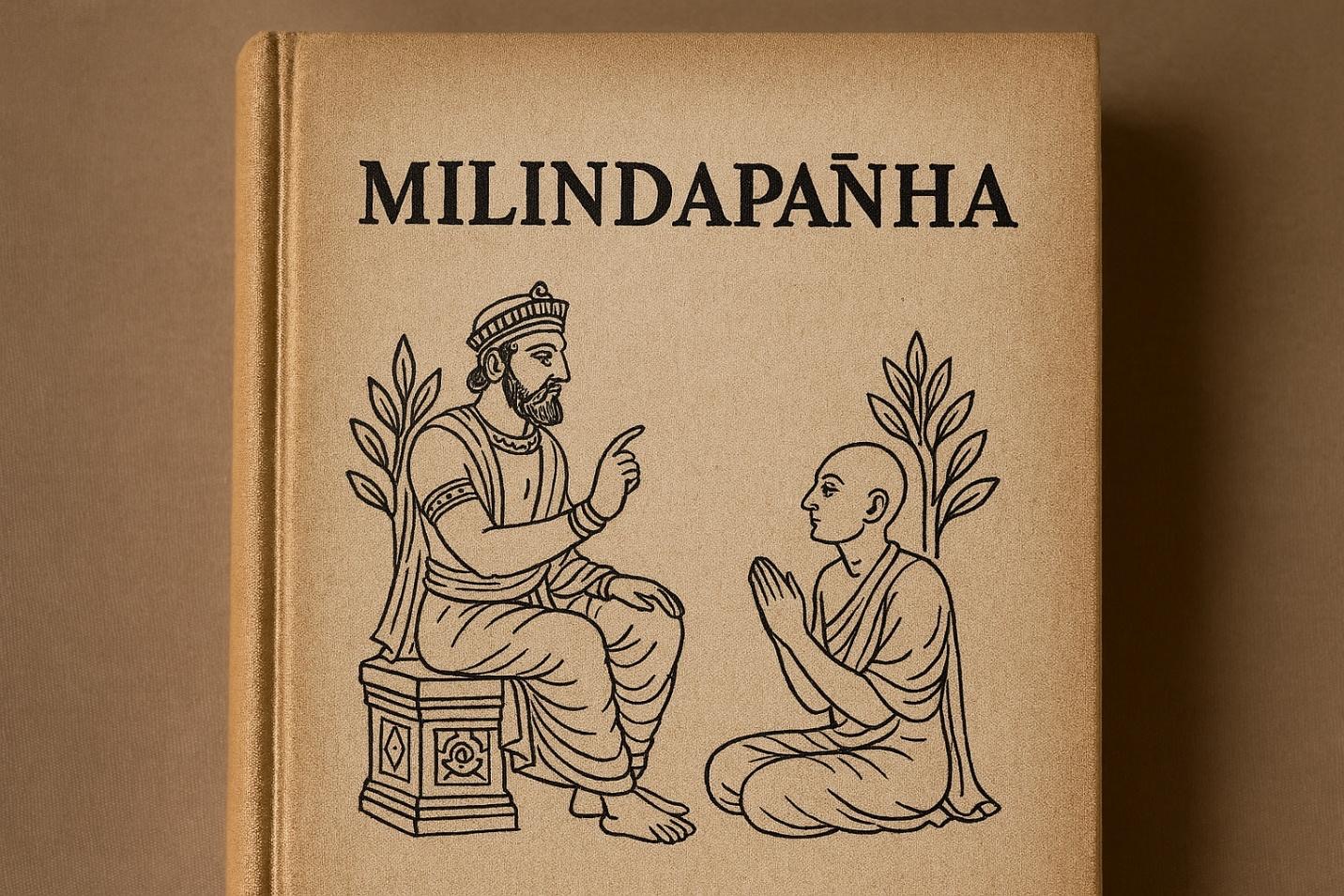
This is part three of a three-part series on the biases about Hellenistic Central Asia in generative artificial intelligence (AI) datasets. In this final part, I planned to discuss how Hellenistic Central Asia was biased in conversational AI models, such as ChatGPT 4o and Gemini 1.0, but newer “Deep Research” functions have since replaced and exponentially increased the capabilities of those legacy models.
It has been almost a year since my last Editor’s Digest and in that time there have been a few…