Editor’s Digest May 2026: Digital Humanities in General
Introduction This year’s pieces for Digital Humanities in General have covered various aspects of the practice and theory of Digital…
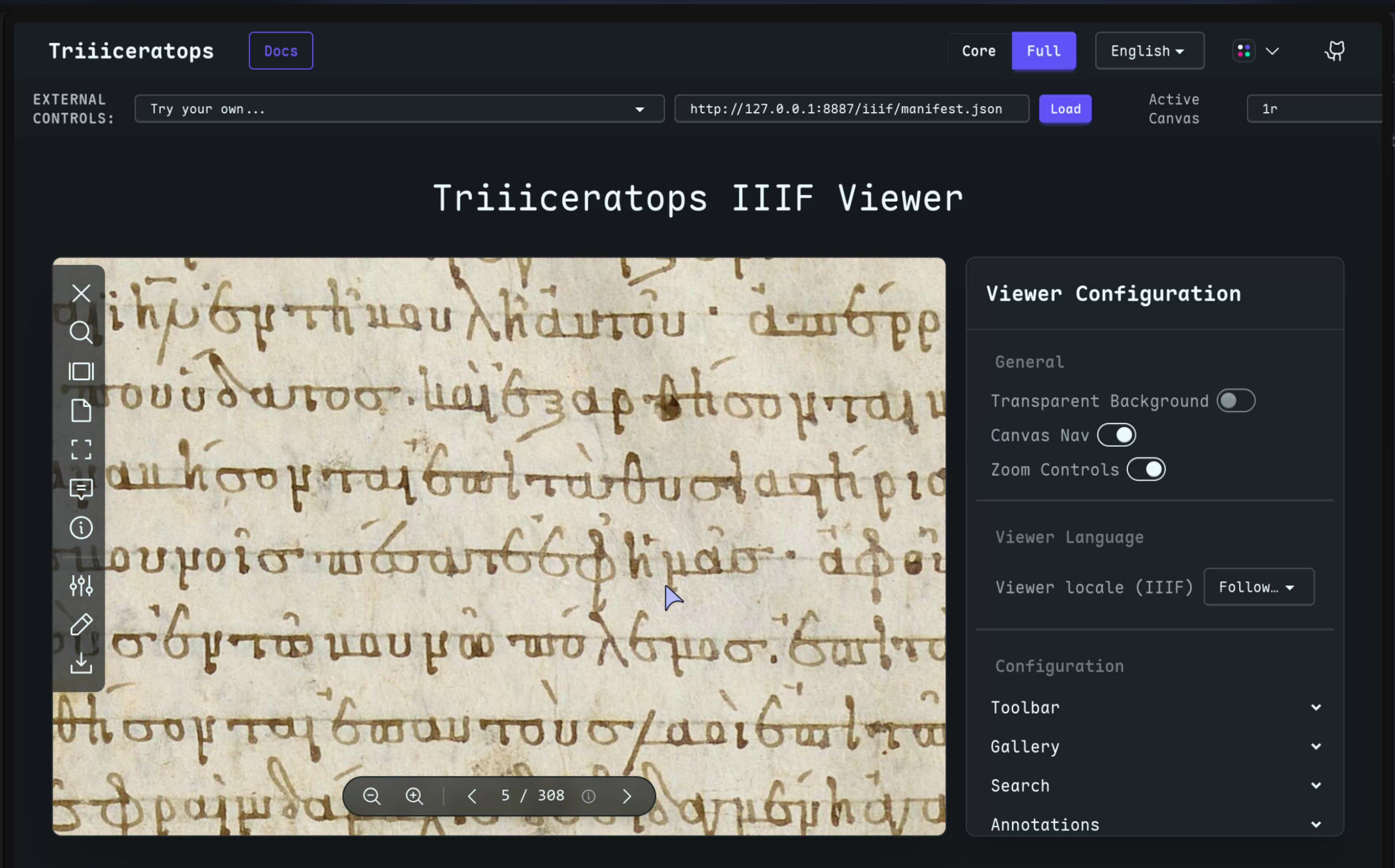
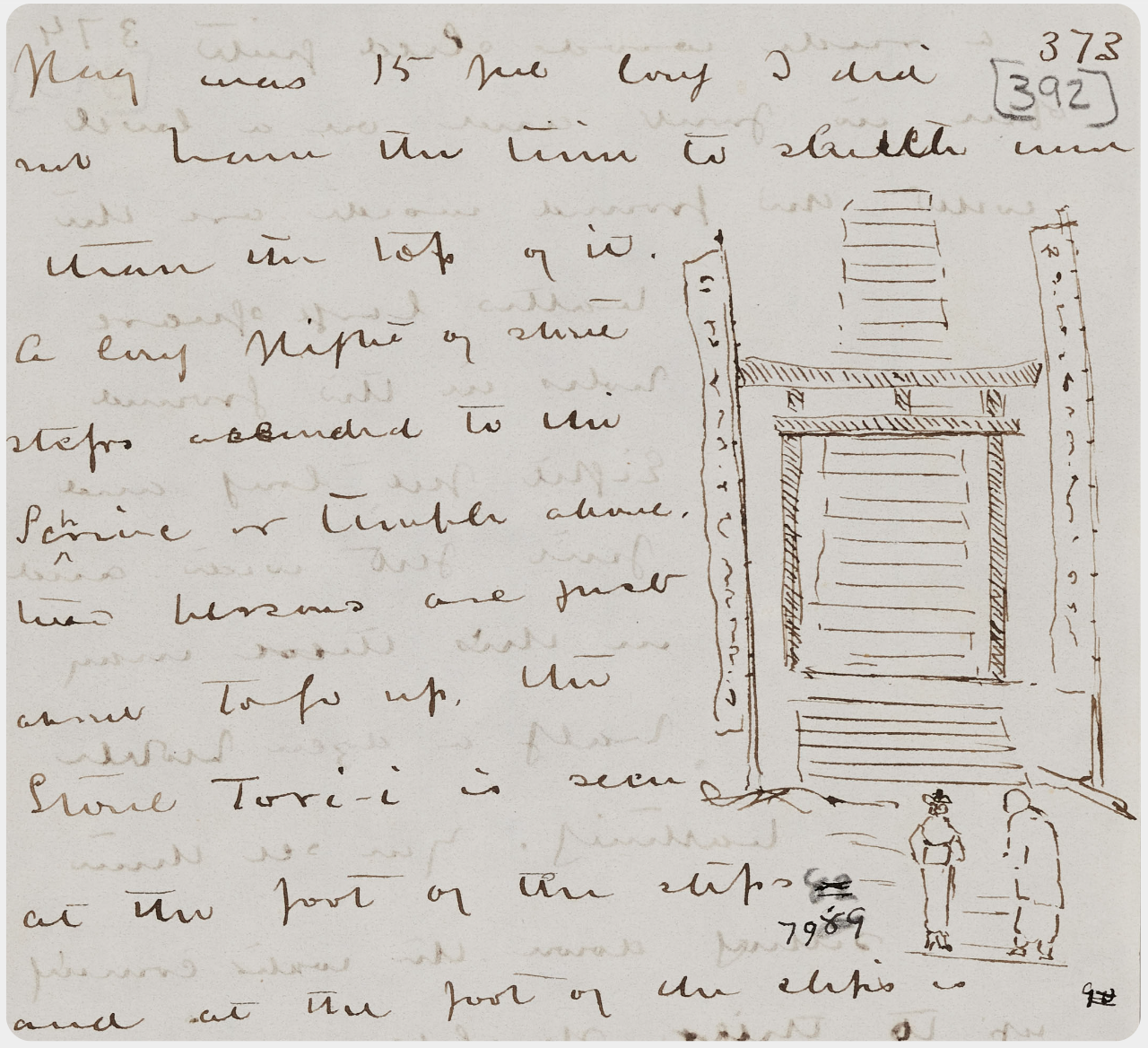
Introduction Many of the fields of study here on The Digital Orientalist rely heavily on images hosted online. In textual…
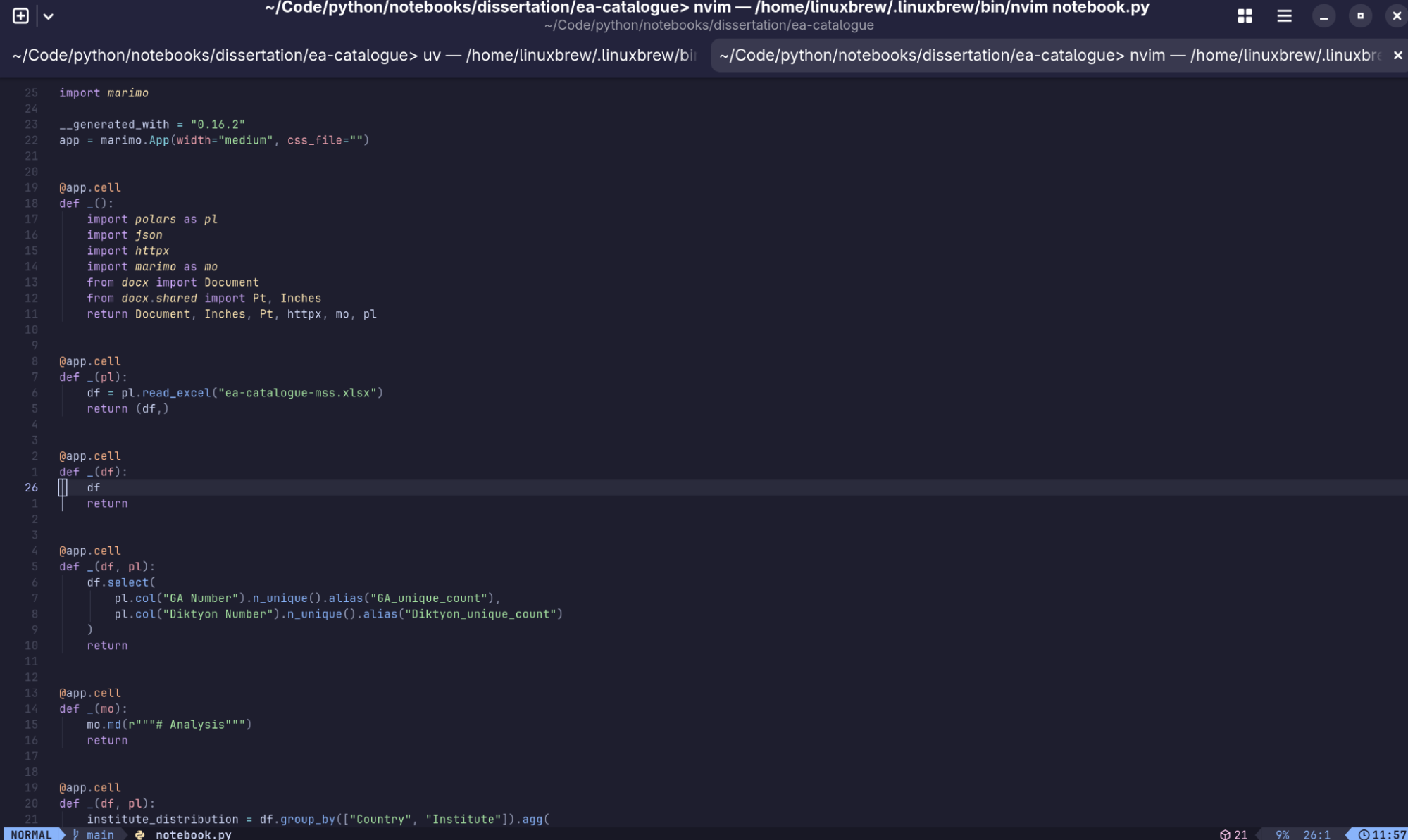
In a previous post, I have highlighted the usefulness of notebooks for writing Python code. I mentioned tools like Jupyter…
Building on the conversations initiated under the Future of the Commons (overviews of which can be found here and here),…
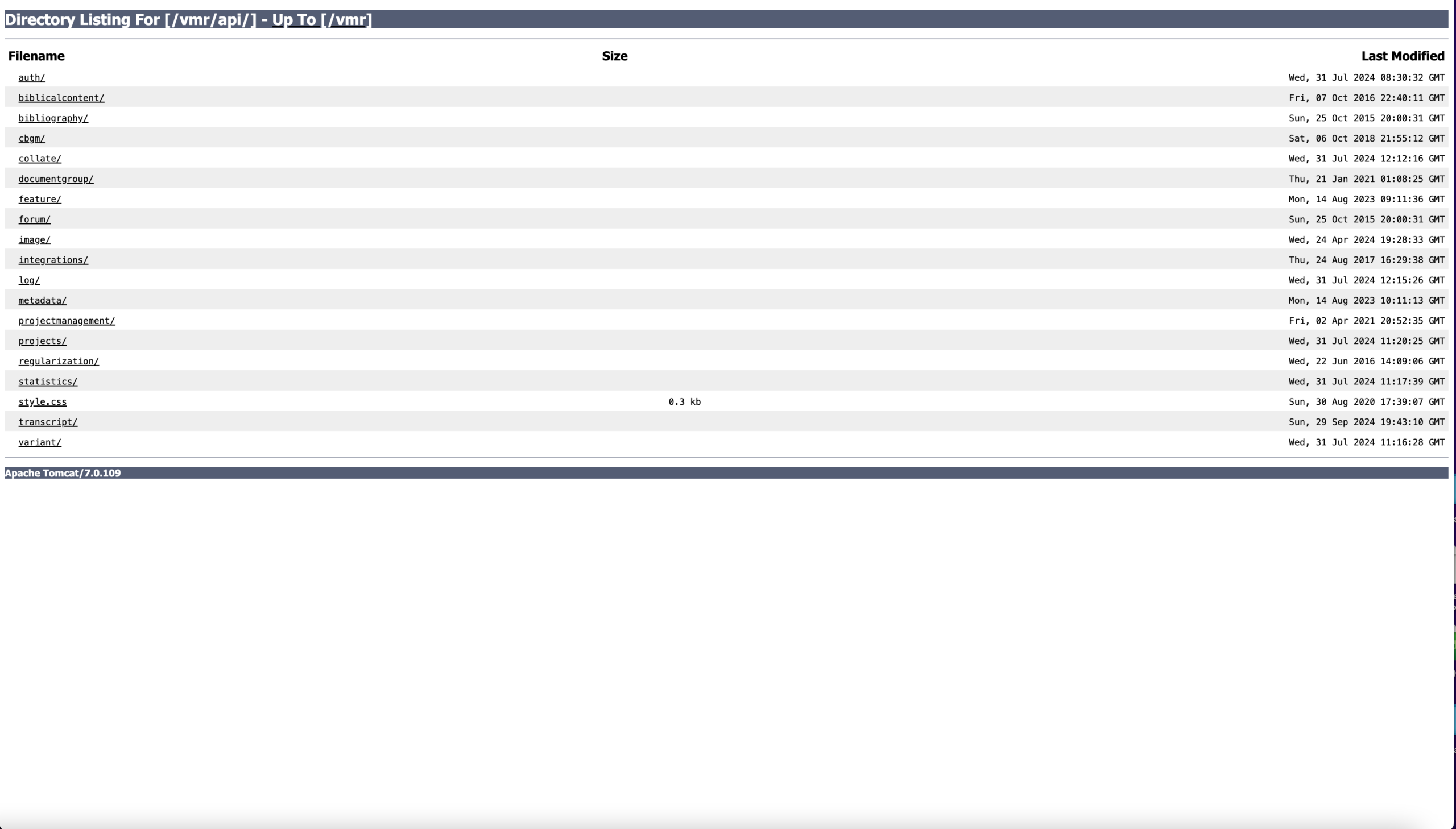
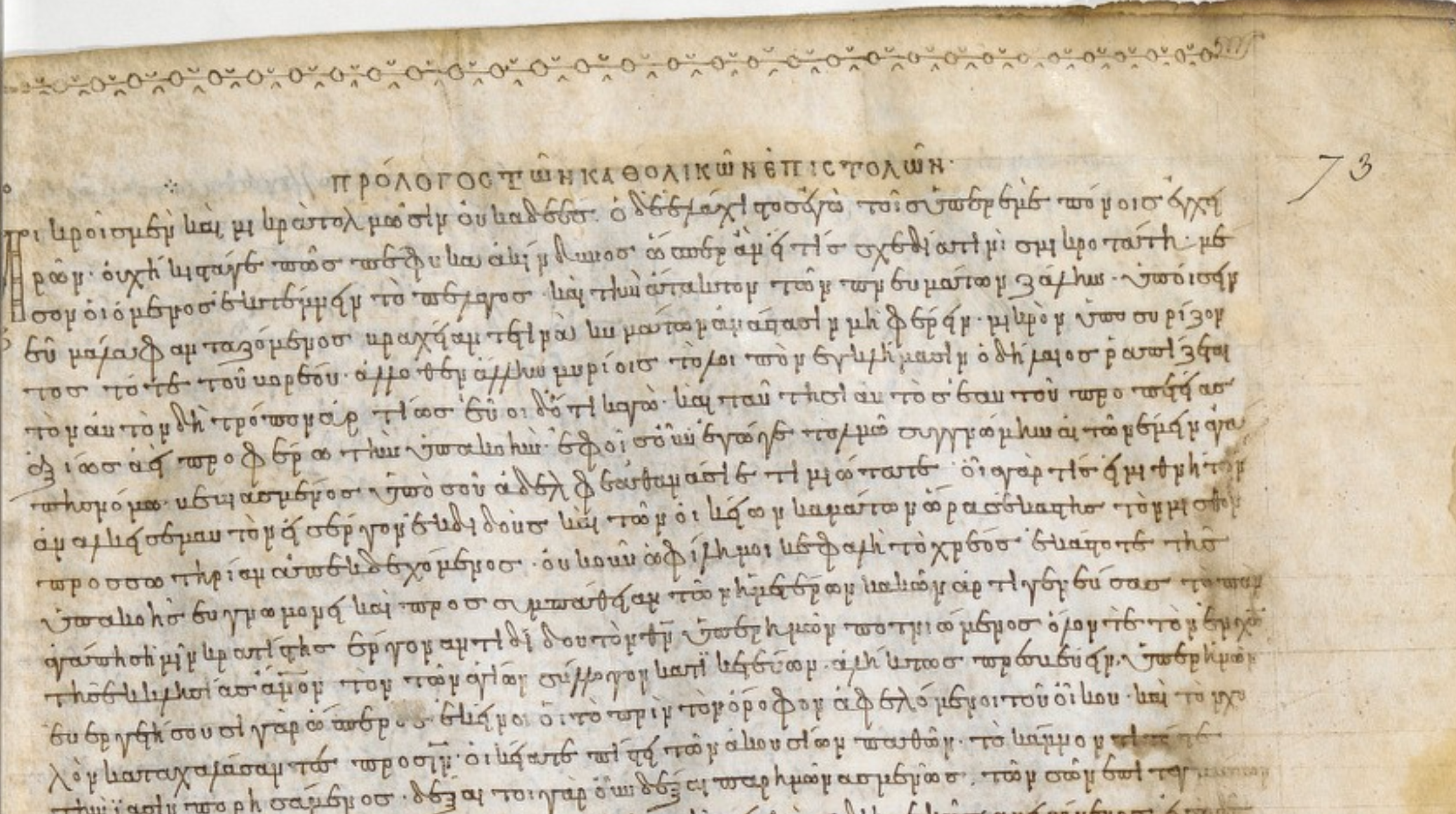
While not readily apparent, the New Testament Virtual Manuscript (NTVMR) room has an API that is publicly accessible. An API,…
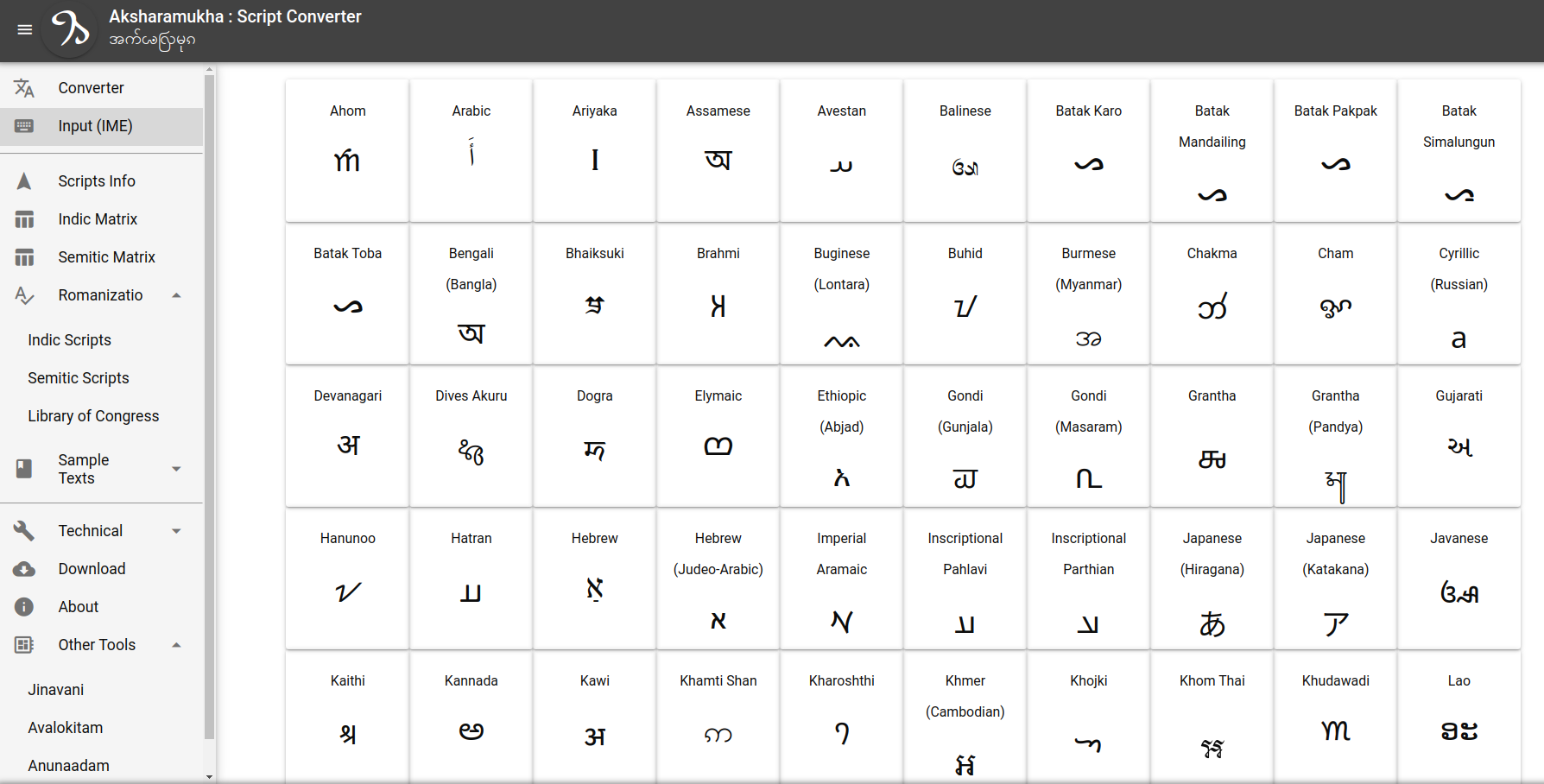
Aksharamukha, a free and open-source transliteration tool supporting 121 scripts and 21 romanization methods, enhances access to multilingual texts and facilitates cross-cultural communication.
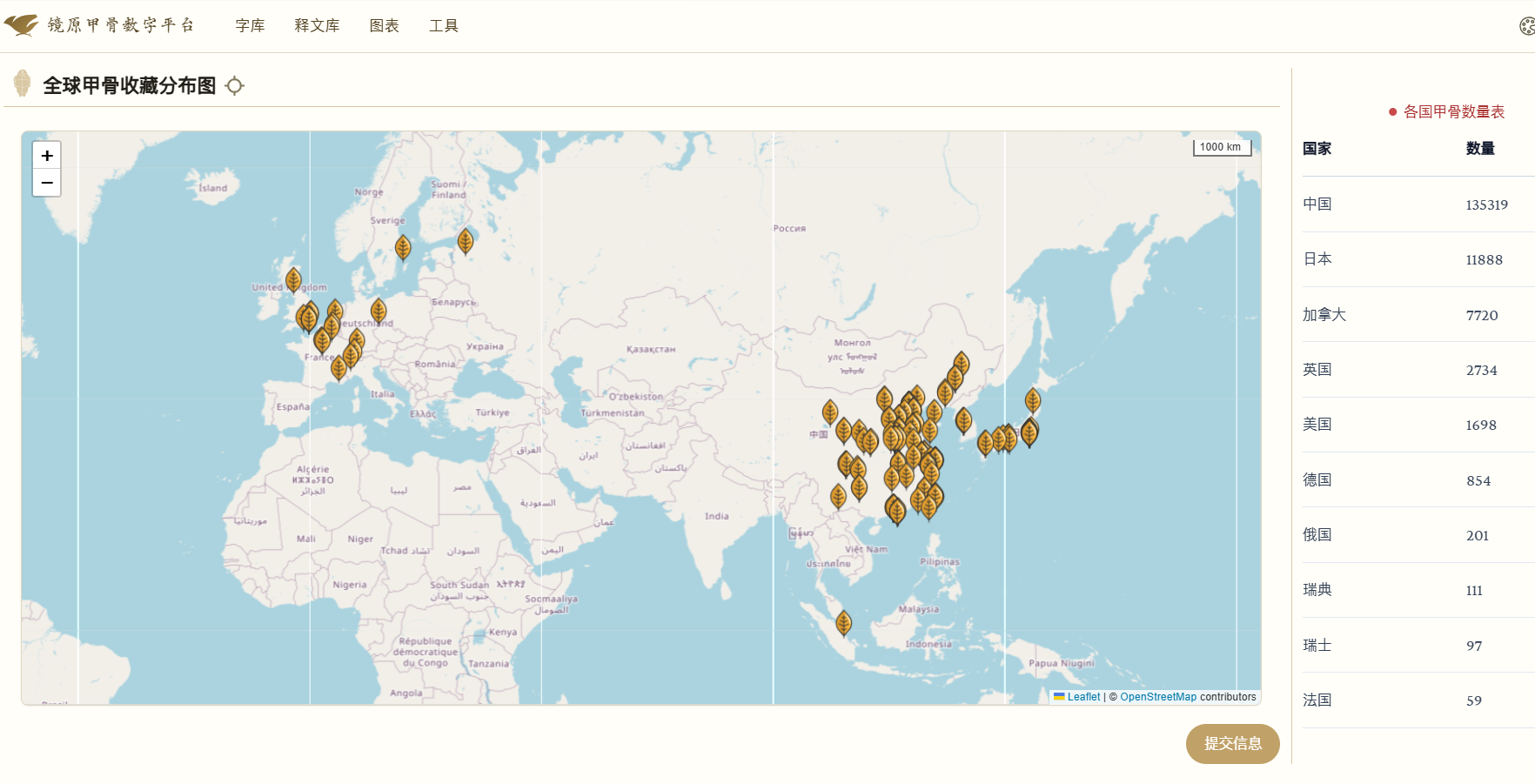
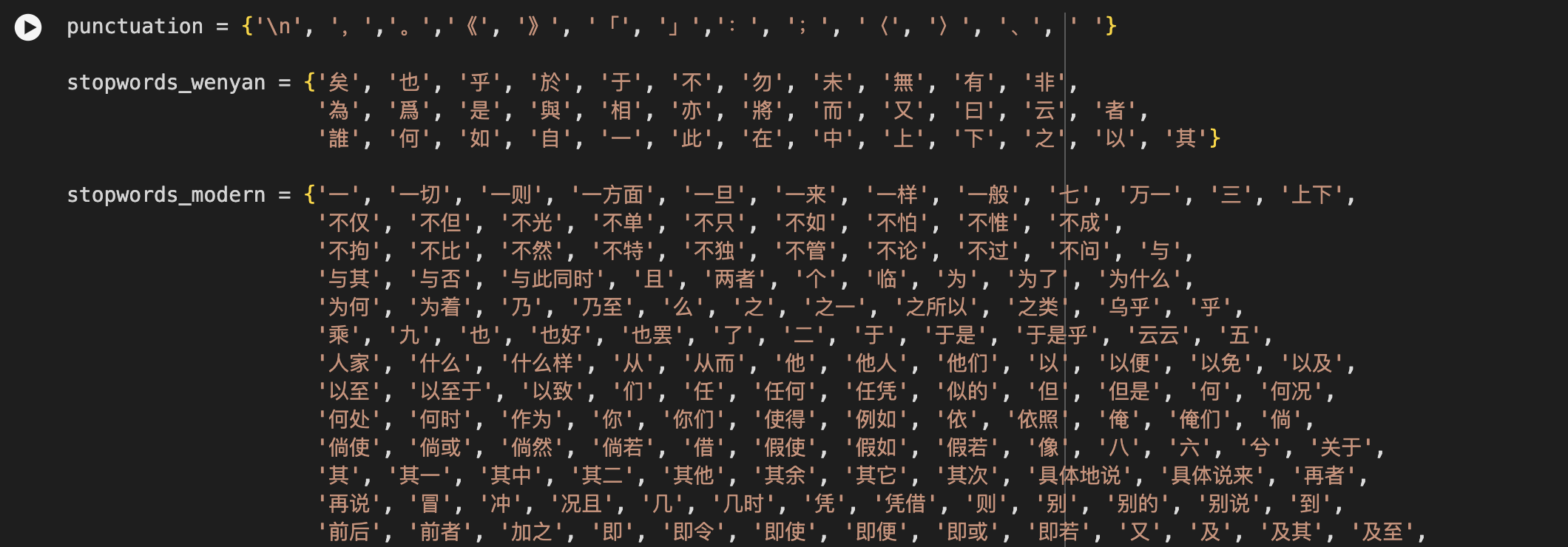
This is a guest post by Peichao Qin | University of Cambridge. In my earlier post, I introduced my newly launched “Jingyuan Digital…
TEI (text-encoding initiative) is a digital humanities method that enriches plain text transcriptions using .xml tags. It is most commonly…
Introduction In my last post, I explored tools in a software package called Criticus that helps move from transcription to…
This post was prepared together with Tilman Schalmey. Find here the tutorial files for this post. As digital technologies develop,…