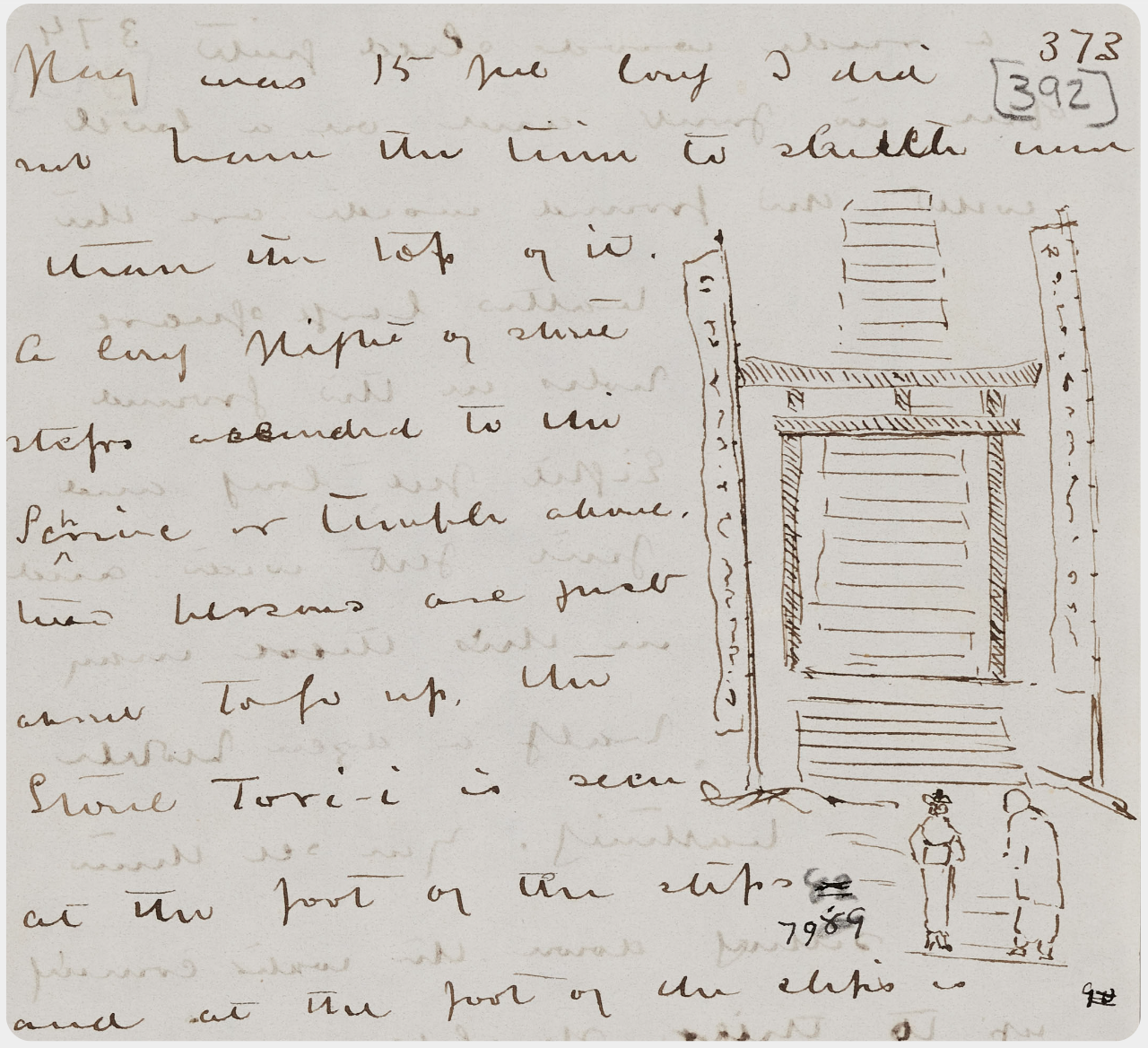
Using TEI to study Edward Sylvester Morse’s Japan Diaries in the Peabody Essex Museum Collection (Part 1)
TEI (text-encoding initiative) is a digital humanities method that enriches plain text transcriptions using .xml tags. It is most commonly…
TEI (text-encoding initiative) is a digital humanities method that enriches plain text transcriptions using .xml tags. It is most commonly…
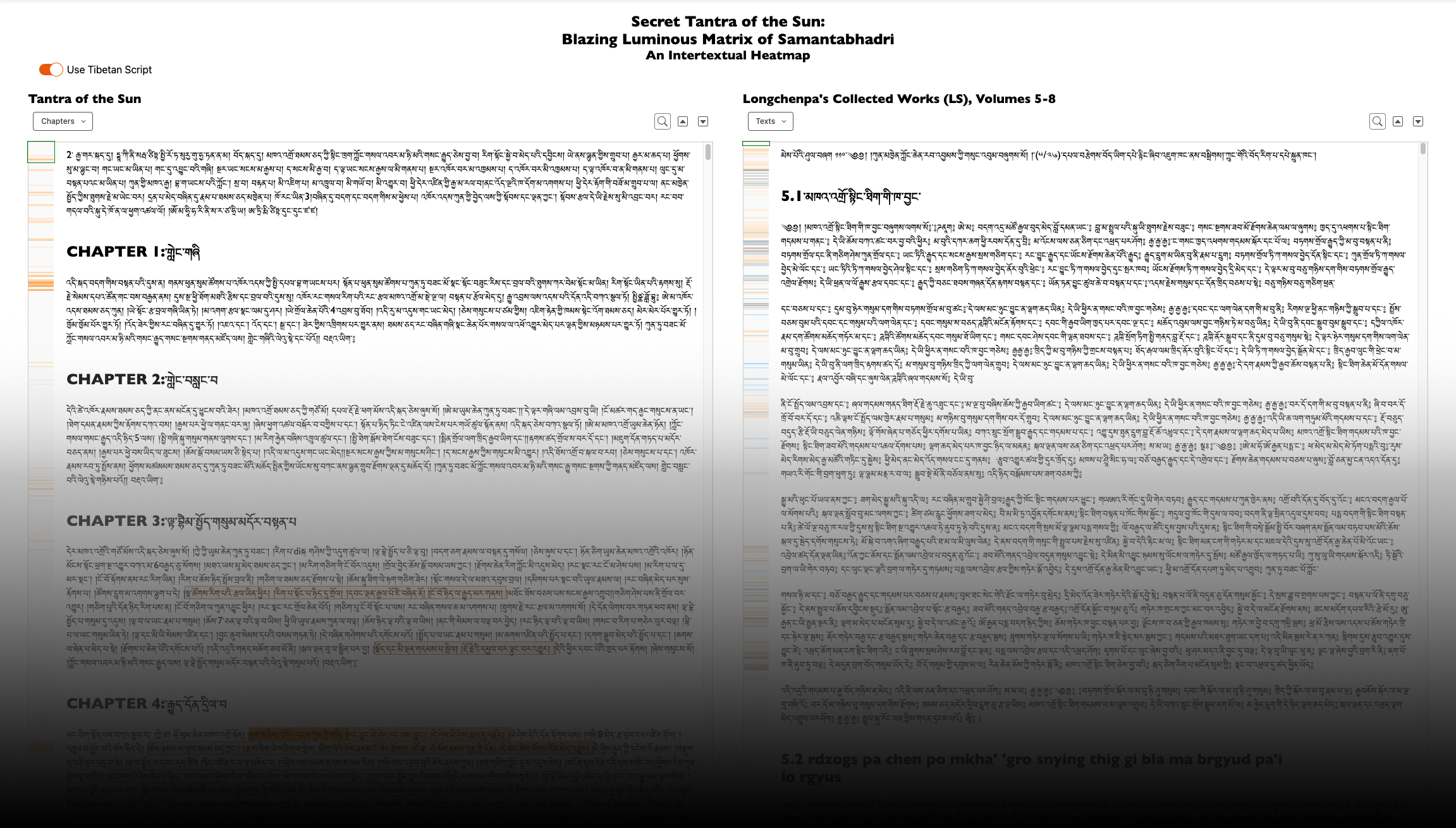
How do you map 14th-century Buddhist intertextuality? Stanford scholar Elaine Lai shares how she created a digital heatmap to visualize textual connections between the “Tantra of the Sun” and its commentaries, offering new insights into citation patterns and textual authority.
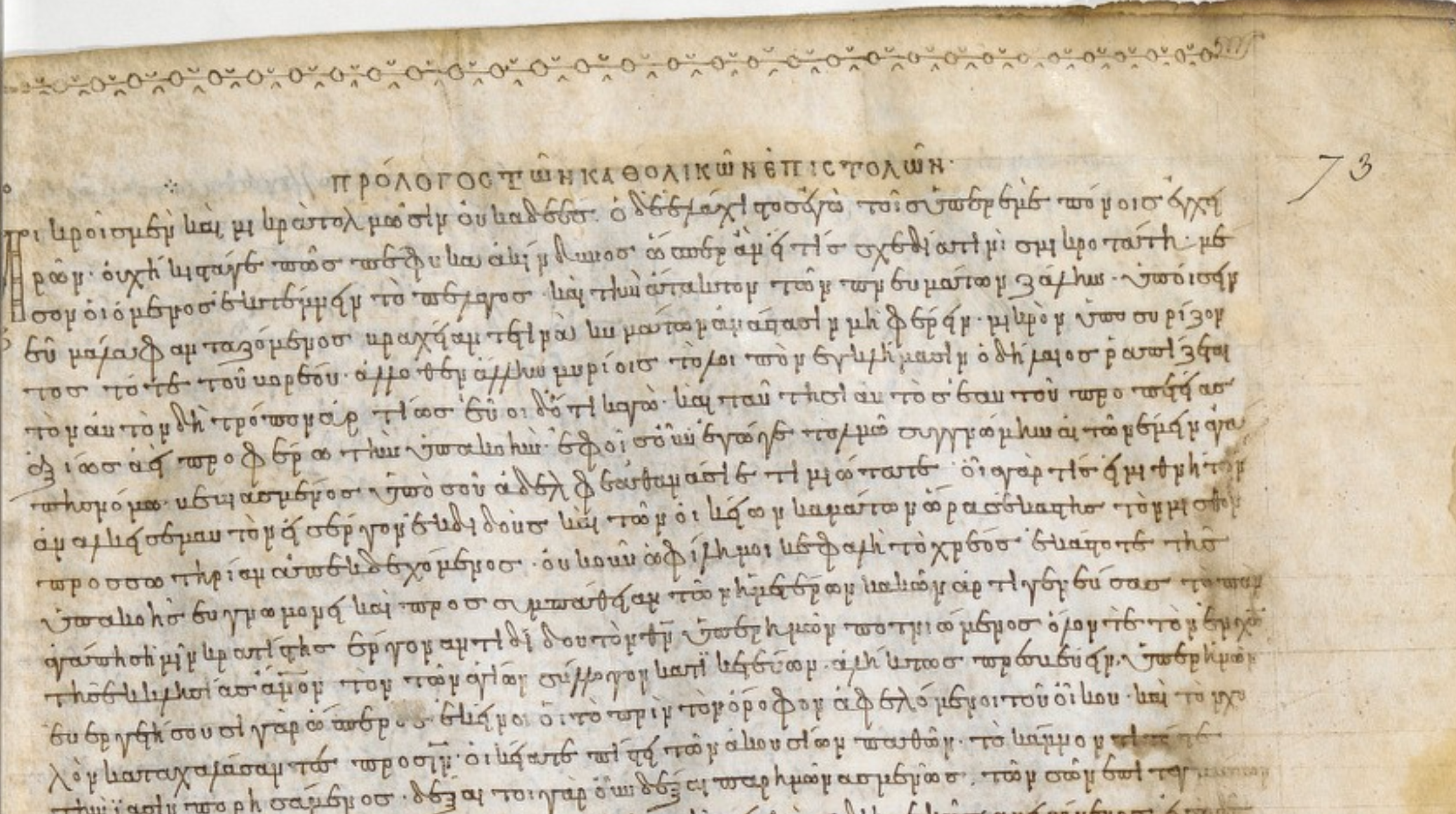
Introduction In my last post, I explored tools in a software package called Criticus that helps move from transcription to…
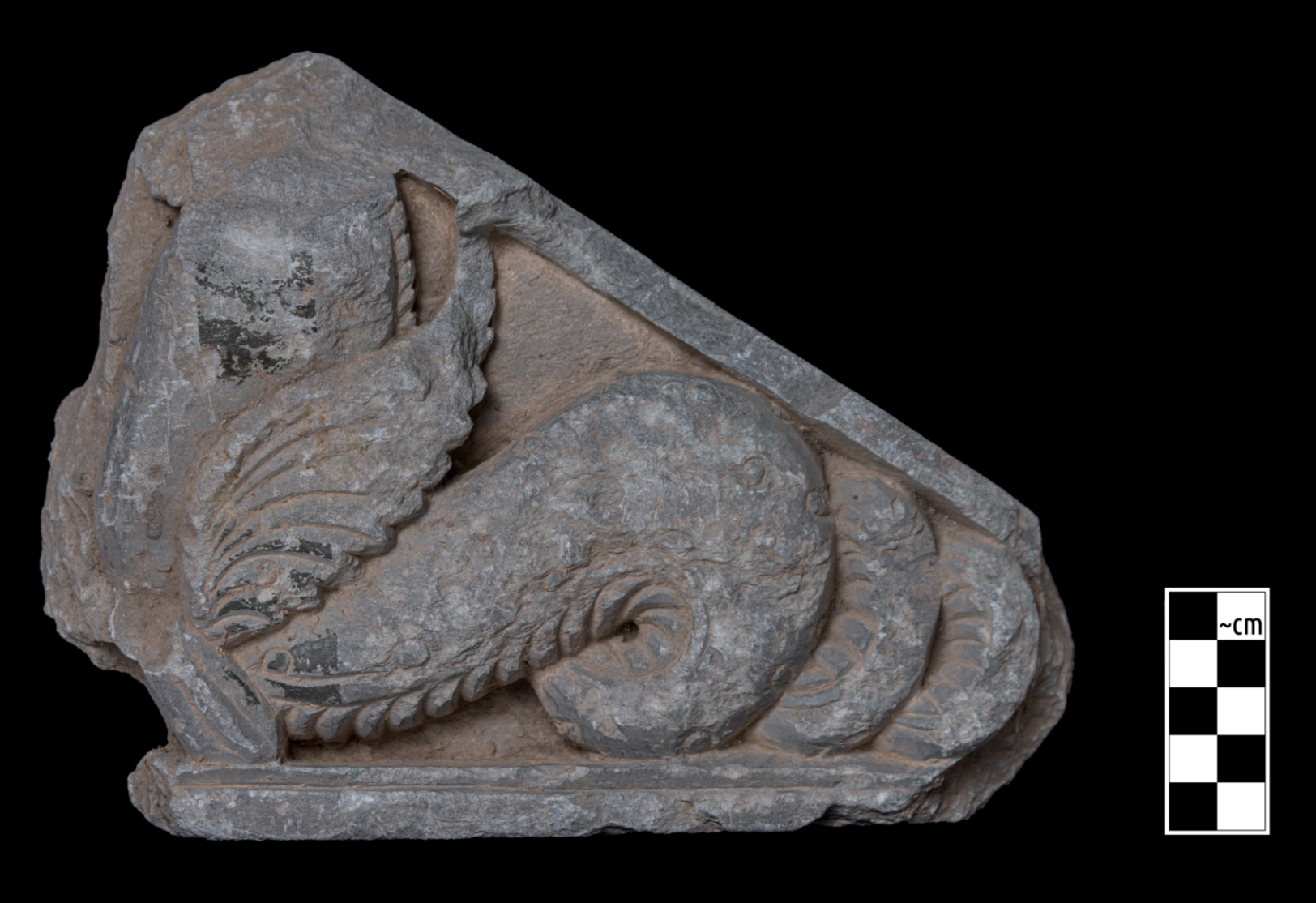
In the field of Buddhist art, recent years have seen more and more digitization projects that center around the art…
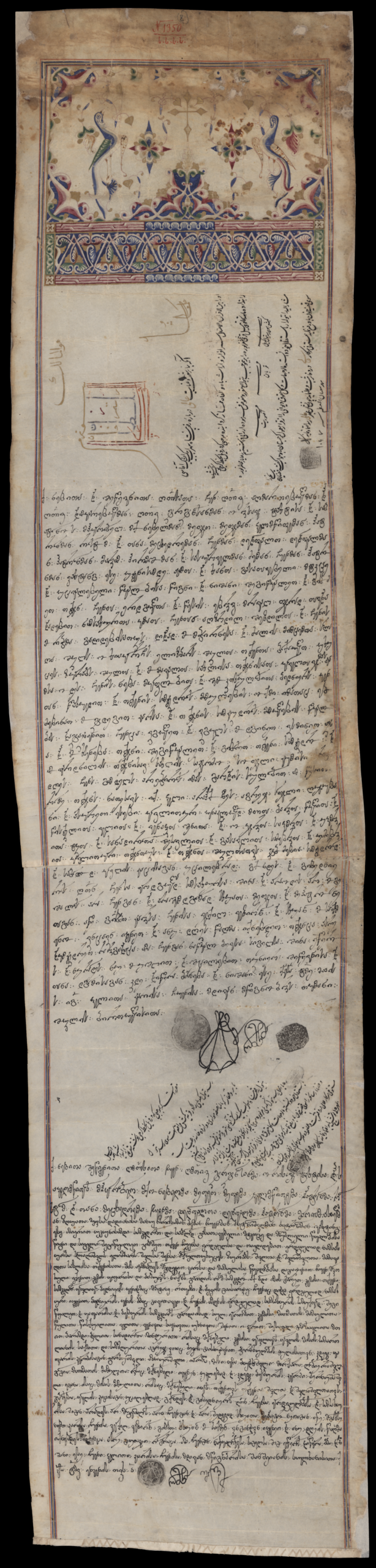
This is a guest post by Helen Giunashvili | George Tsereteli Institute of Oriental Studies/Ilia State University Introduction In the…
How does Algeria fit into the world of digital humanities? First, we have to determine what we mean, when we…
This is a guest post by Anastasia Pineschi, International Dunhuang Programme (IDP) Project Manager. Find out more at the end…
Introduction As the digitization of cultural heritage progresses on both a local and a global level, the importance of digital…
This post was co-written with Daniel Wojahn. The Oral History of Tibetan Studies (OHTS) project aims to collect and preserve…
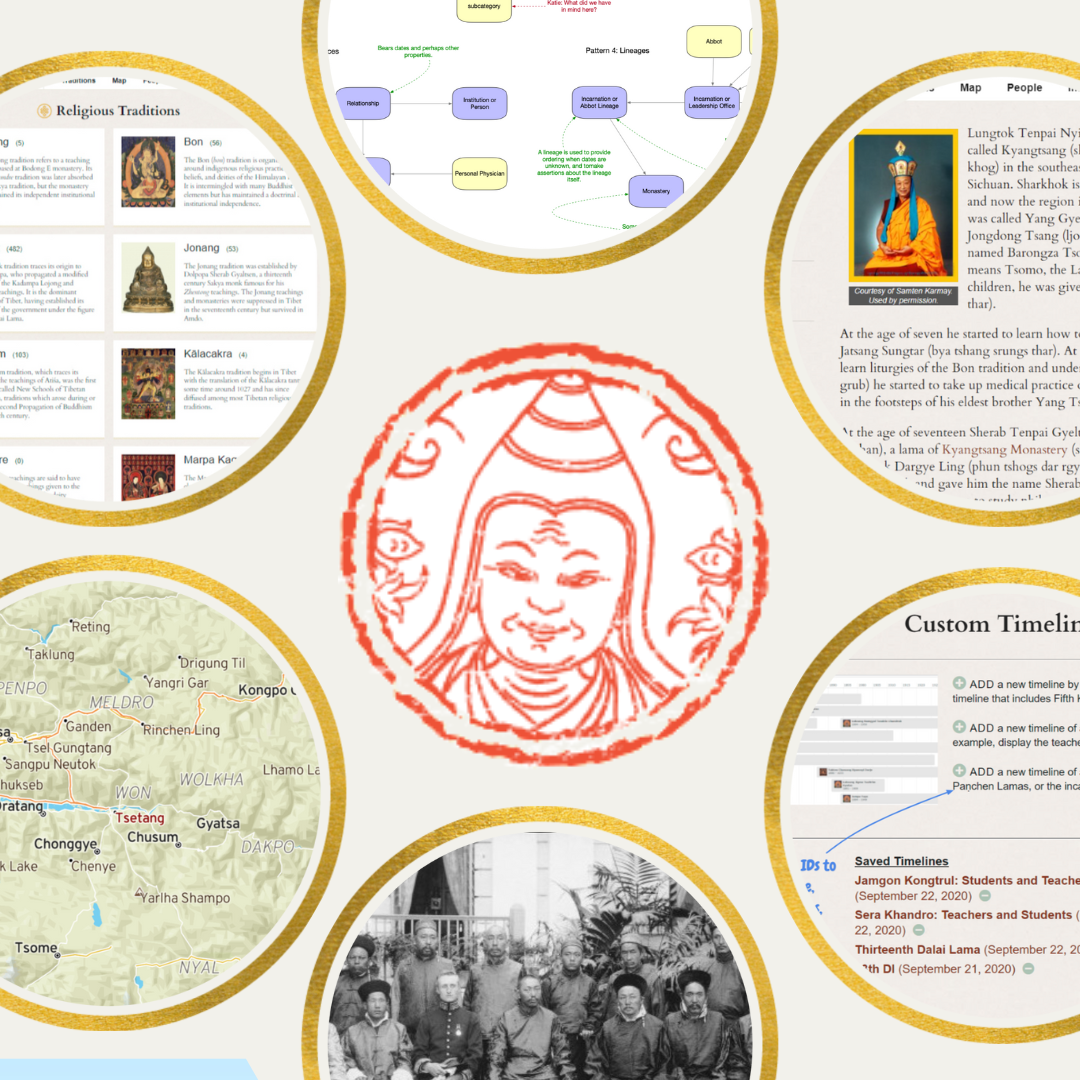
This is a guest post by Alex Gardner and Catherine Tsuji Background On June 3, 2023, the Treasury of Lives…