From Vienna to the World: Launching the First Public Syriac HTR Model on Transkribus
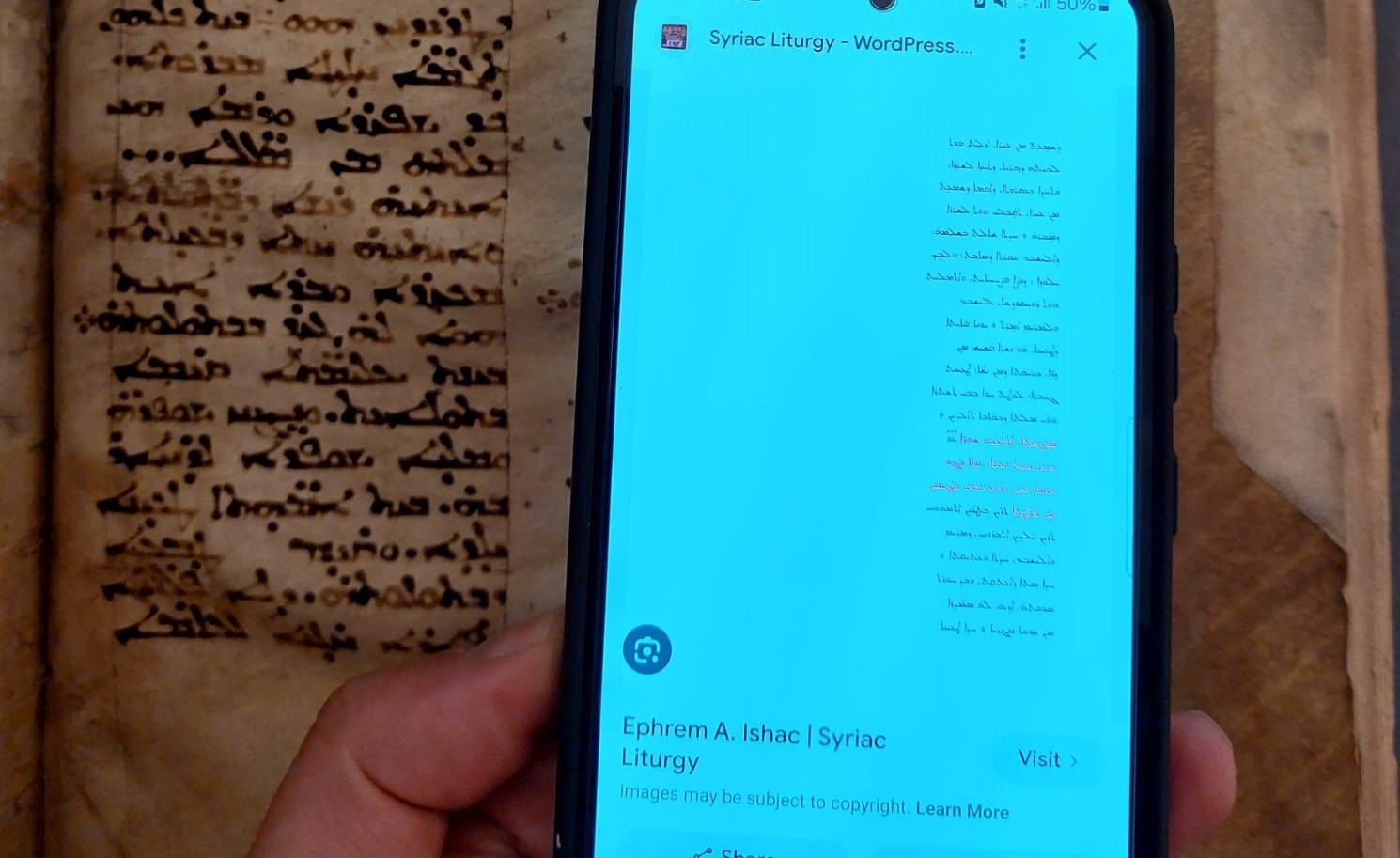
Readers of The Digital Orientalist, you are among the first to know! Today’s post is dedicated to the release of…
Readers of The Digital Orientalist, you are among the first to know! Today’s post is dedicated to the release of…
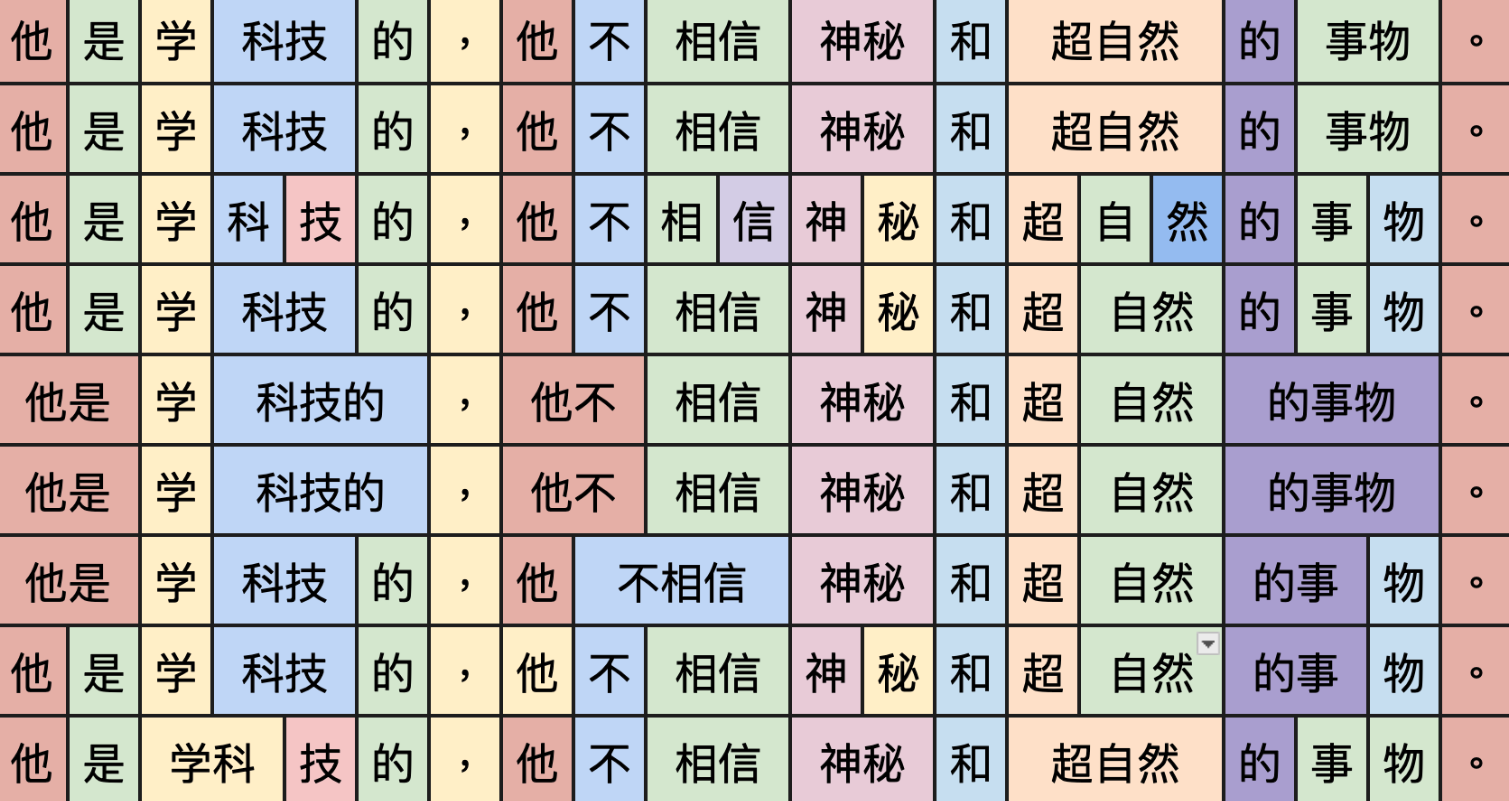
Tokenization, the process of transforming human text into machine-understandable units of meaning (tokens), is a foundational step in language modeling.…
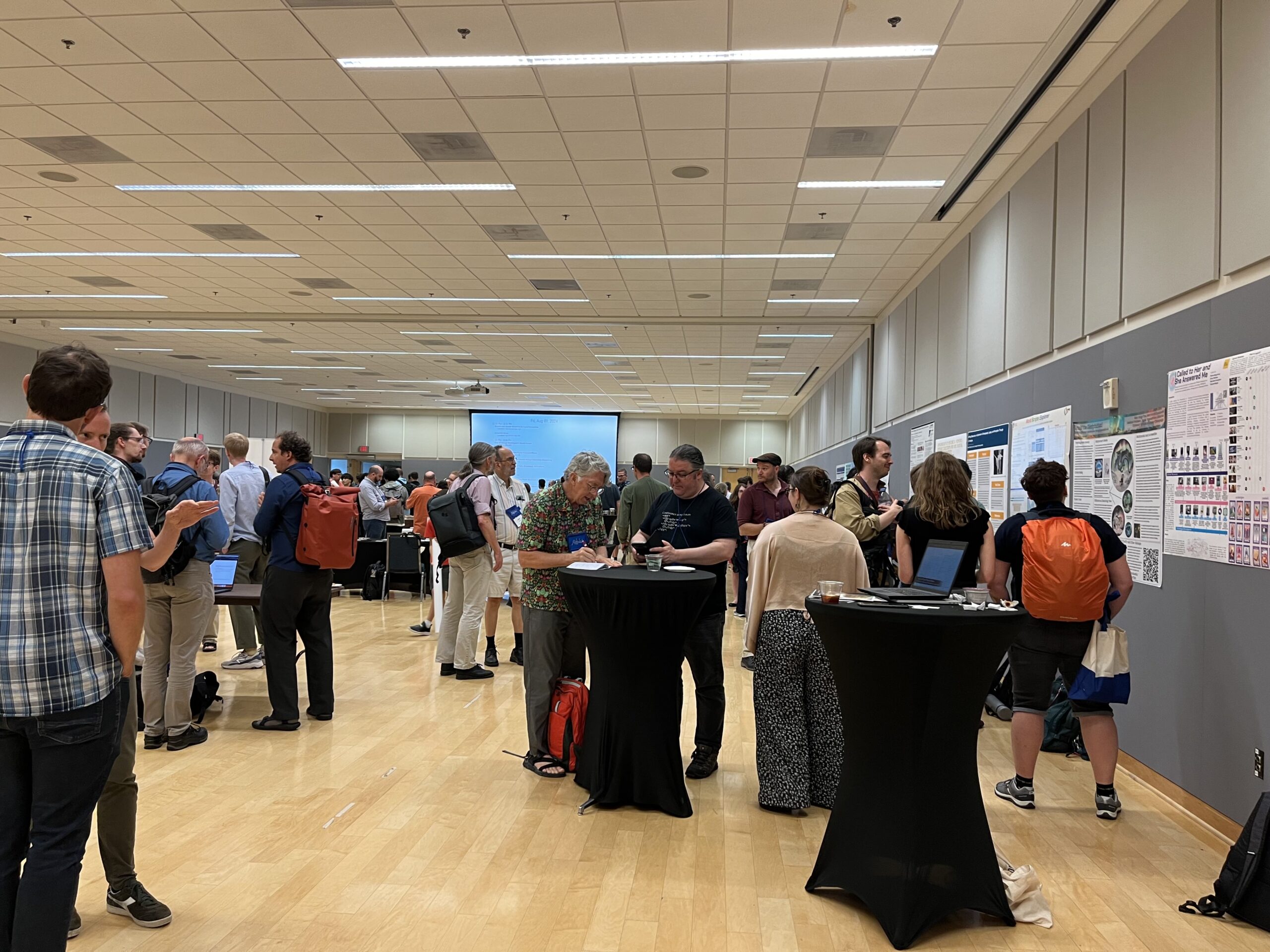
This is a guest post by Joanne Bernardi. Graduate students in the humanities learn early that academic conferences are cornerstones…
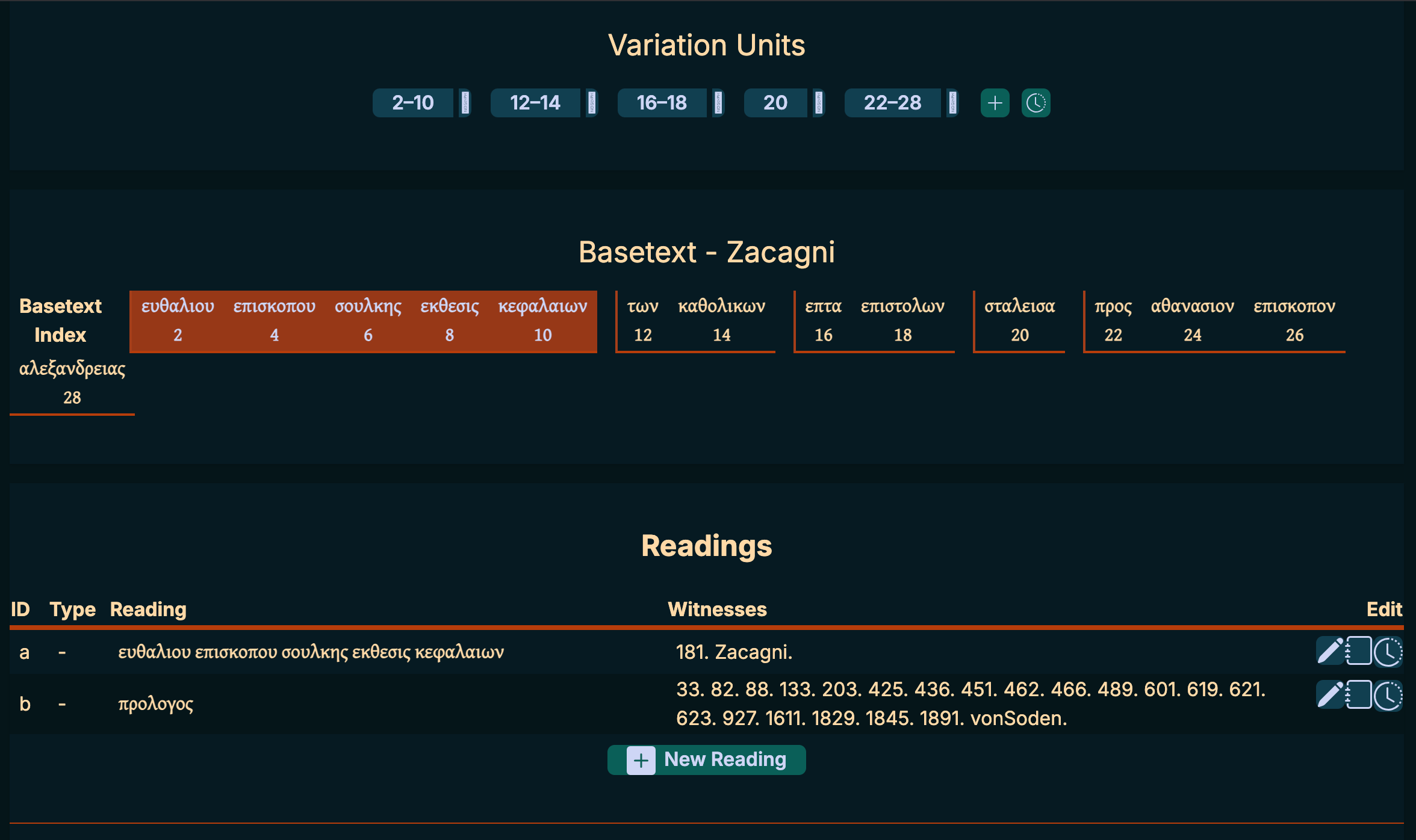
In my last post, I explored how to collate TEI XML transcriptions of Greek New Testament manuscripts, yielding a TEI…
In my last post, I discussed the DiGA project with two of its members – Dr Jessie Pons, project leader,…
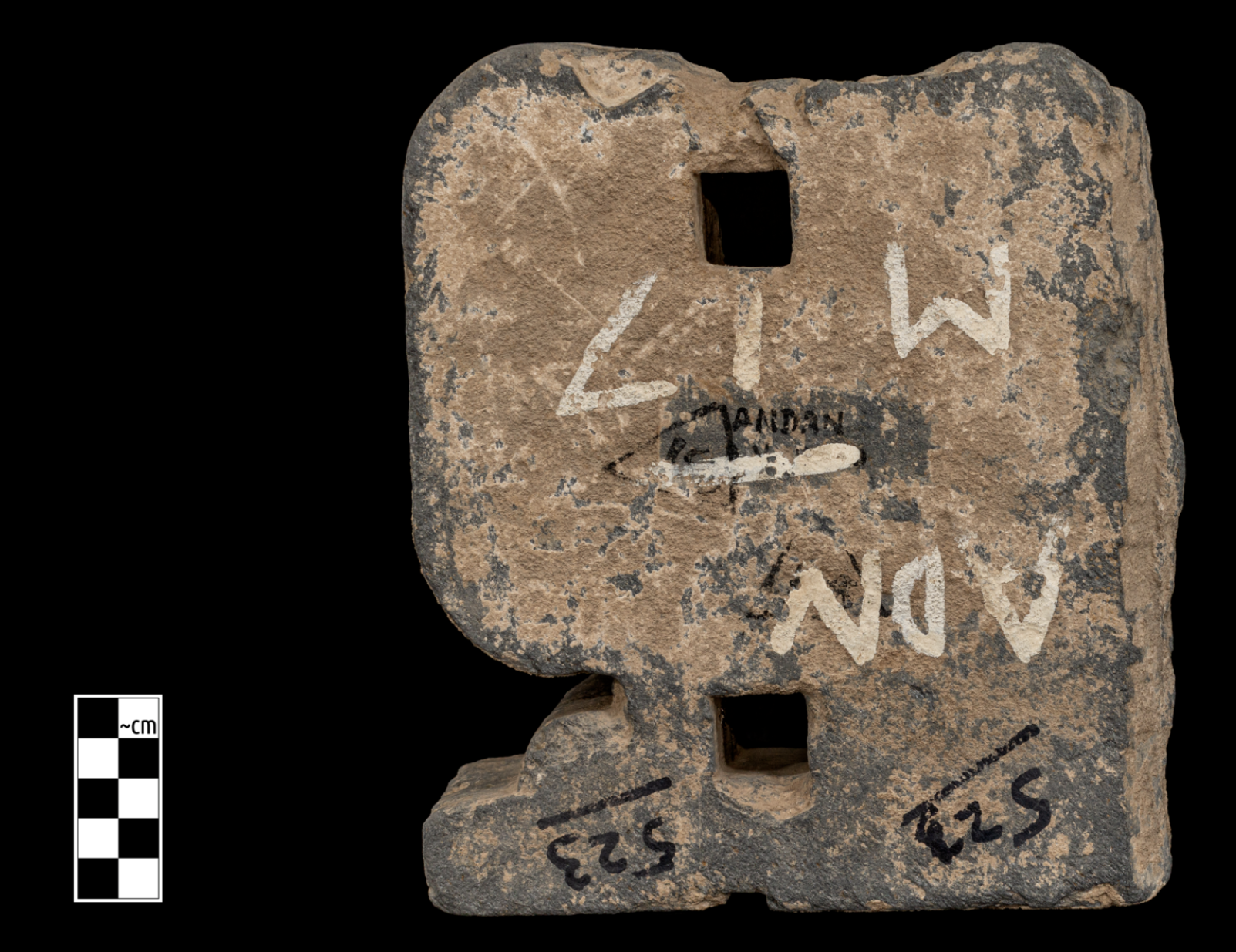
Archives and archive building hold great potential within the theory and praxis of digital humanities in India. Sindhi, a minor…
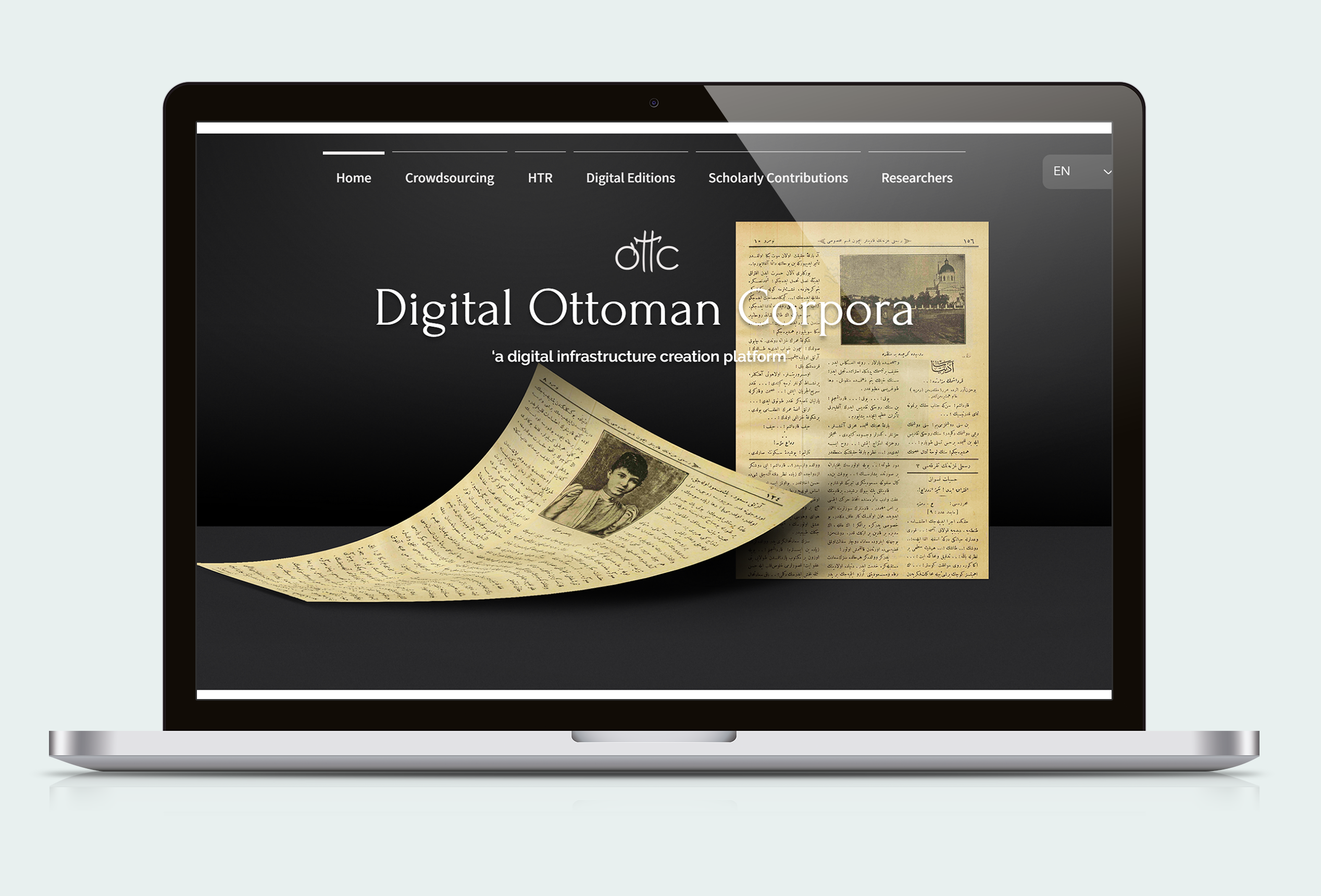
It is fascinating to see how Ottoman Turkish texts are transcribed with the help of artificial intelligence (AI)-operated tools, such as Handwritten…
This is the English version of the Japanese article at Jimbun Jōhōgaku Geppō (『人文情報学月報』: Digital Humanities Monthly), 159 (1), titled…
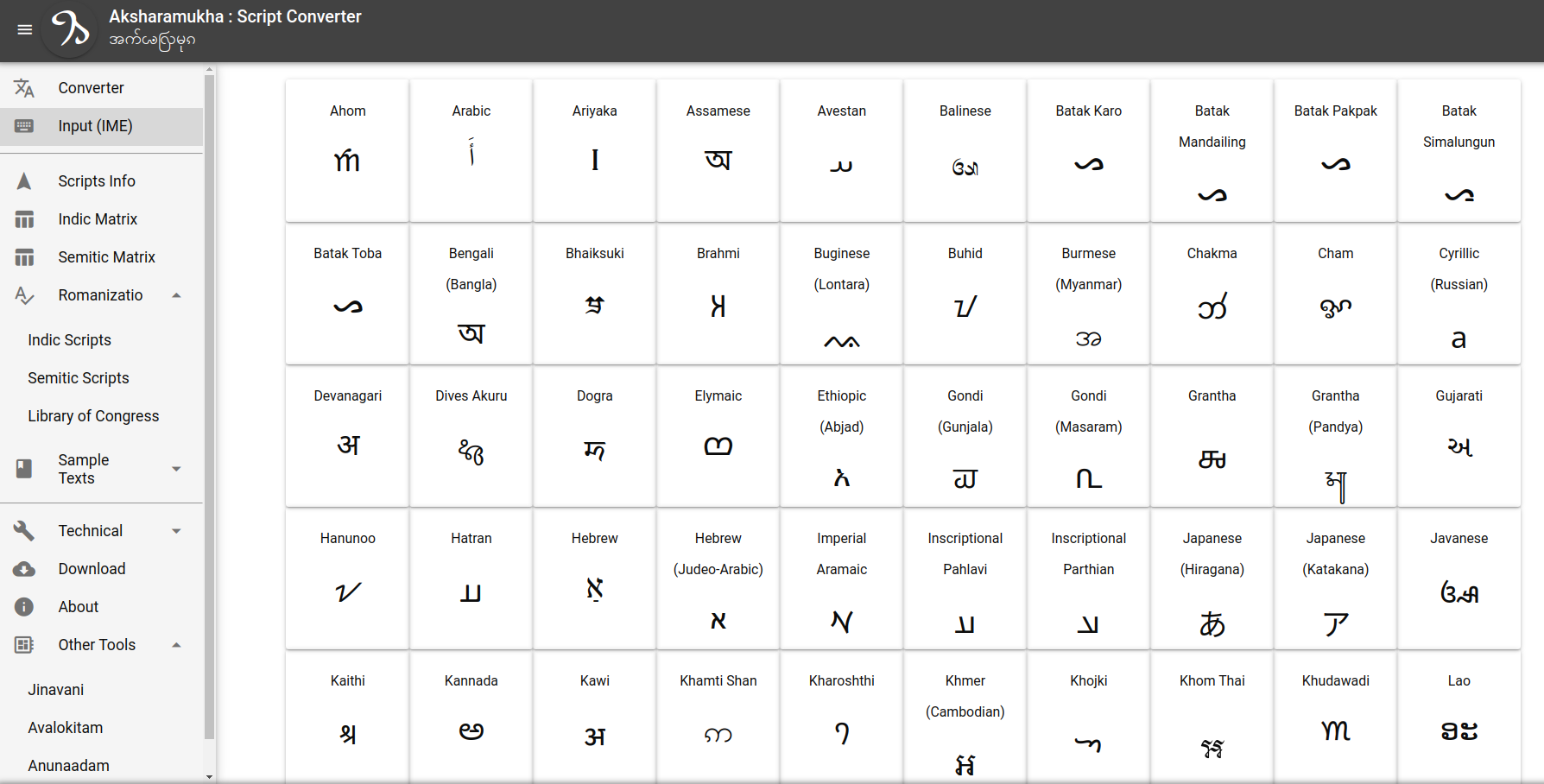
Aksharamukha, a free and open-source transliteration tool supporting 121 scripts and 21 romanization methods, enhances access to multilingual texts and facilitates cross-cultural communication.
Recent years have witnessed a wave of fascinating research findings in both natural and artificial intelligence. While scholars remain cautious…