Skip to content

My Website

Category: Tibetan Studies

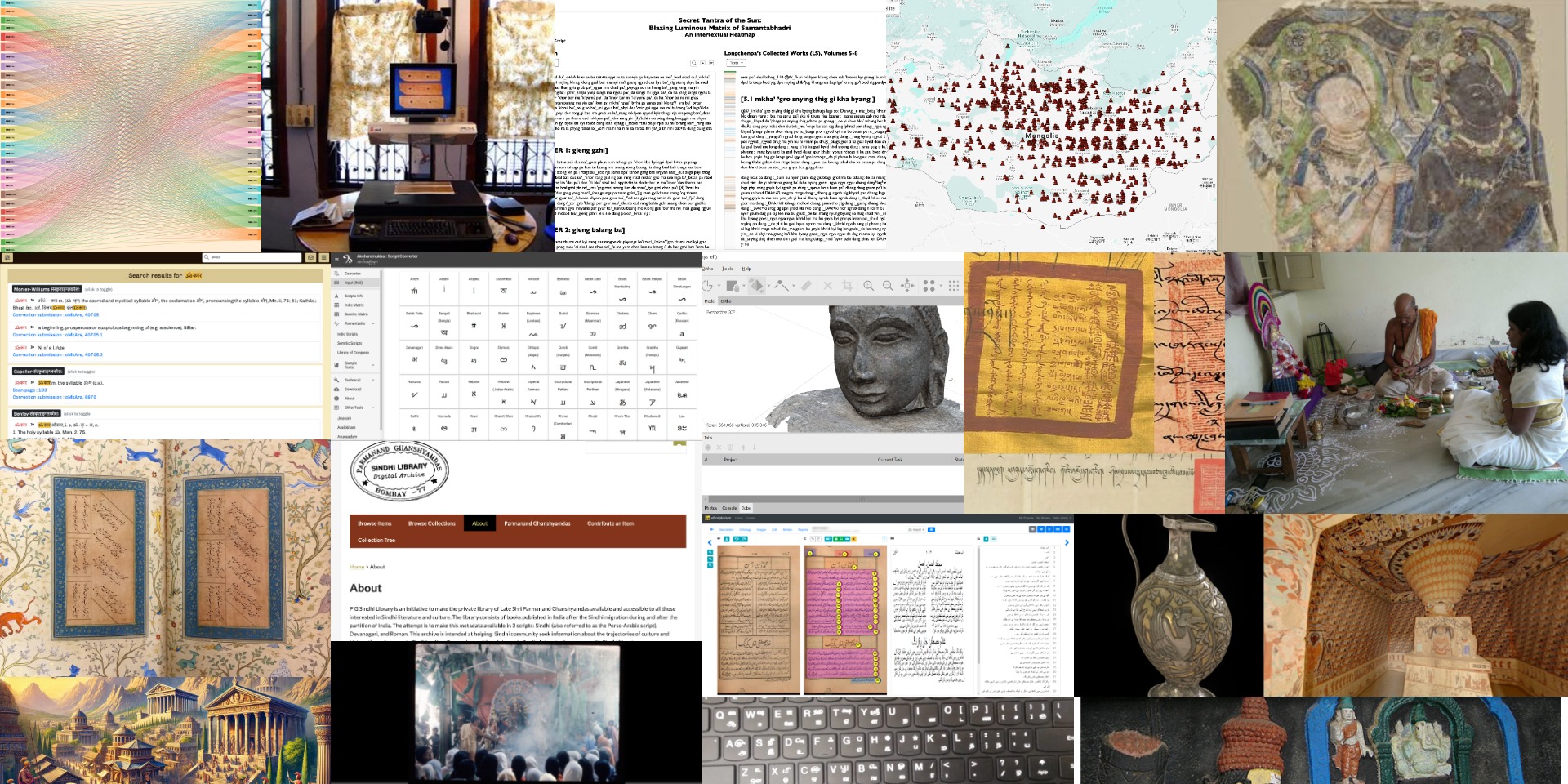
An Overview of Digital Tools and Resources for Central and South Asian Studies Reviewed by The DO Members
Buddhist StudiesIndian StudiesMongolian StudiesOnline ResourcesSouth Asian StudiesSoutheast Asian StudiesTibetan Studies

An Overview of Digital Tools and Resources for Central and South Asian Studies Reviewed by The DO Members

This overview is inspired by Maddalena Poli’s recent post, which (re-)introduces East Asian Studies resources featured in The DO. Since…
Rachael GriffithsOctober 24, 2025
Beyond Rows and Columns: Visualising Data with RAWGraphs
DH in PracticeNew PostTibetan StudiesVisualization

Beyond Rows and Columns: Visualising Data with RAWGraphs

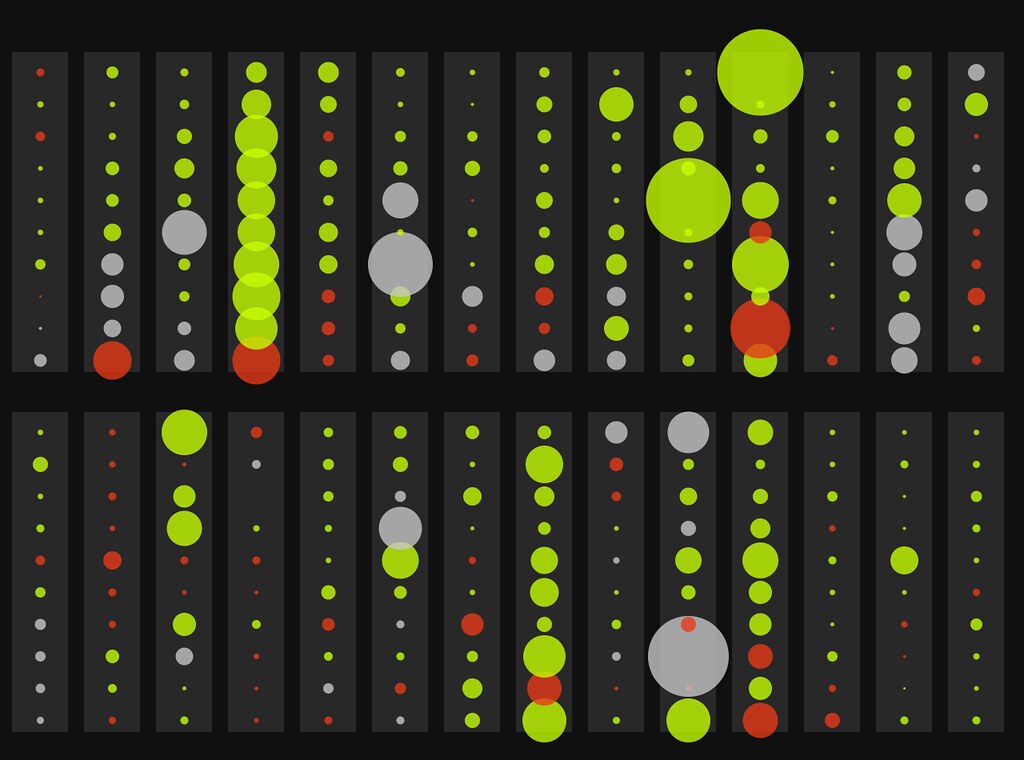
One of the biggest challenges of working with large (and often incomplete) collections of data lies in how best to…

Rachael GriffithsMay 6, 2025
From Bonn to Berlin: The Journey of Tibetan Digital Archives (CrossAsia Series Part 3)
ArchivingDigitizationTibetan Studies

From Bonn to Berlin: The Journey of Tibetan Digital Archives (CrossAsia Series Part 3)

Image taken from DTAB CrossAsia In the third and final part of the series, we present one of CrossAsia’s database…

Daniel WojahnApril 11, 2025
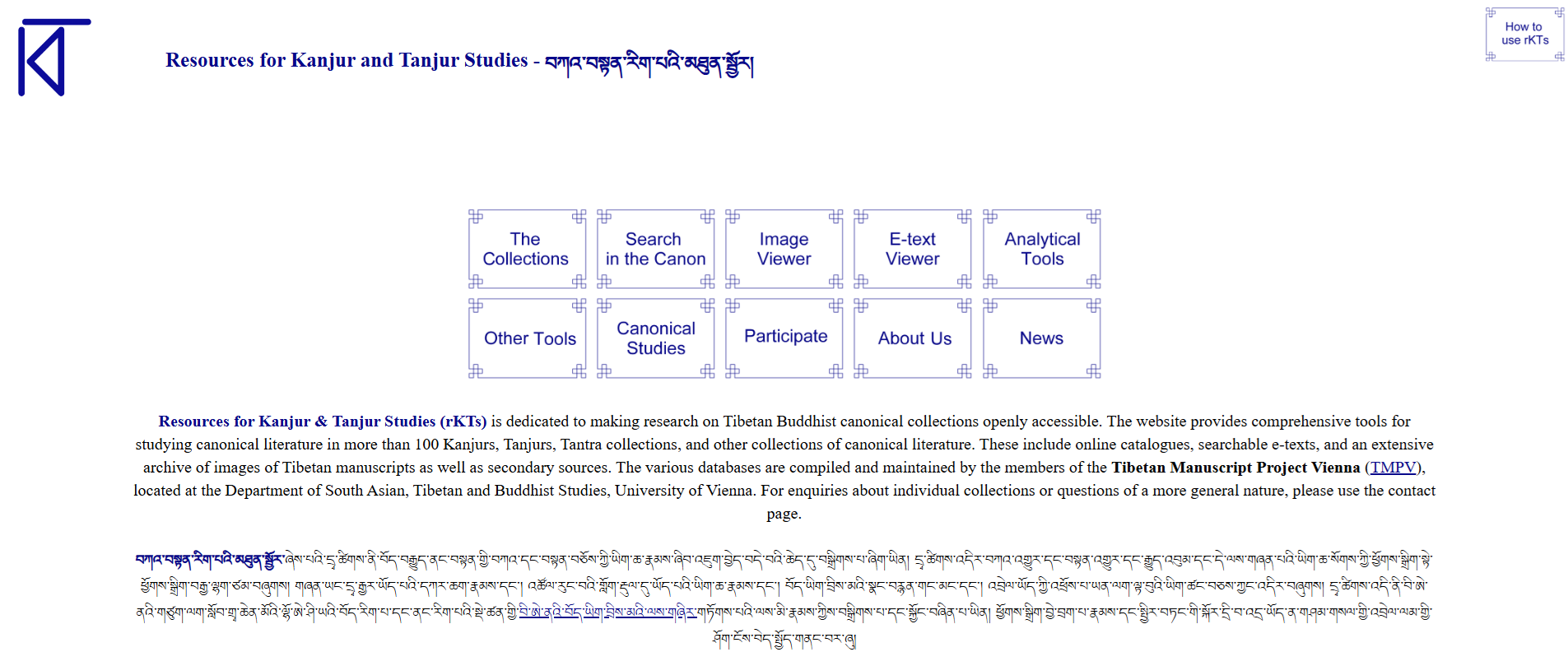
Resources for Kanjur and Tanjur Studies: Introduction and Review
Buddhist StudiesNew PostOCROnline ResourcesTibetan Studies

Resources for Kanjur and Tanjur Studies: Introduction and Review

The Resources for Kanjur & Tanjur Studies (rKTs) is an open-access digital platform that is currently the largest database of…

Rachael GriffithsFebruary 14, 2025
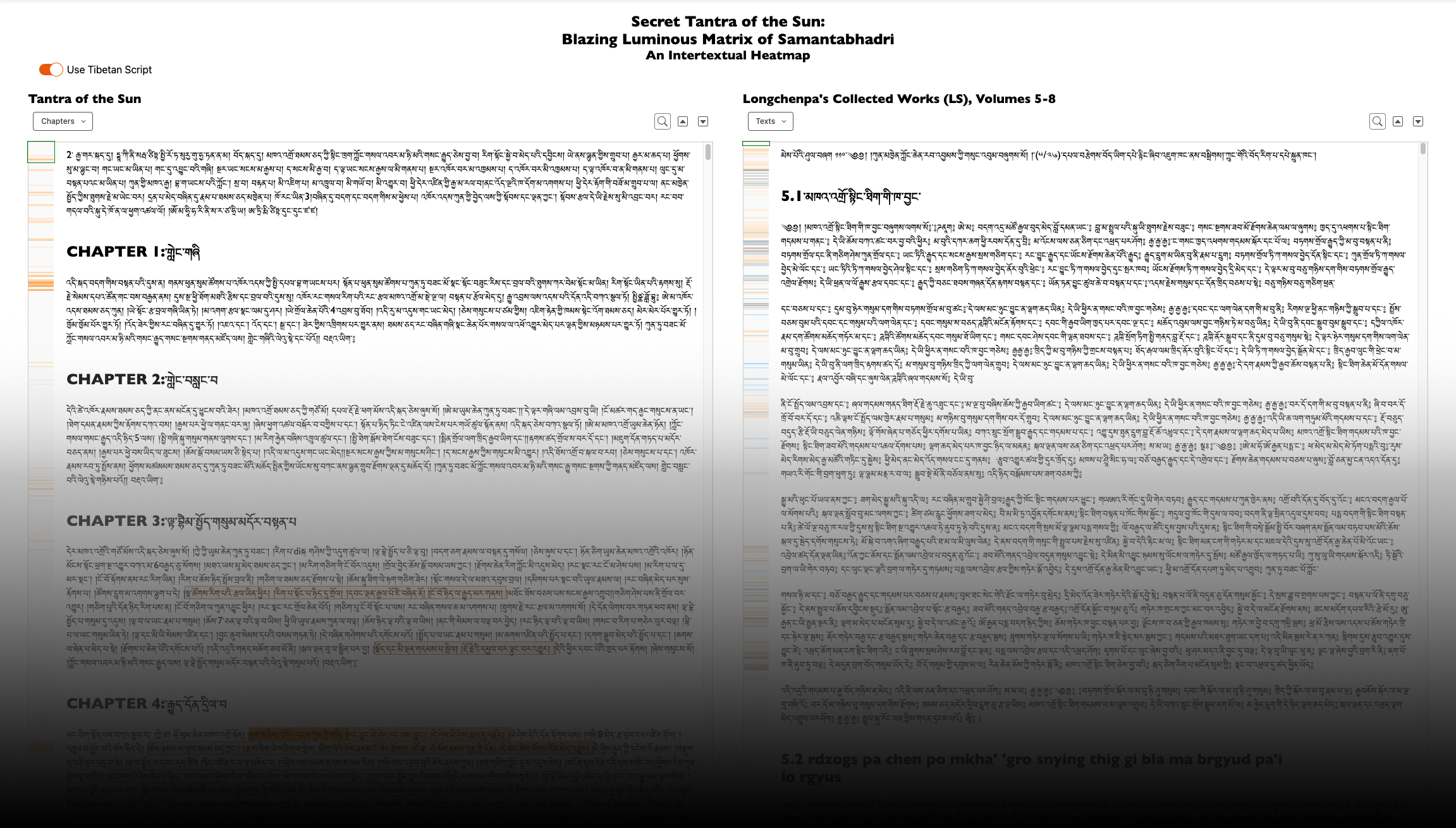
An Intertextual Heatmap: Tantra of the Sun’s Reception in 14th century Tibet
Buddhist StudiesDH in PracticeDigitizationTibetan StudiesVisualization

An Intertextual Heatmap: Tantra of the Sun’s Reception in 14th century Tibet

How do you map 14th-century Buddhist intertextuality? Stanford scholar Elaine Lai shares how she created a digital heatmap to visualize textual connections between the “Tantra of the Sun” and its commentaries, offering new insights into citation patterns and textual authority.

The Digital OrientalistNovember 5, 2024
Far Cry 4: Deconstructing Hegemonic Narratives Through Games
New PostSouth Asian StudiesTibetan Studies

Far Cry 4: Deconstructing Hegemonic Narratives Through Games

The article discusses the use of video games as a tool to convey alternative histories and the representation of non-Western cultures in popular games, using “Far Cry 4” as an example.

Zezhou YangMay 7, 2024
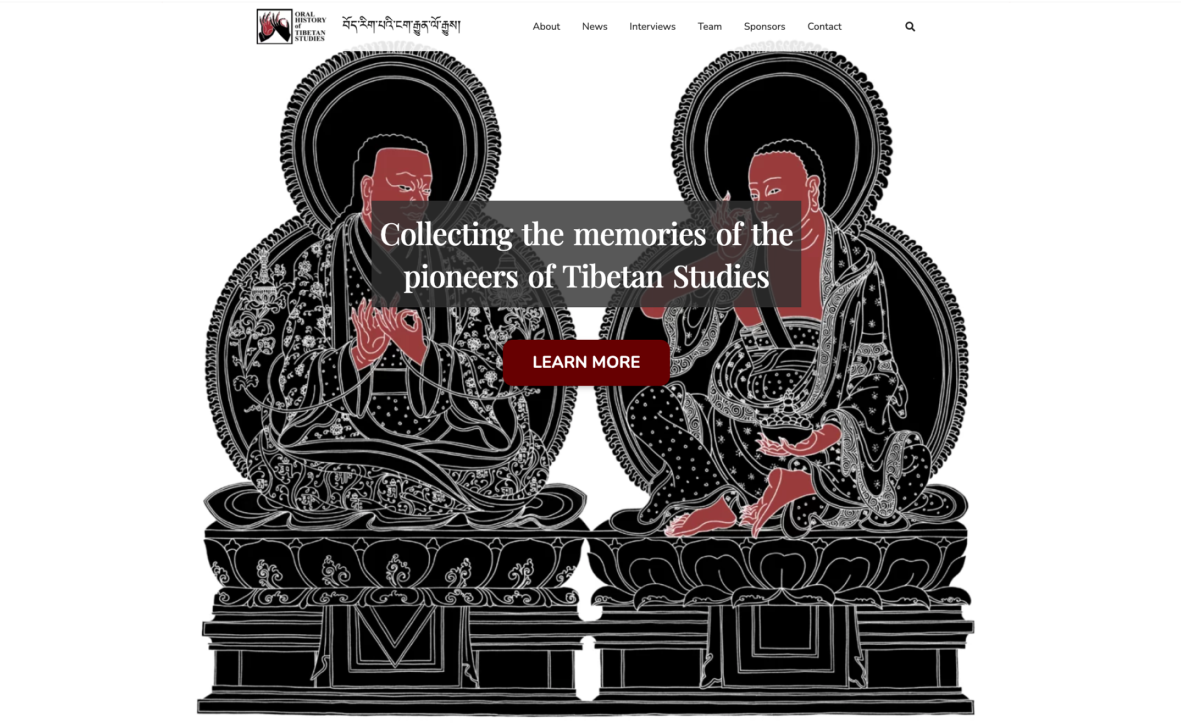
Balancing Innovation and Preservation: Sustainability in the Oral History of Tibetan Studies Project
ArchivingConference ProceedingsDH in PracticeNew PostTibetan Studies

Balancing Innovation and Preservation: Sustainability in the Oral History of Tibetan Studies Project

This post was co-written with Daniel Wojahn. The Oral History of Tibetan Studies (OHTS) project aims to collect and preserve…

Rachael GriffithsMay 1, 2024
Low Tech, High Reward? A Report on the Workshop “Making the Most of Digital Humanities for Tibetan Studies”
DH in PracticeEvents & ConferencesOnline ResourcesTibetan StudiesVisualizationWorkflow

Low Tech, High Reward? A Report on the Workshop “Making the Most of Digital Humanities for Tibetan Studies”

I want to start with some general questions that many Digital Orientalist contributors will have asked themselves privately or in…

Daniel WojahnMarch 1, 2024
Ladakh Archaeology: Introduction and Review
ArchivingOnline ResourcesSouth Asian StudiesTibetan Studies

Ladakh Archaeology: Introduction and Review

In January 2023, Ladakh Archaeology was launched. This is to date the largest database on the heritage of Ladakh, located…

Rachael GriffithsApril 7, 2023
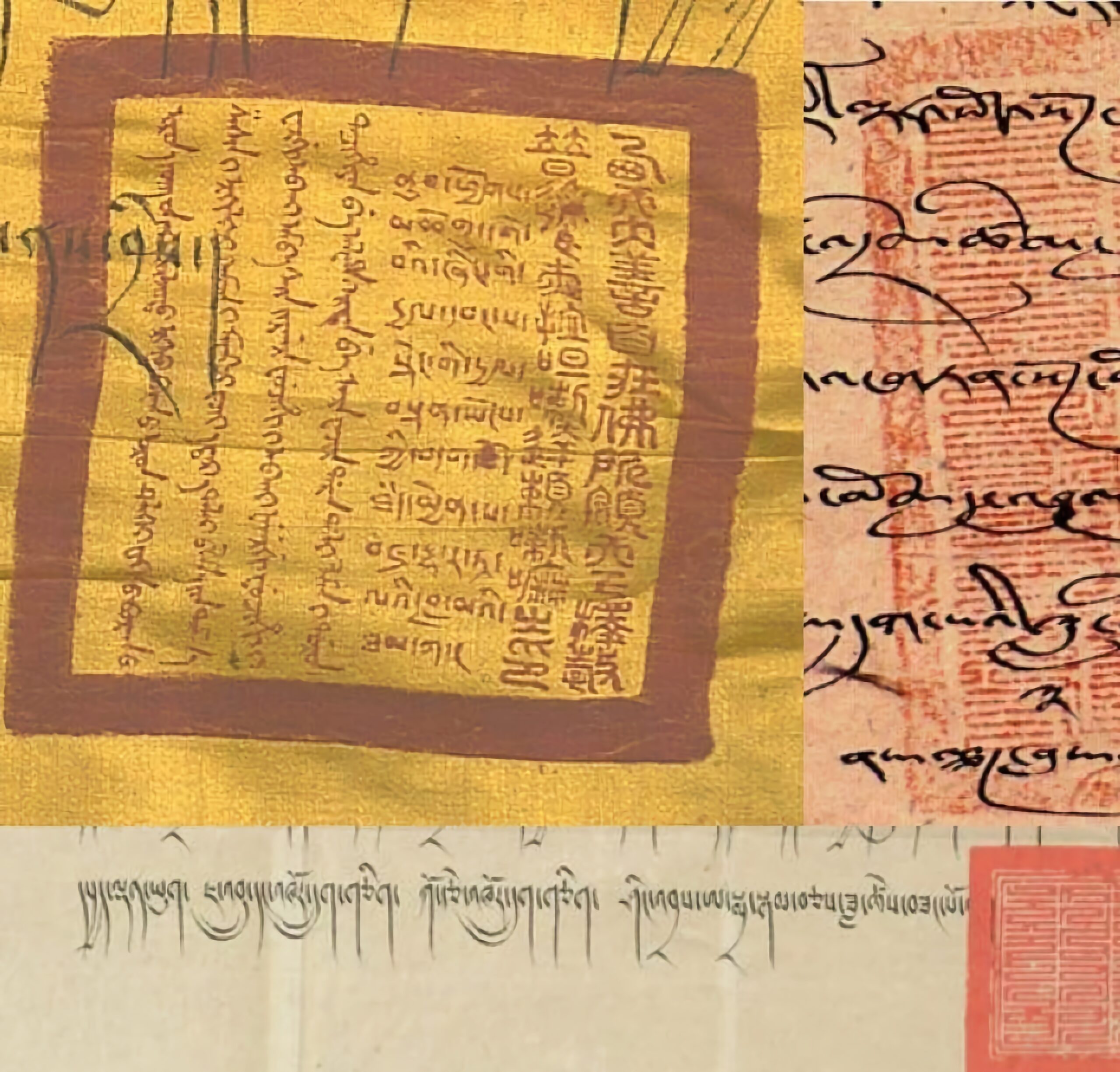
Transkribus in Practice: Abbreviations
Buddhist StudiesDH in PracticeHTRSoftwareTibetan Studies

Transkribus in Practice: Abbreviations

In my last article, I wrote about my experiments to improve the accuracy of a Handwritten Text Recognition (HTR) model…

Rachael GriffithsNovember 1, 2022

Posts pagination

1 2 Next

Copyright © 2026 My Website | Neo Magazine by Ascendoor | Powered by WordPress.