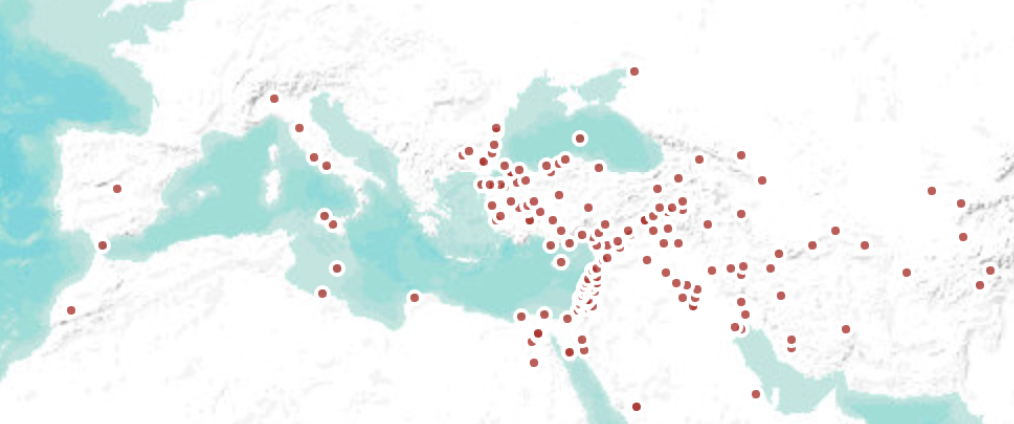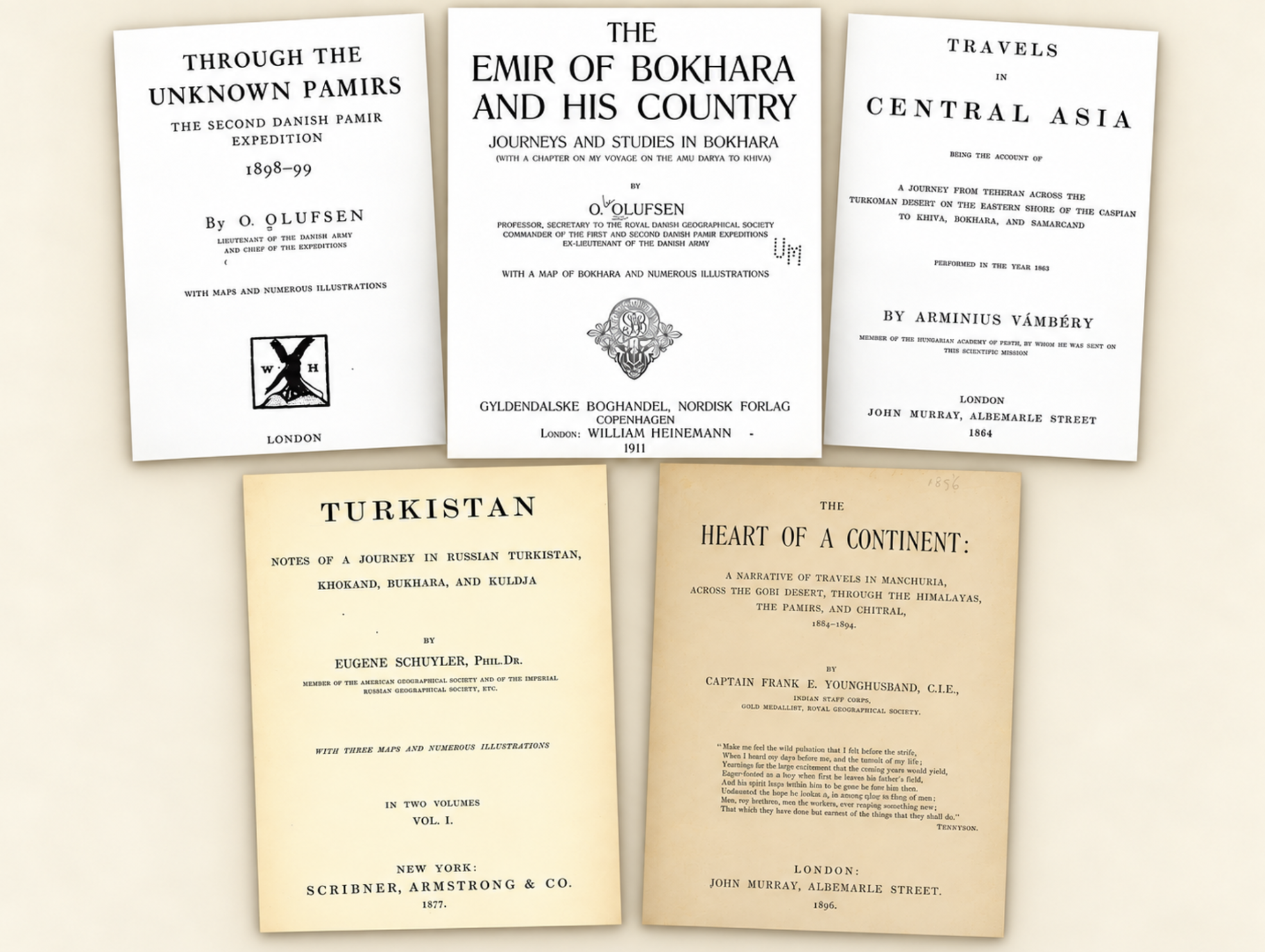
From Scanned Travel Books to a Page-Aware Corpus: Testing Microsoft Foundry for Historical Research on Central Asia
This is a guest piece by Aizat Ishembieva. This post describes how structured text extraction and the creation of a…
This is a guest piece by Aizat Ishembieva. This post describes how structured text extraction and the creation of a…
Introduction This year’s pieces for Digital Humanities in General have covered various aspects of the practice and theory of Digital…
Introduction In my previous work exploring the first volume of Künhü’l-Ahbar, Gelibolulu Mustafa Âlî’s work on history and geography from…
A colleague recently posted on social media about their experience using paperreview.ai (Stanford Agentic Reviewer), an AI tool that is…
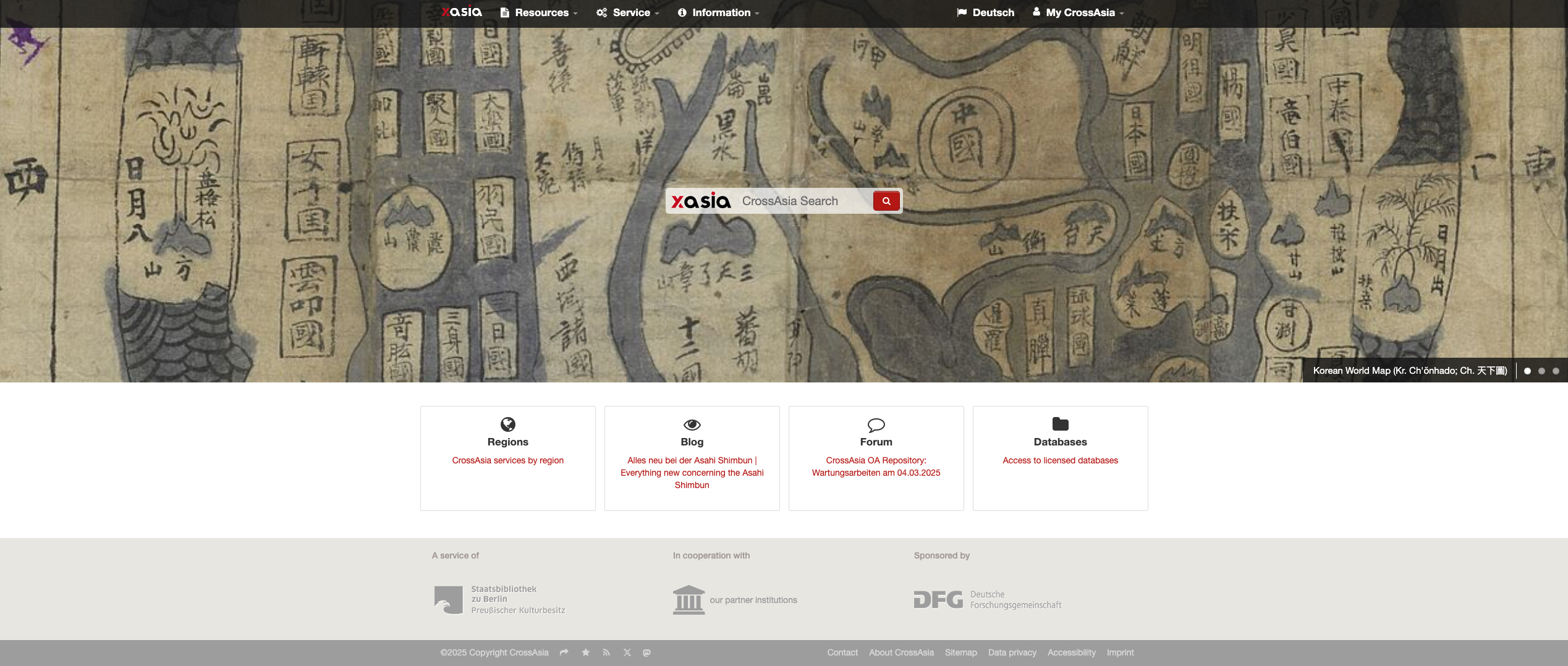
The CrossAsia Lab equips researchers in Asian Studies with practical tools to engage with data in more interactive and meaningful…
The first of three articles looking at how the Staatsbibliothek zu Berlin’s digital platform CrossAsia is changing the way Asian…
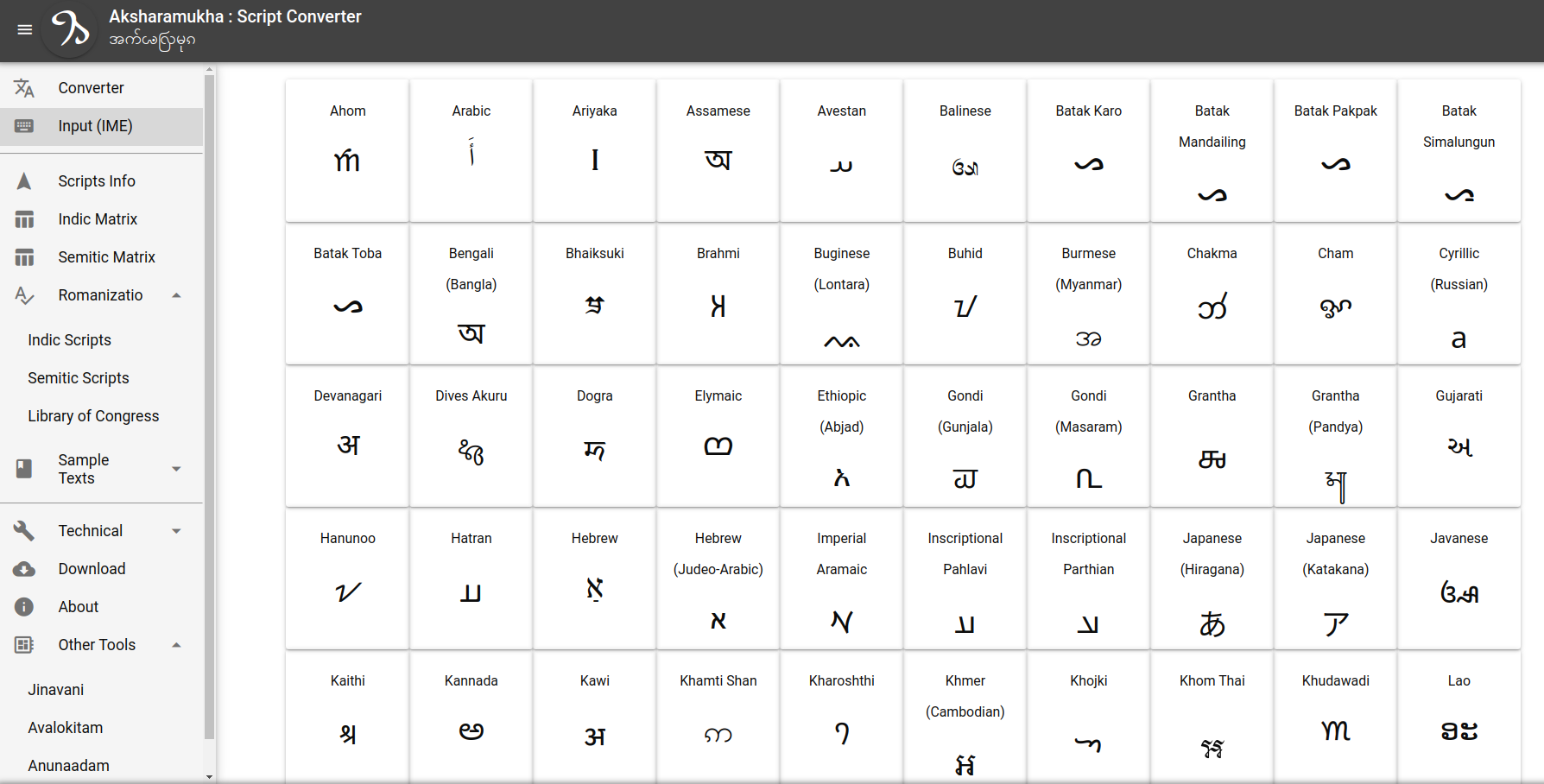
Aksharamukha, a free and open-source transliteration tool supporting 121 scripts and 21 romanization methods, enhances access to multilingual texts and facilitates cross-cultural communication.
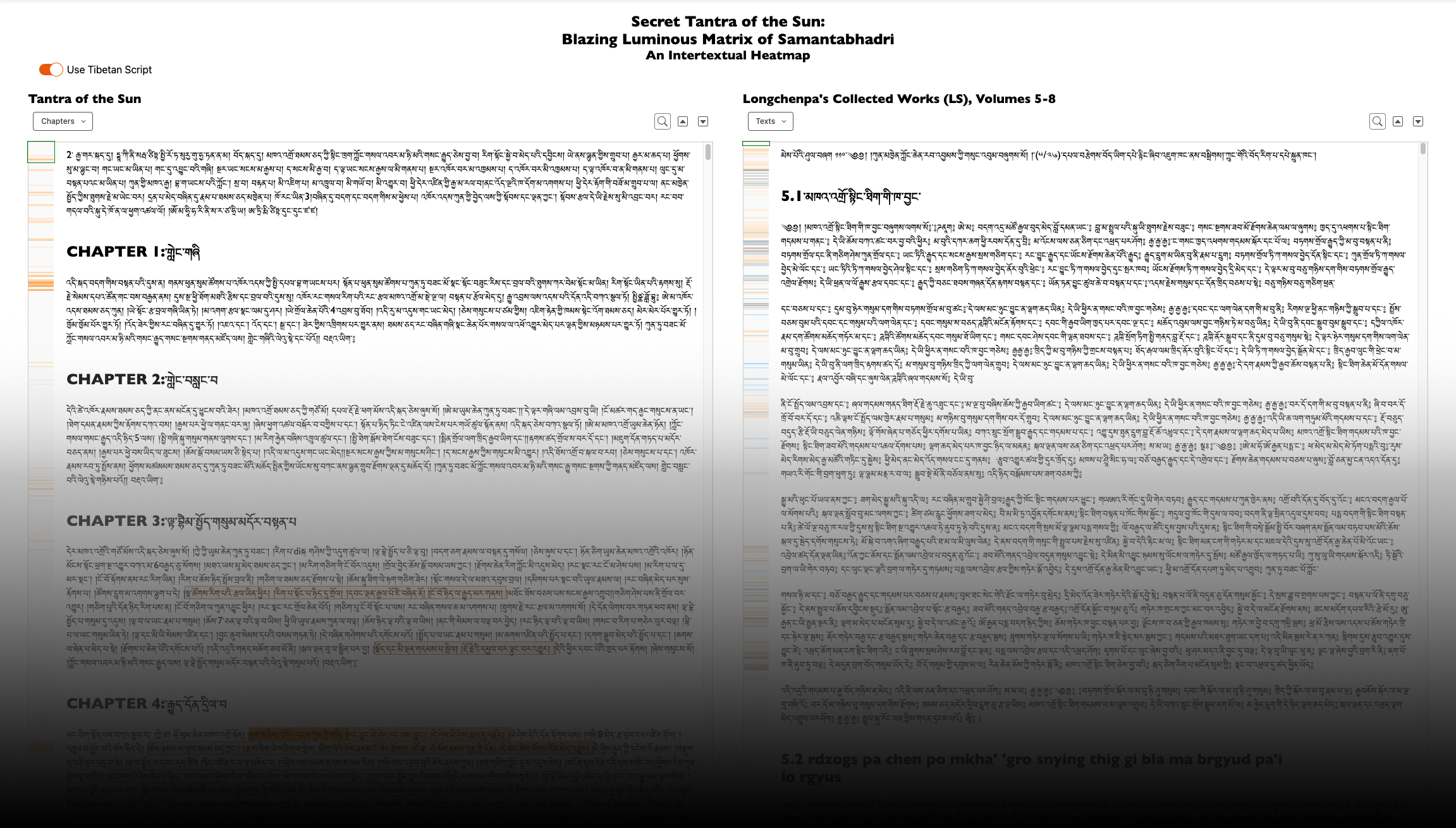
How do you map 14th-century Buddhist intertextuality? Stanford scholar Elaine Lai shares how she created a digital heatmap to visualize textual connections between the “Tantra of the Sun” and its commentaries, offering new insights into citation patterns and textual authority.
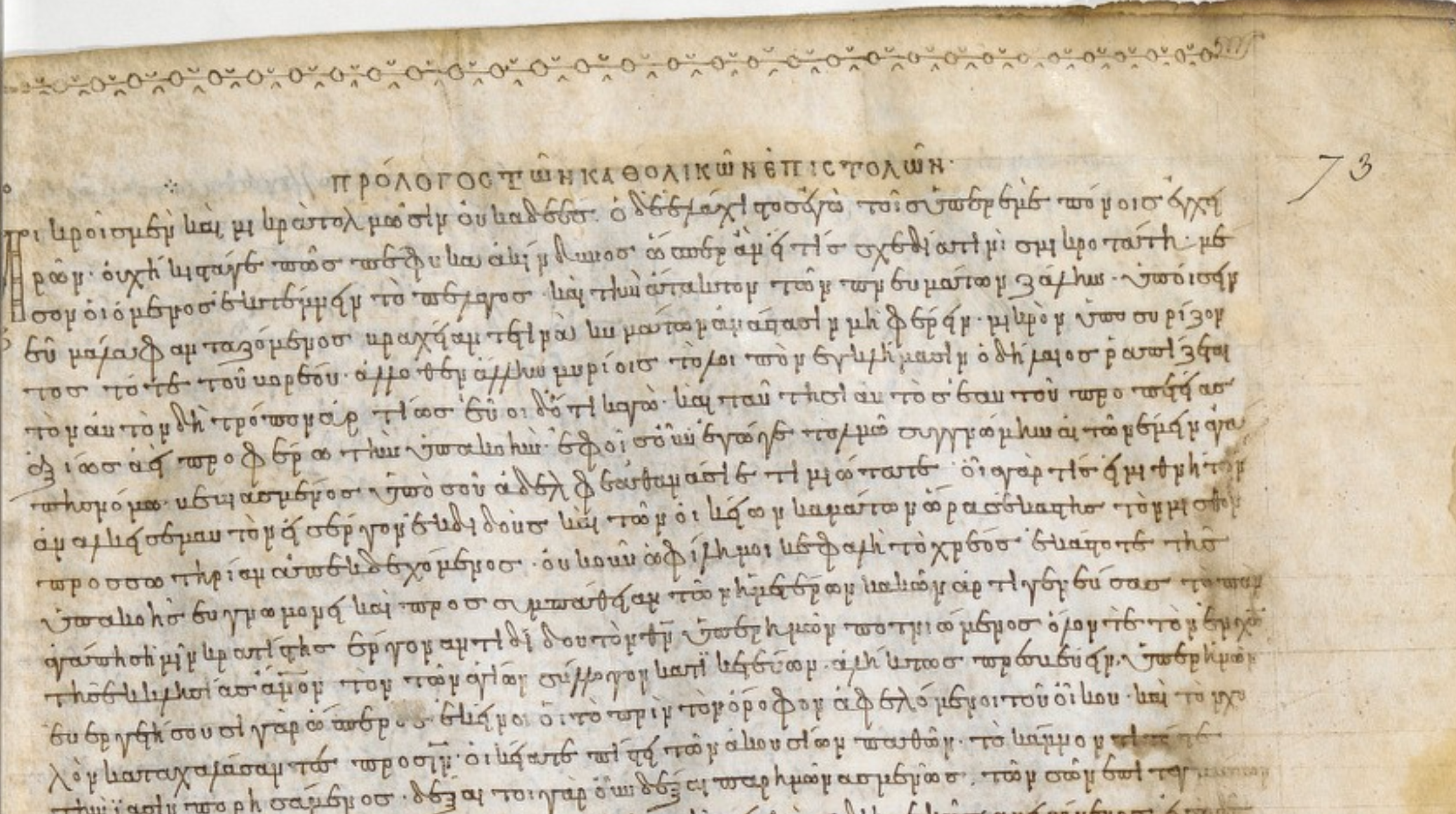
Introduction In my last post, I explored tools in a software package called Criticus that helps move from transcription to…
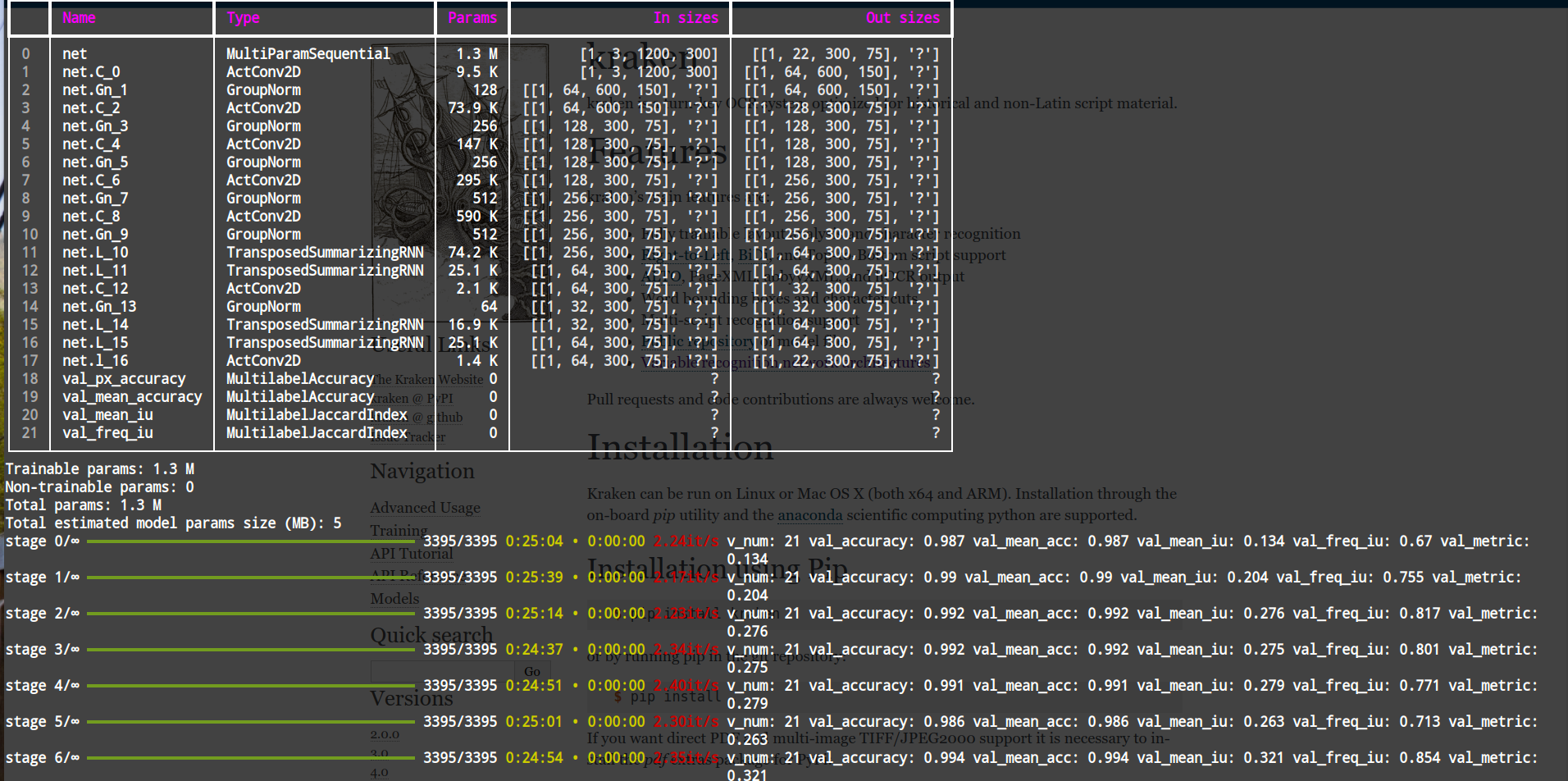
Learn about Kraken’s segmentation model and the process of training our own custom segmentation models for layout analysis tasks.