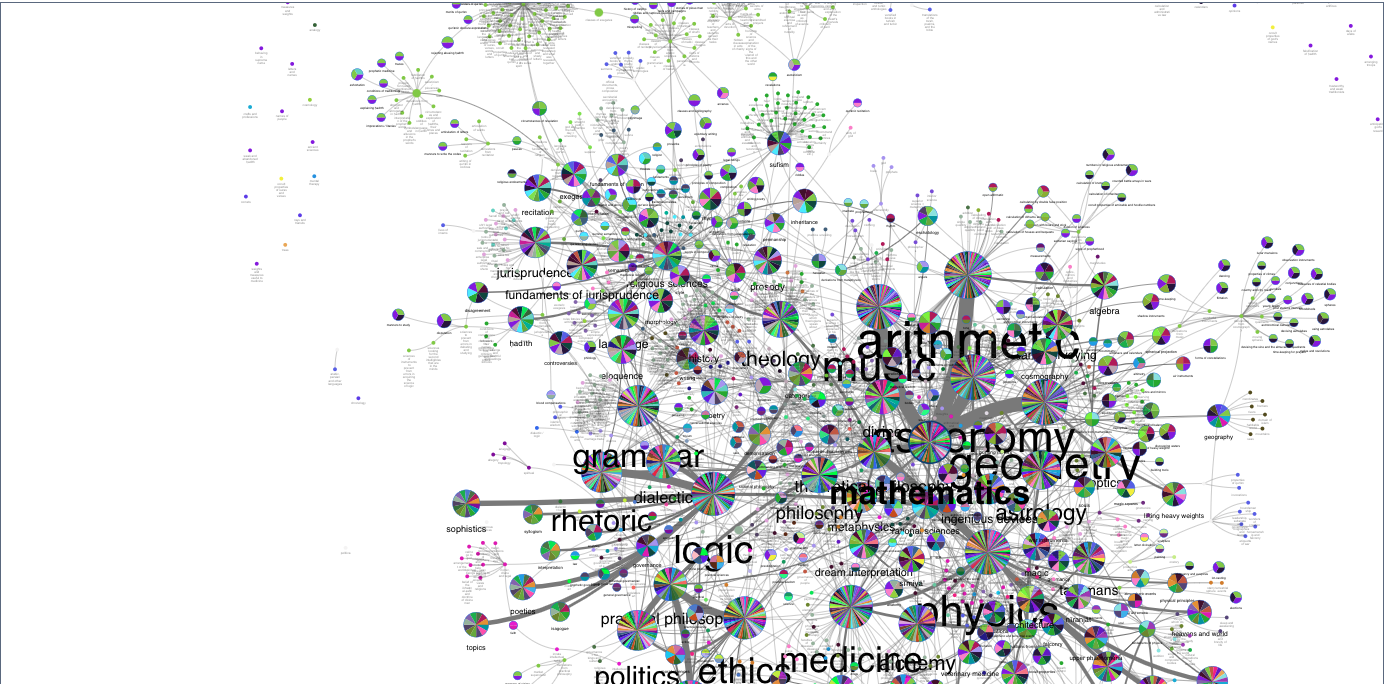
M-Classi: A Digital Tool for the Classification of Sciences in Islam and Beyond
Introduction A fundamental question in the history of science from antiquity to the premodern era is how people organized knowledge,…
Introduction A fundamental question in the history of science from antiquity to the premodern era is how people organized knowledge,…
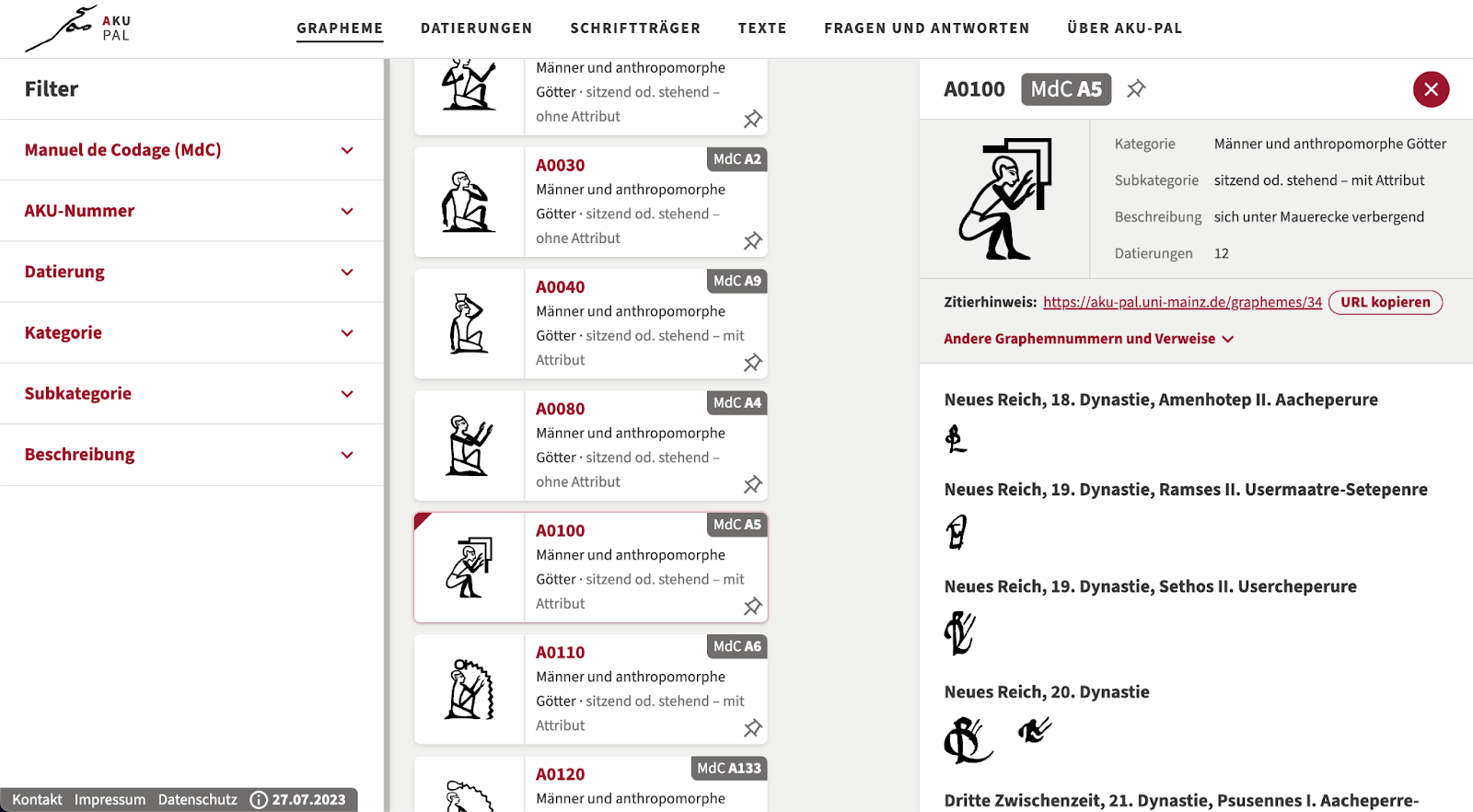
Ancient Egyptian civilization, which flourished in the Nile Valley and the Nile Delta, is widely known for its monumental hieroglyphs…
Dr Johannes Thomann (Visiting Researcher, Islamic Studies, Institute of Asian and Oriental Studies, IAOS; University of Zürich, UZH) is responsible…
Call for Papers Abstract deadline: 31 March 2025Date of the conference: 31 May 2025 Submissions We are pleased to announce…
Welcome to the latest edition of the Editor’s Digest. My name is Maria S. Thomas, and I have been the…
Readers of The Digital Orientalist, you are among the first to know! Today’s post is dedicated to the release of…
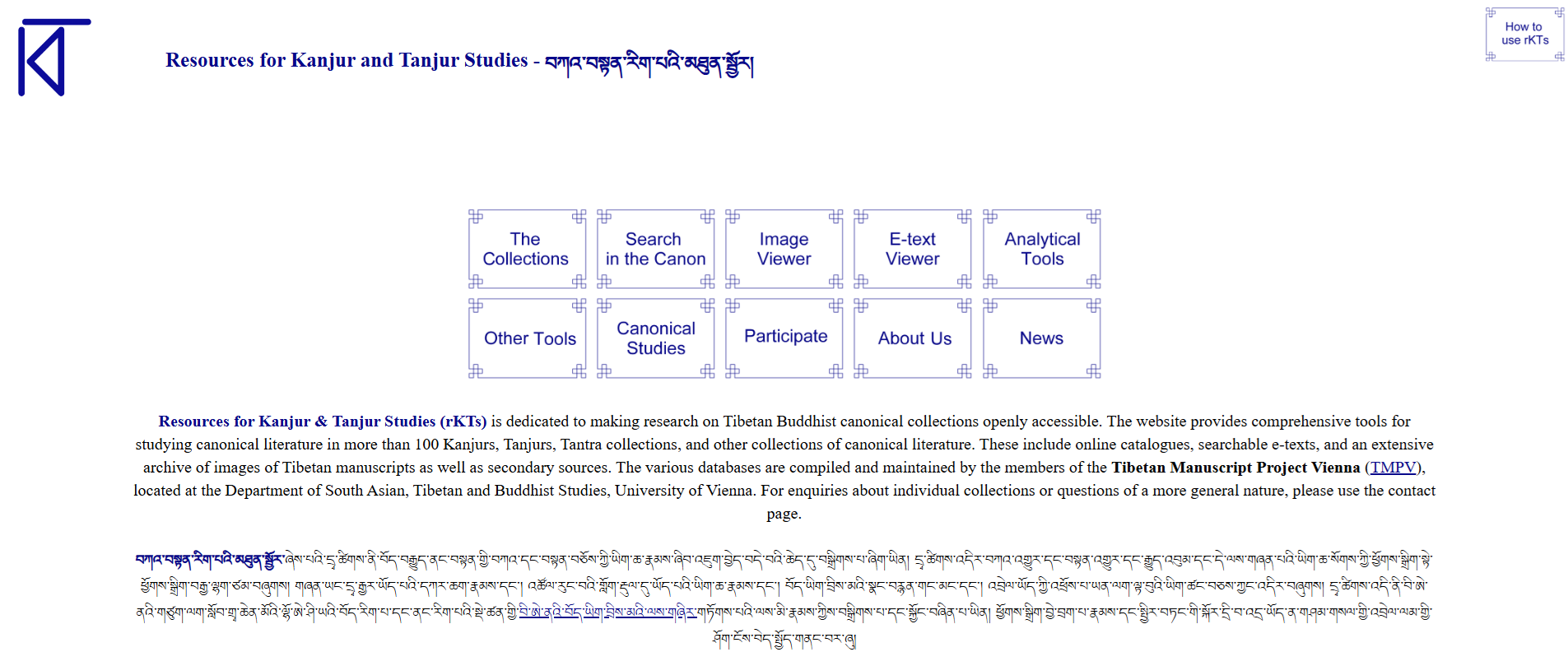
The Resources for Kanjur & Tanjur Studies (rKTs) is an open-access digital platform that is currently the largest database of…
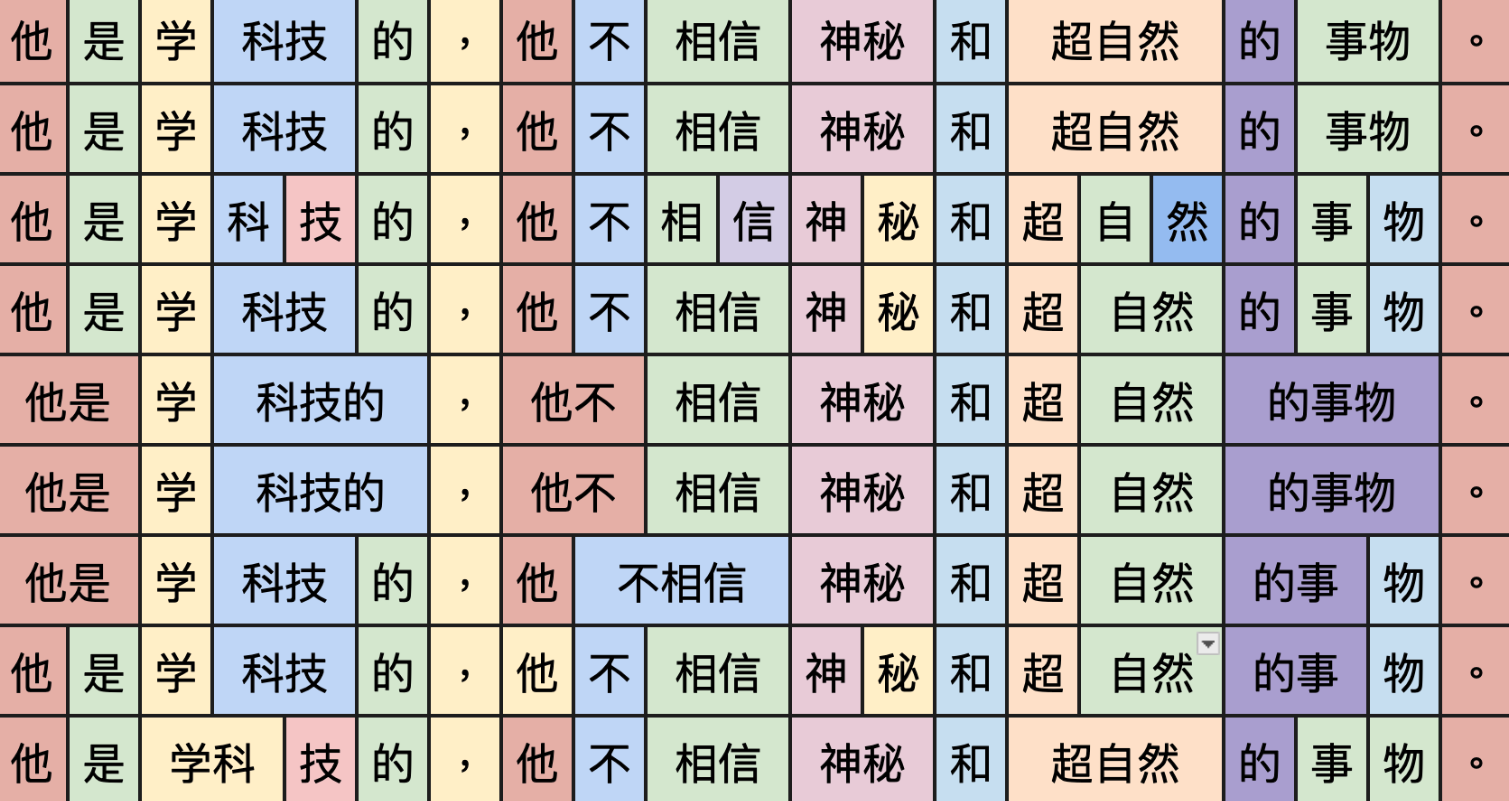
Tokenization, the process of transforming human text into machine-understandable units of meaning (tokens), is a foundational step in language modeling.…
This is part two of a three-part series on the biases about Hellenistic Central Asia in generative artificial intelligence (AI) datasets. Since ChatGPT’s surge of popularity in November 2022, some theorize that generative AI tools could be the answer to uncovering how ancient music could have actually sounded.
Background Historical Chinese texts and source notes, preserved in various forms including rare books, special collections, and modern academic databases,…