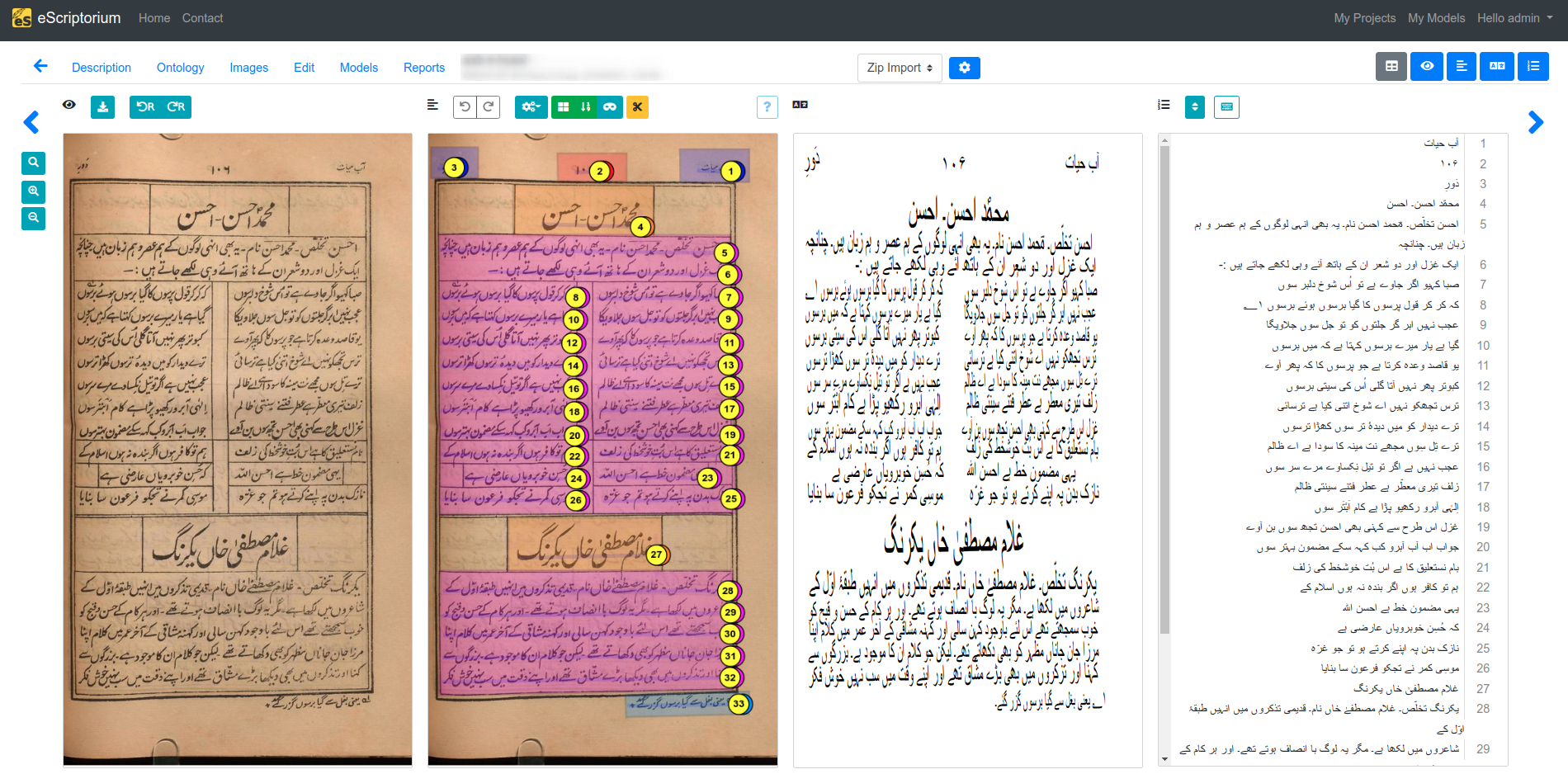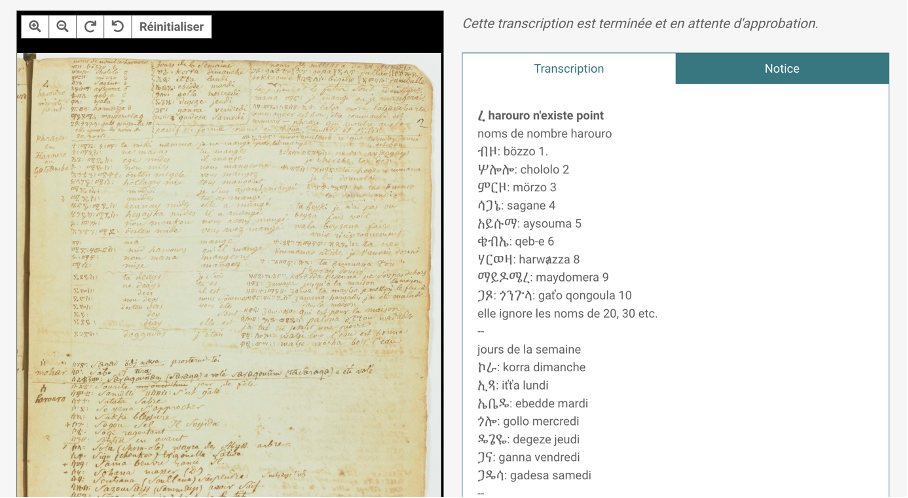
How to build a community of collaborative transcription? Feed-back from an on-going project
(Part 2) Although we initially thought that the Ethiopian community would find something to satisfy its curiosity, it was clear…
(Part 2) Although we initially thought that the Ethiopian community would find something to satisfy its curiosity, it was clear…
State-of-the-art OCR engines use trainable models to perform two consecutive tasks that produce machine-actionable transcriptions. They first segment the position…
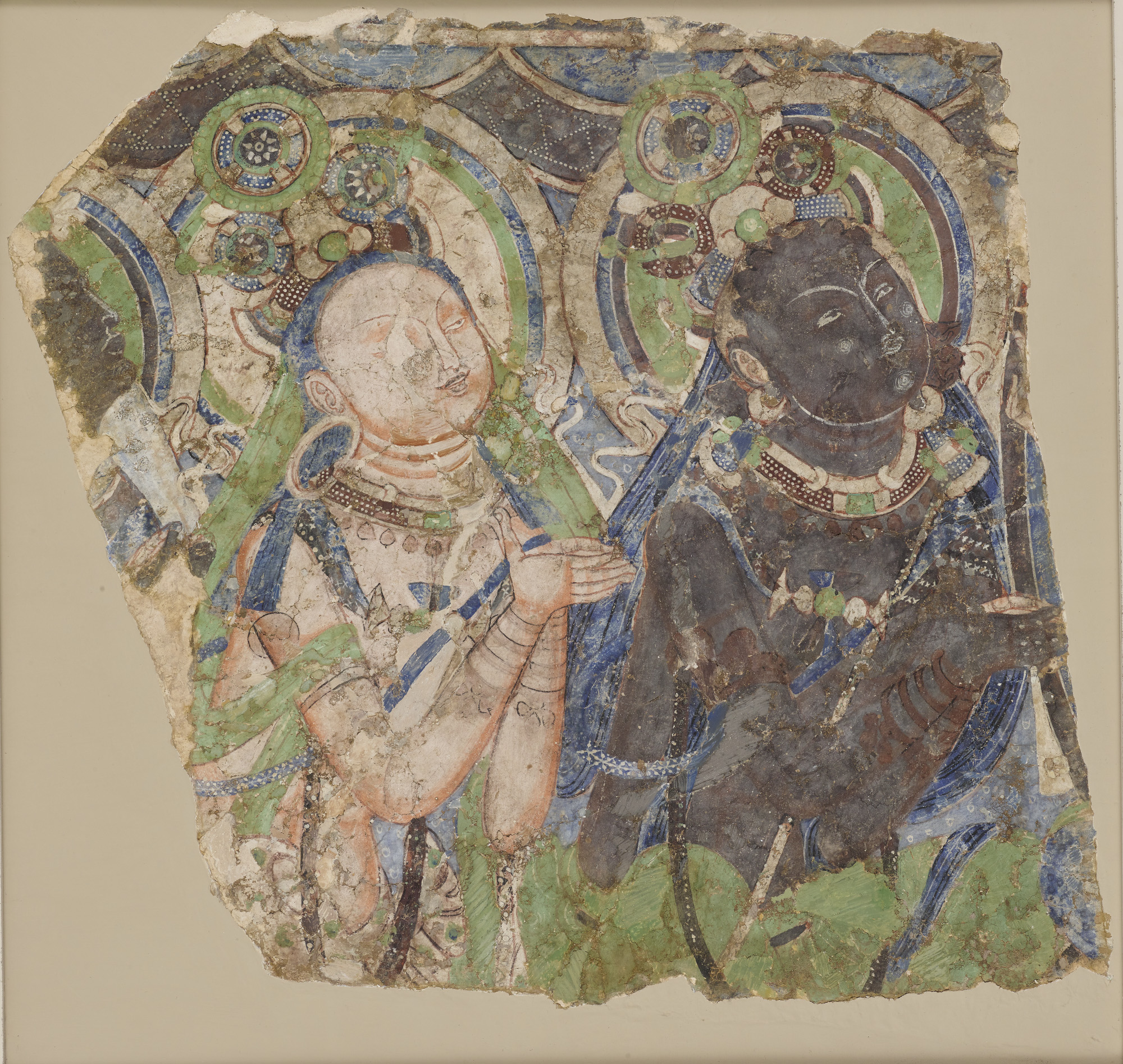
When it comes to Buddhist studies, the number of online resources can feel very overwhelming – from the thousands of…
The following is the schedule of the Digital Orientalist’s 2022 Zoom conference “Infrastructures.” You can find titles and abstracts here;…
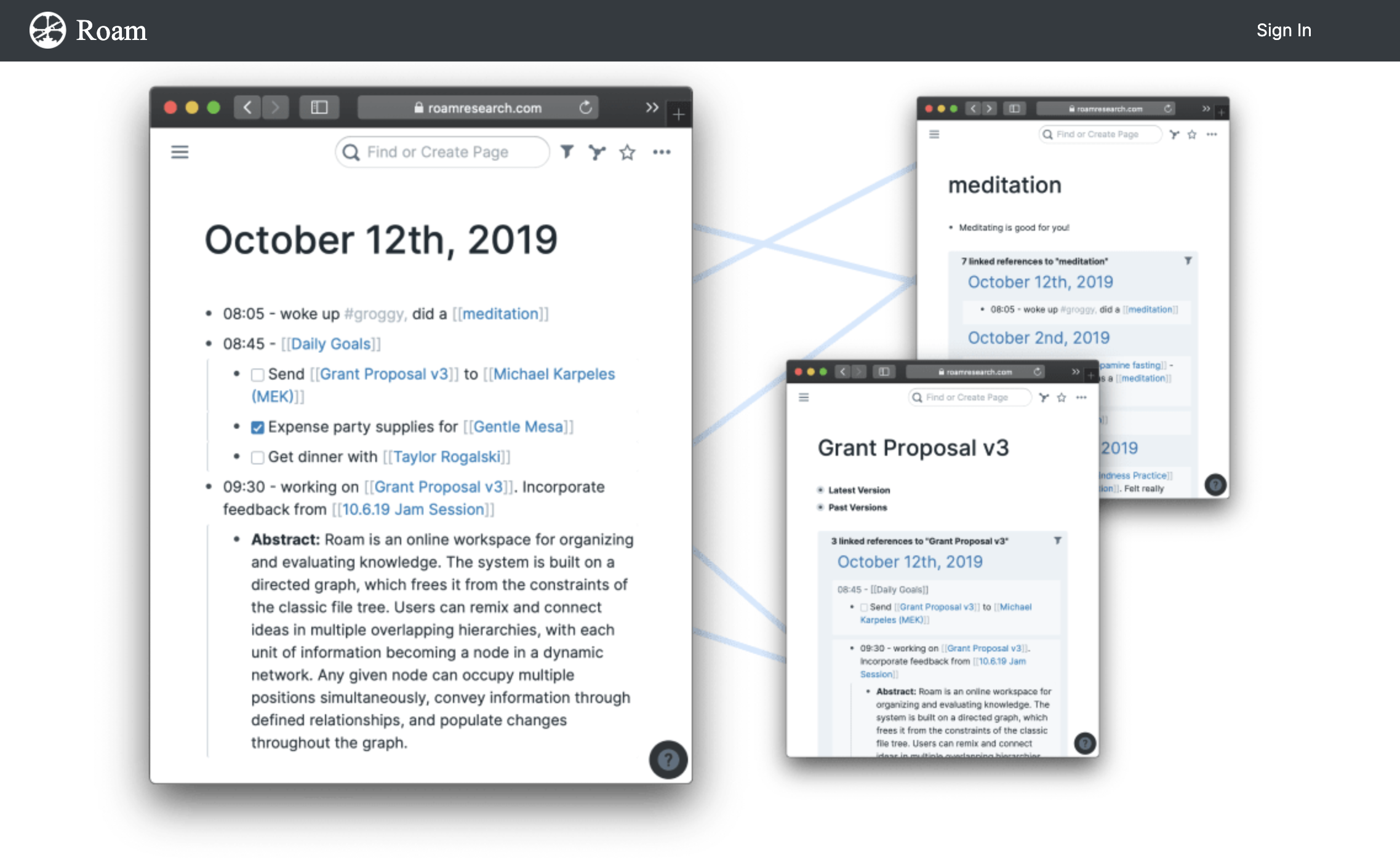
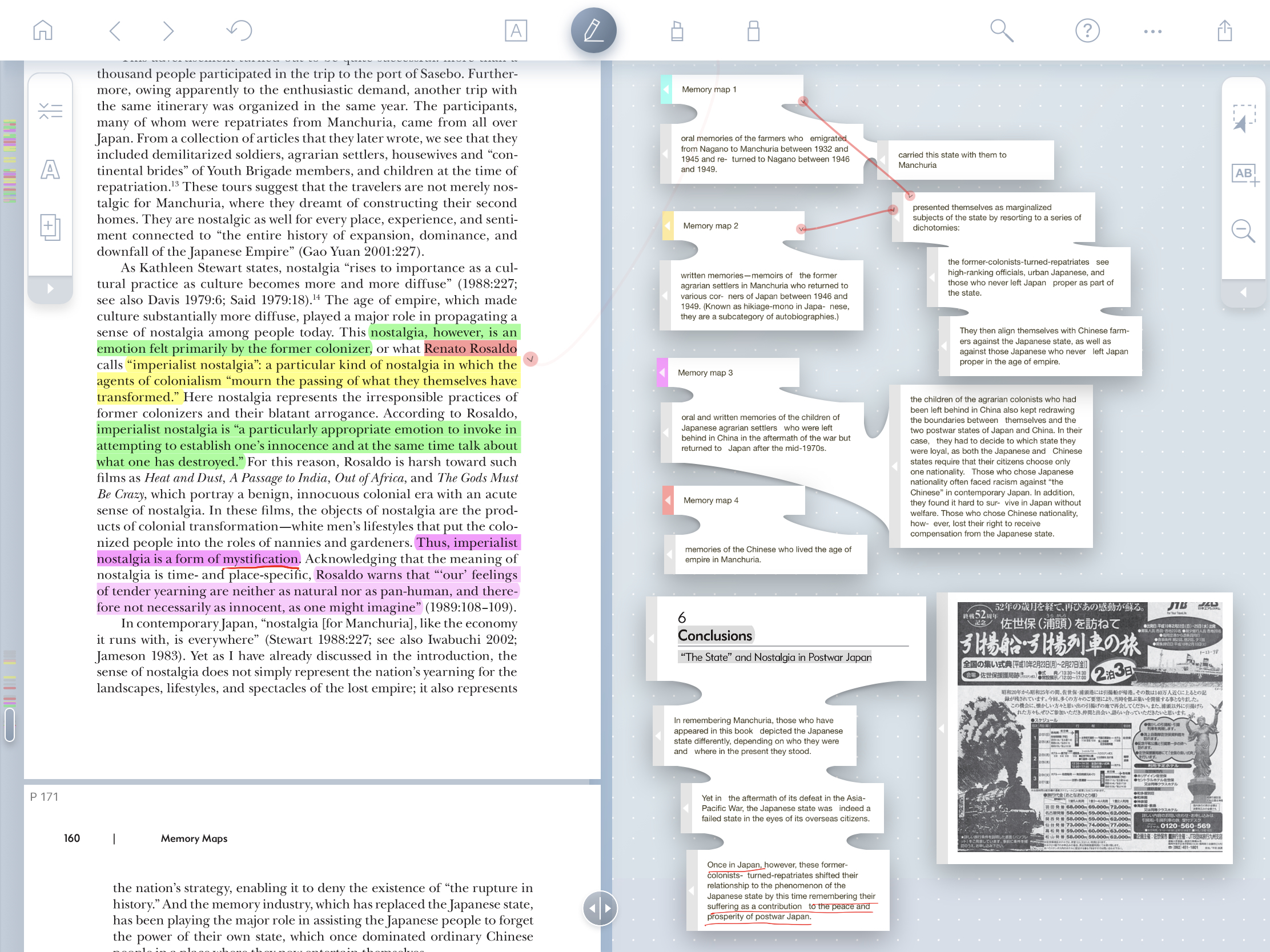
A while ago, I wrote a piece arguing that we, as researchers in the humanities, need a better system to…
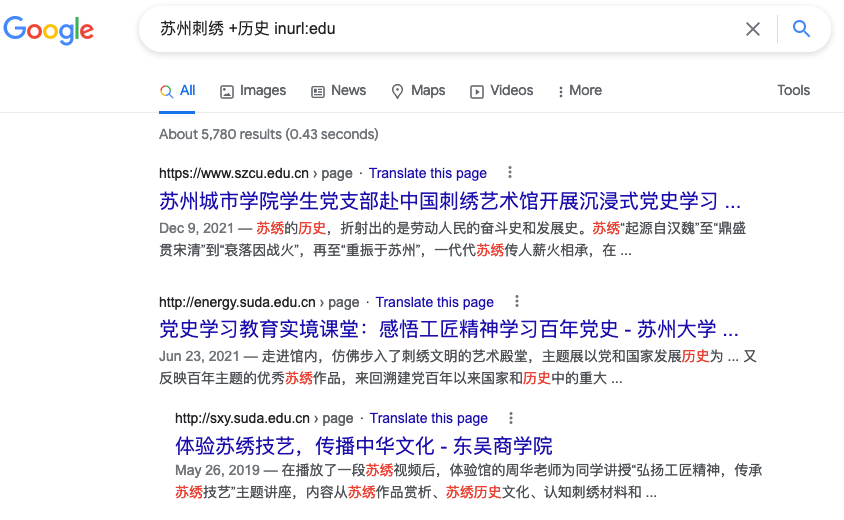
Search engine is perhaps one of the most frequently used tools in modern digital life, revealing whatever information that you…
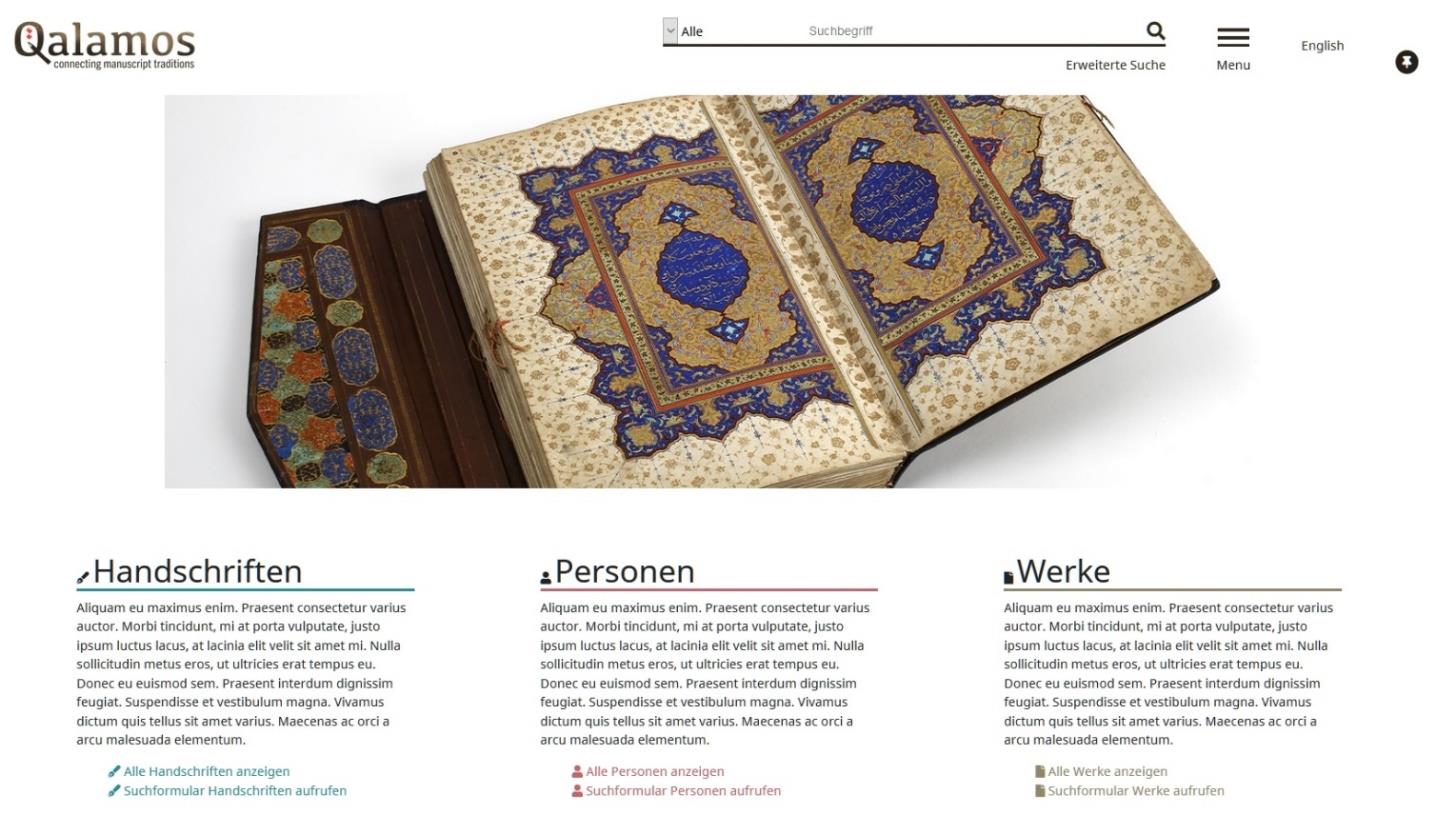
The new portal ‘Qalamos: connecting manuscript traditions’ provides metadata of oriental manuscripts from more than 25 collections in Germany. I…
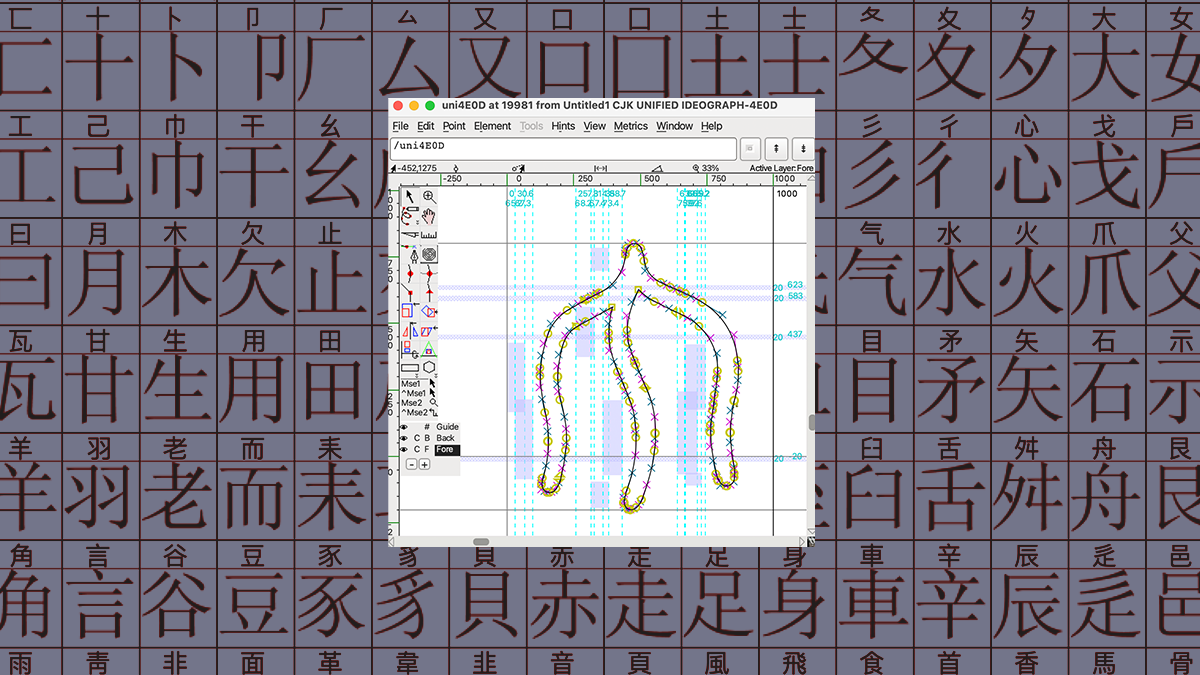
The headache of working with archaic Chinese orthographies Technologically, we scholars of the 21st century are spoiled. We sit at…
A while ago, I wrote a piece arguing that we, as researchers in the humanities, need a better system to…
This is the second part of the interview with Sarah Savant, Professor at the Aga Khan University–Institute for the Study…