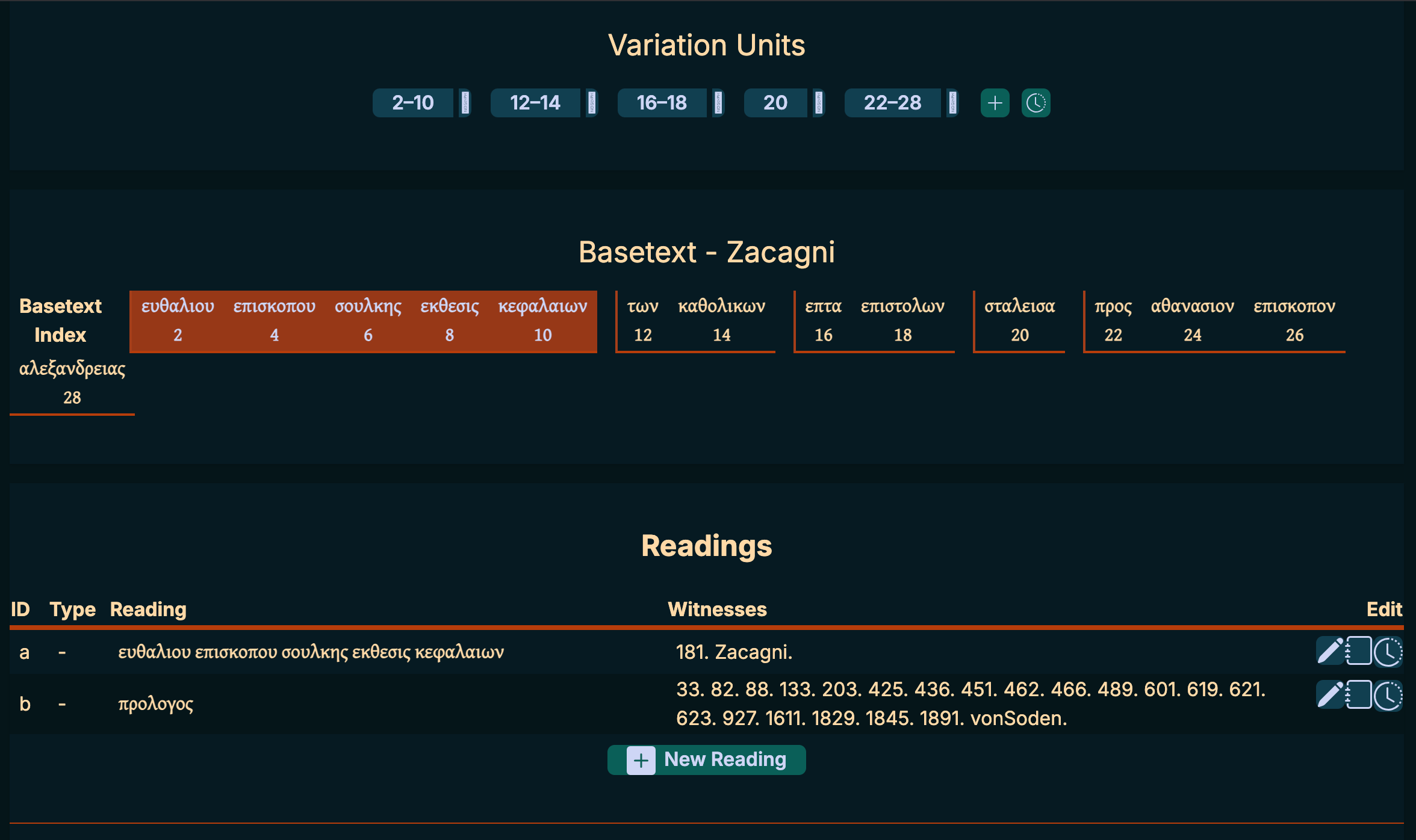
Analyzing Collation Files: Apatosaurus
In my last post, I explored how to collate TEI XML transcriptions of Greek New Testament manuscripts, yielding a TEI…
In my last post, I explored how to collate TEI XML transcriptions of Greek New Testament manuscripts, yielding a TEI…
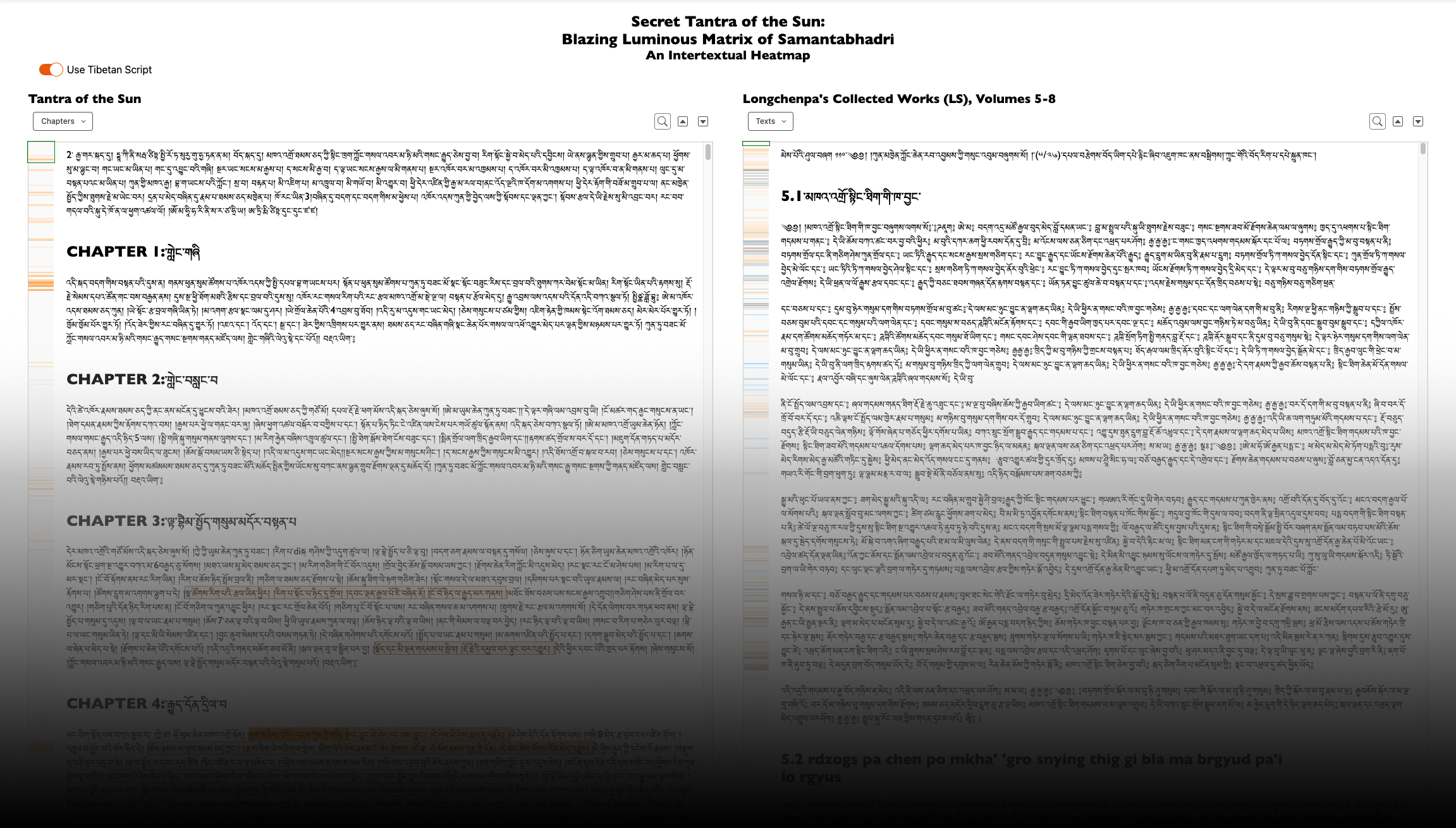
How do you map 14th-century Buddhist intertextuality? Stanford scholar Elaine Lai shares how she created a digital heatmap to visualize textual connections between the “Tantra of the Sun” and its commentaries, offering new insights into citation patterns and textual authority.
In March and May 2024, as a Training Fellow of the Centre of Data, Culture, and Society (CDCS) at the…
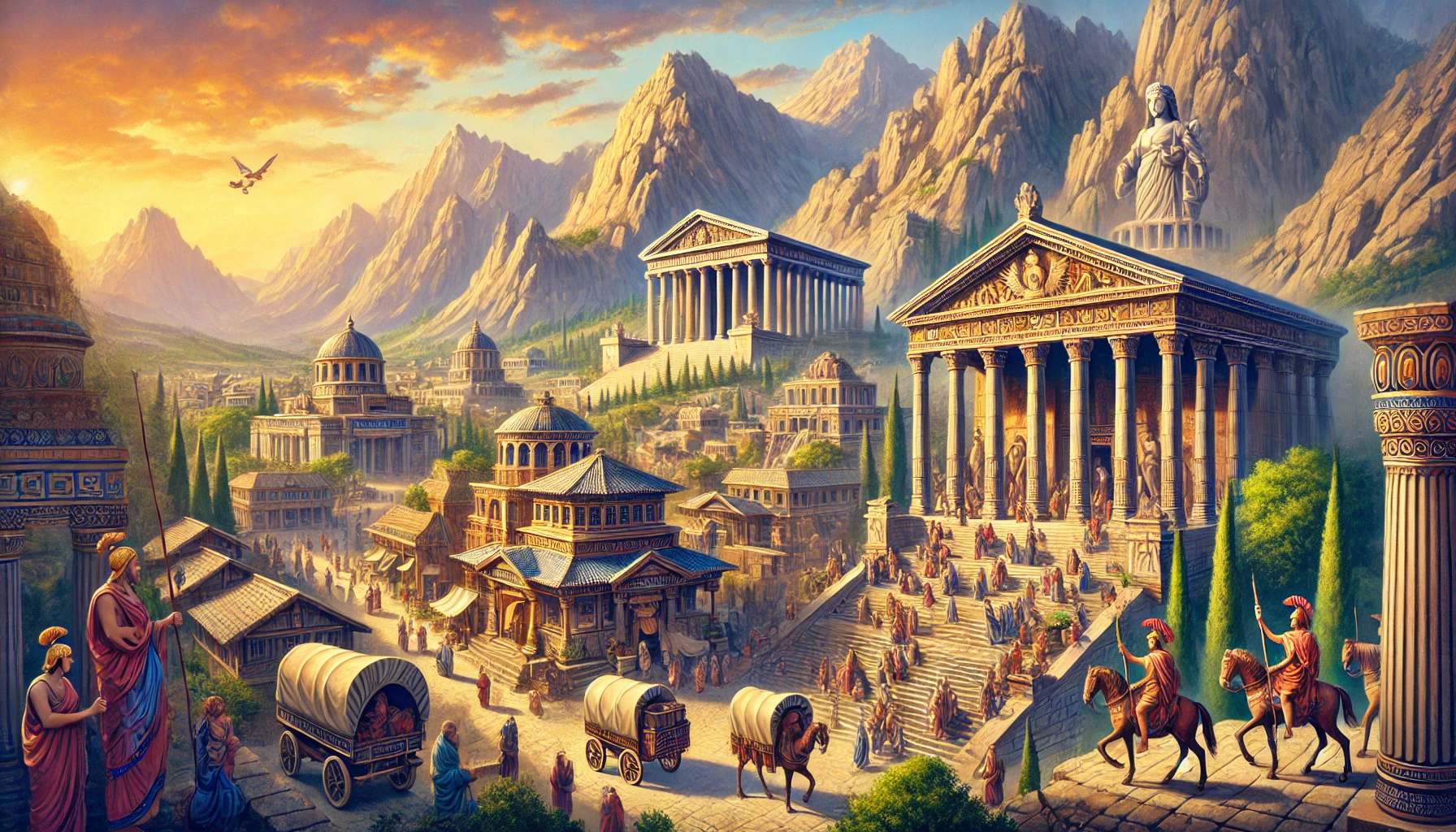
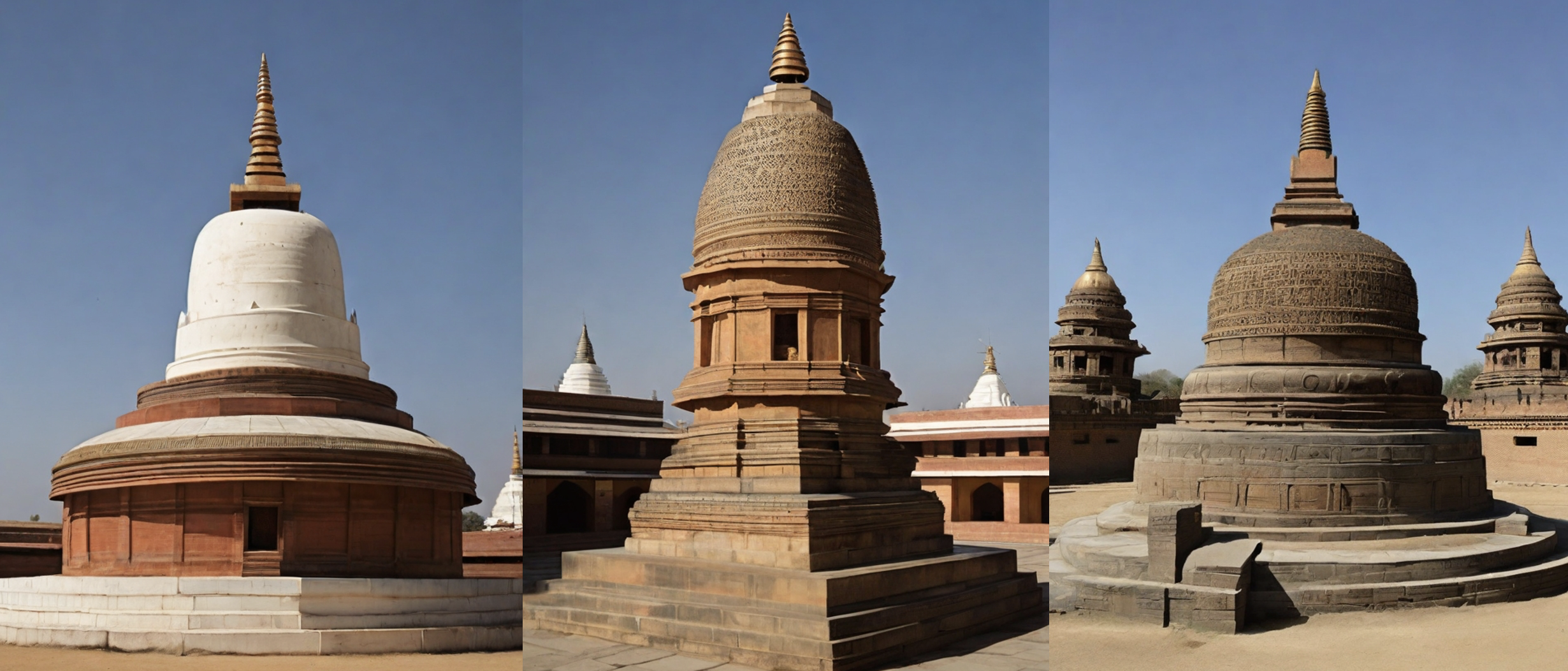
This is part one of a three-part series on the biases about the Hellenistic Central Asia in generative artificial intelligence (AI) datasets. The first and most glaring use of generative AI involving Hellenistic Central Asia is AI-generated imagery. The history of Hellenistic Central Asia, much like most genres of history, is illustrated through this medium with very little regulation.
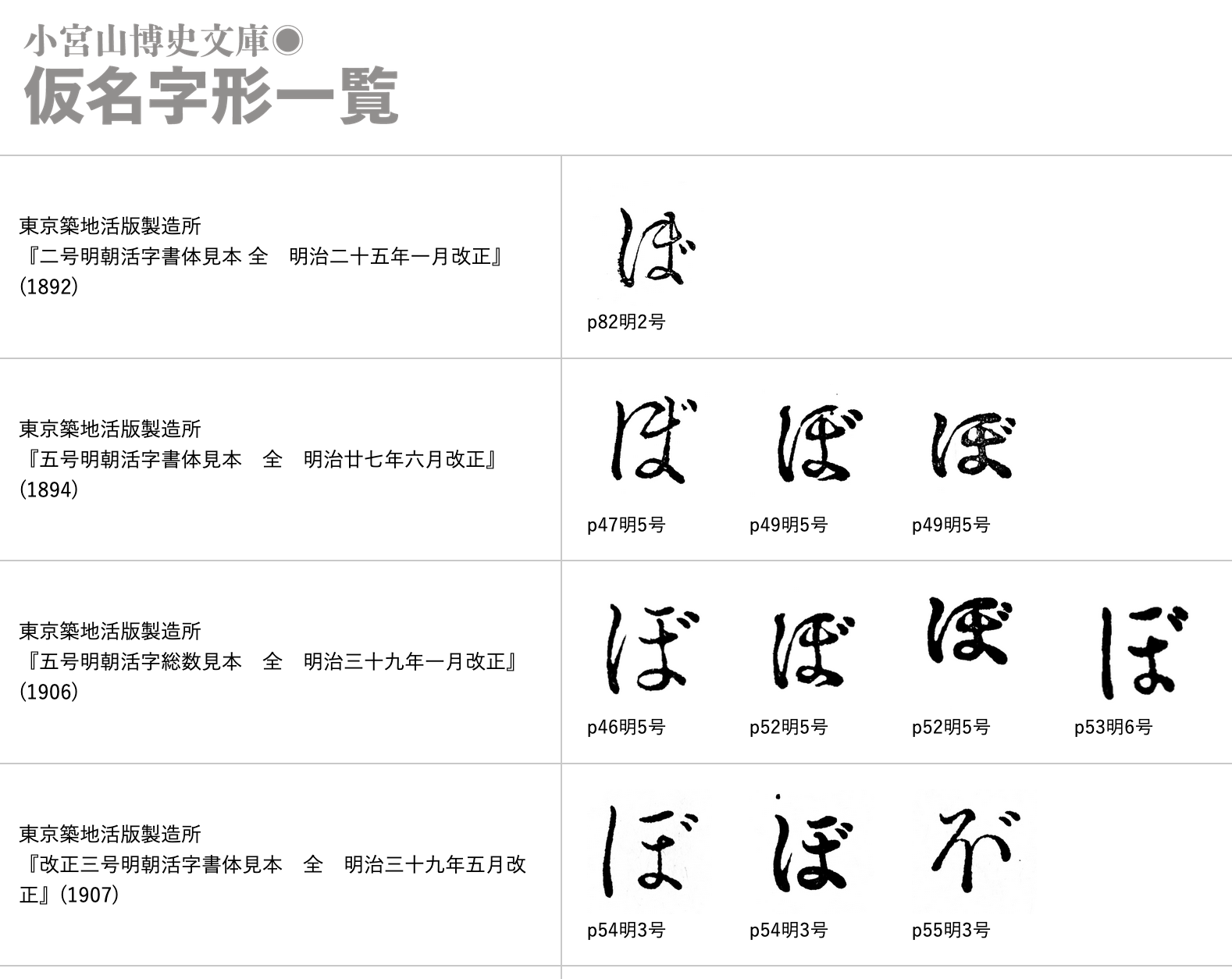
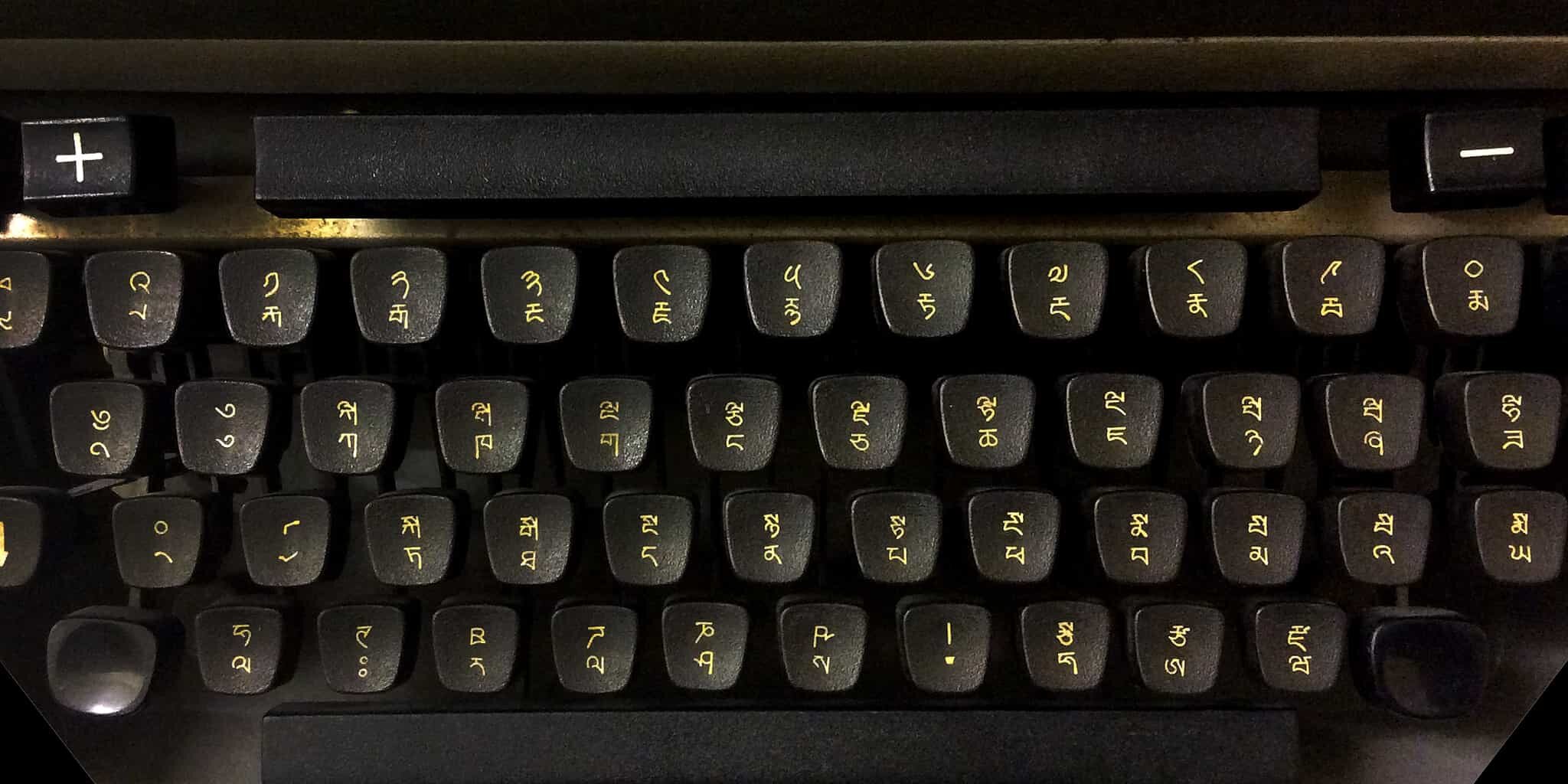
During the DNP Foundation for Cultural Promotion: Graphic Culture Research Grant’s annual research report meeting in November 2023, I had…
This is a guest post by Erica Biagetti In my first post as a guest contributor to the Digital Orientalist, I…
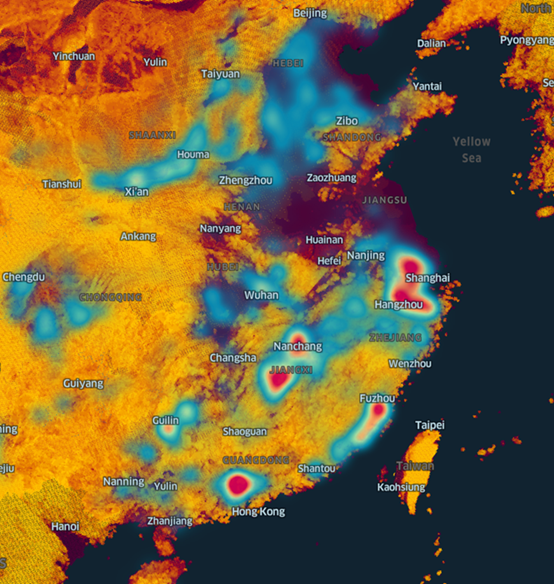
This is a guest post by Jiajun Zou. See bio at the end of this post. Part I Tianyige Ming…
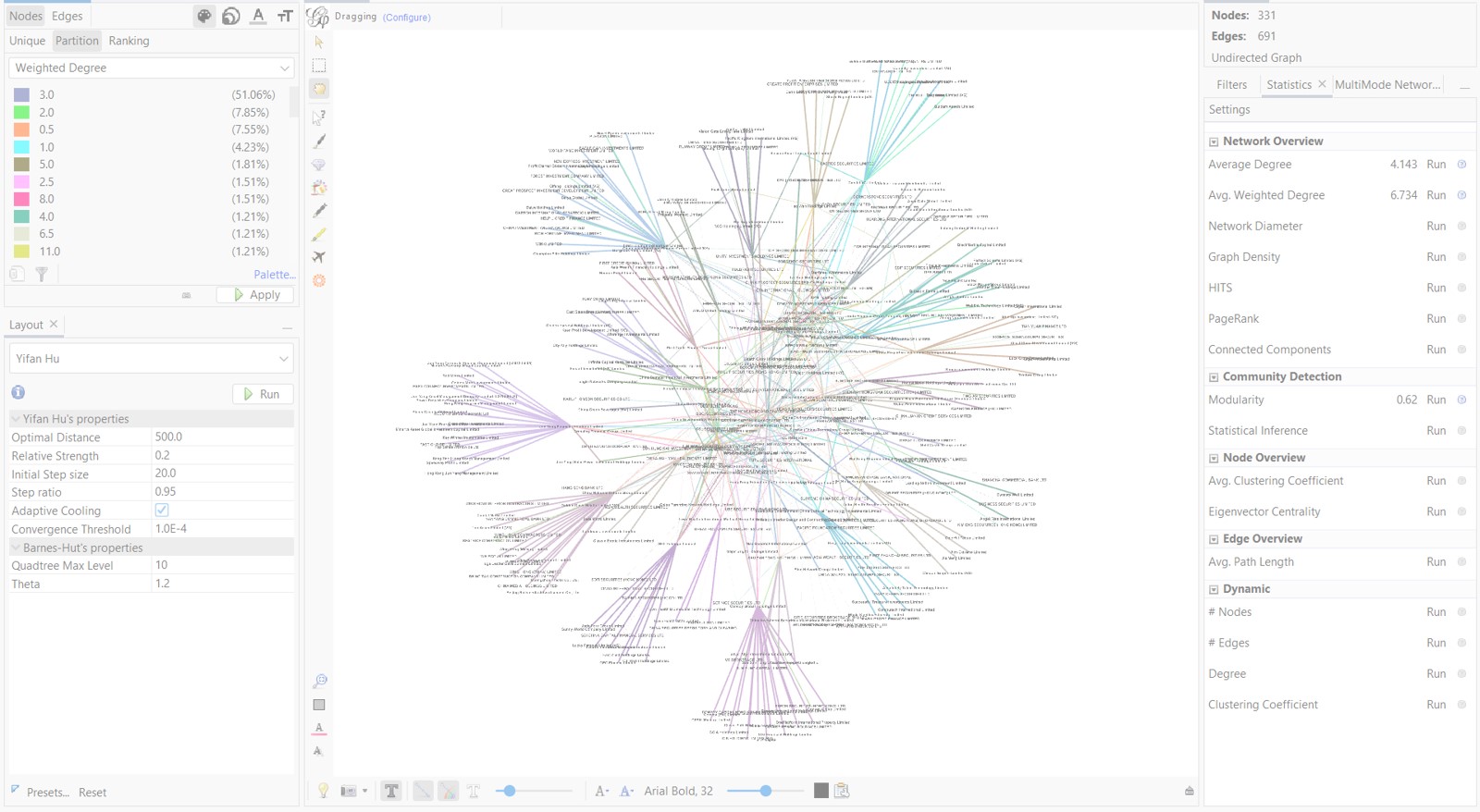
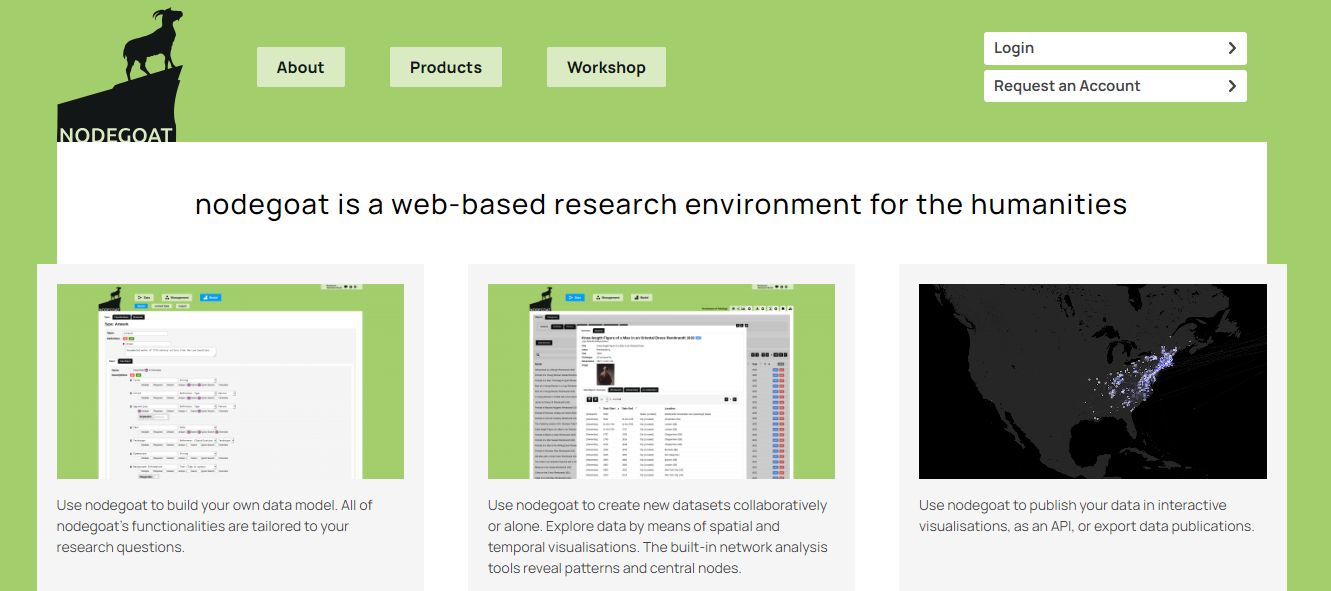
This is a guest post by Özge Eda Kaya (@ozgedakaya on Twitter/X). Nodegoat is a web-based research application framework developed…
I want to start with some general questions that many Digital Orientalist contributors will have asked themselves privately or in…
When AI image generator services were opened to the public on the vast web in 2021, they quickly became viral…