CFA: Join the DO Team 2025/26
The Digital Orientalist is pleased to announce its annual open call for editors, contributors, and team members for the 2025-2026 academic…
The Digital Orientalist is pleased to announce its annual open call for editors, contributors, and team members for the 2025-2026 academic…
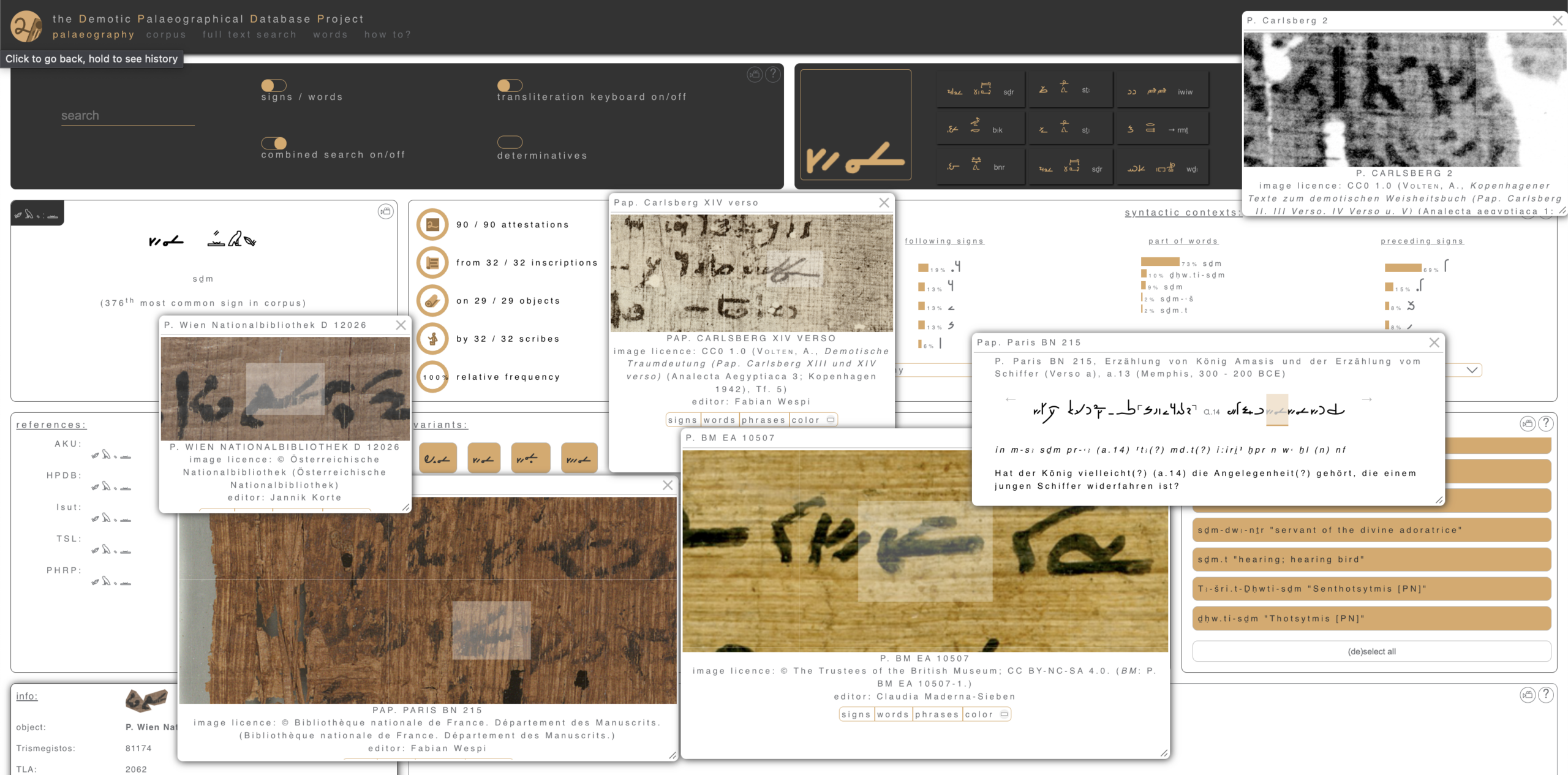
In my previous discussion, I examined AKU-PAL, the palaeographical database for hieratic script among ancient Egyptian writing systems. This article…
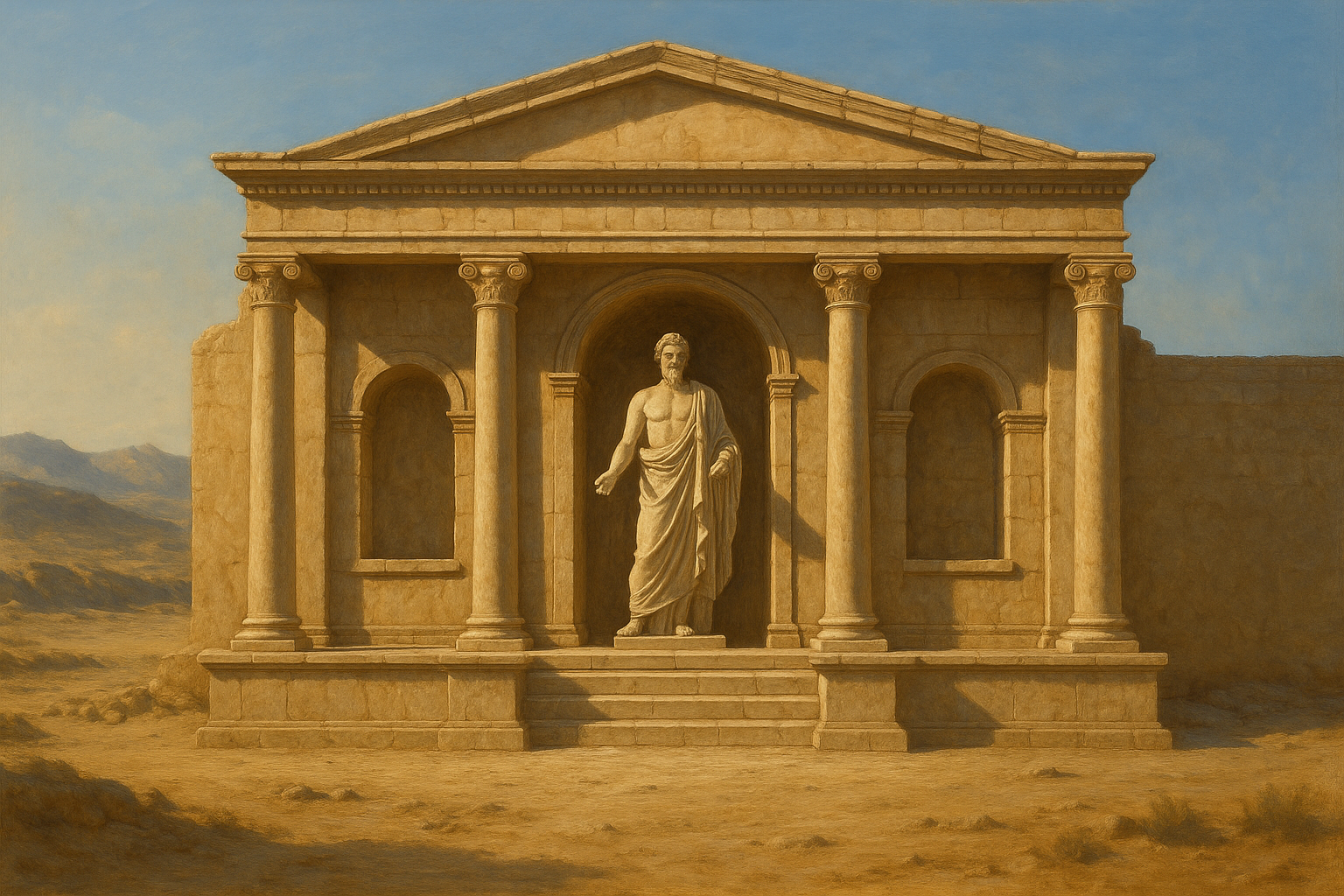
This is part three of a three-part series on the biases about Hellenistic Central Asia in generative artificial intelligence (AI) datasets. In this final part, I planned to discuss how Hellenistic Central Asia was biased in conversational AI models, such as ChatGPT 4o and Gemini 1.0, but newer “Deep Research” functions have since replaced and exponentially increased the capabilities of those legacy models.
In her essay “Why Are the Digital Humanities So White? or Thinking the Histories of Race and Computation,” Tara McPherson…
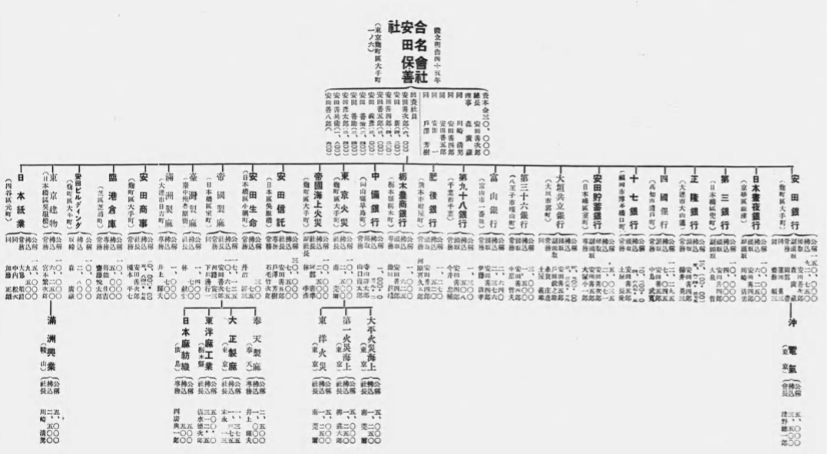
Part 1 can be read here. The Zaibatsu had dominated Japanese business and industry for decades before WWII. They monopolised…
This post was written together with Sai Deng (Metadata Librarian, University of Central Florida) and Lihong Zhu (Head of Library…
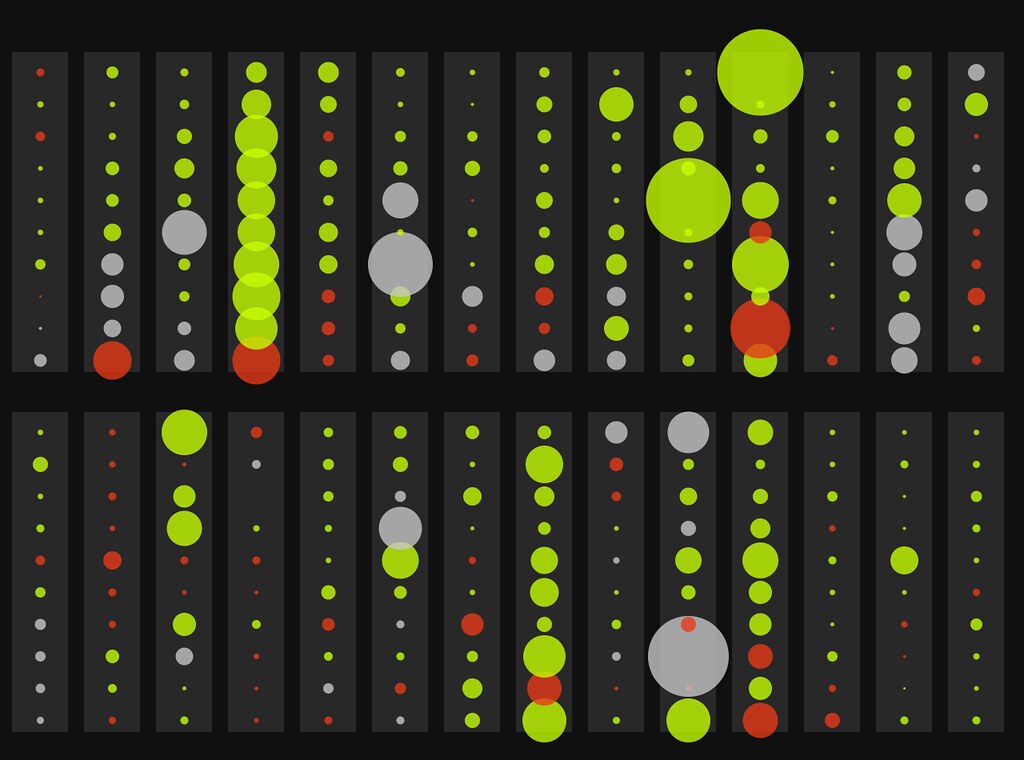
One of the biggest challenges of working with large (and often incomplete) collections of data lies in how best to…
This is a guest post by Rose Ting-Yi Conference slides can be viewed here On March 3rd, 2025, I hosted a…
While not readily apparent, the New Testament Virtual Manuscript (NTVMR) room has an API that is publicly accessible. An API,…
Introduction The first article of this series explored recent advances in the digital study of Arabic script in France in…