‘READ Workbench (part 2): Digital Repatriation, Pedagogy and Transnational Heritage’
Introduction: The READ Workbench and its Potential The READ (‘Research Environment for Ancient Documents’) Workbench, originally designed for interpreting and…
Introduction: The READ Workbench and its Potential The READ (‘Research Environment for Ancient Documents’) Workbench, originally designed for interpreting and…
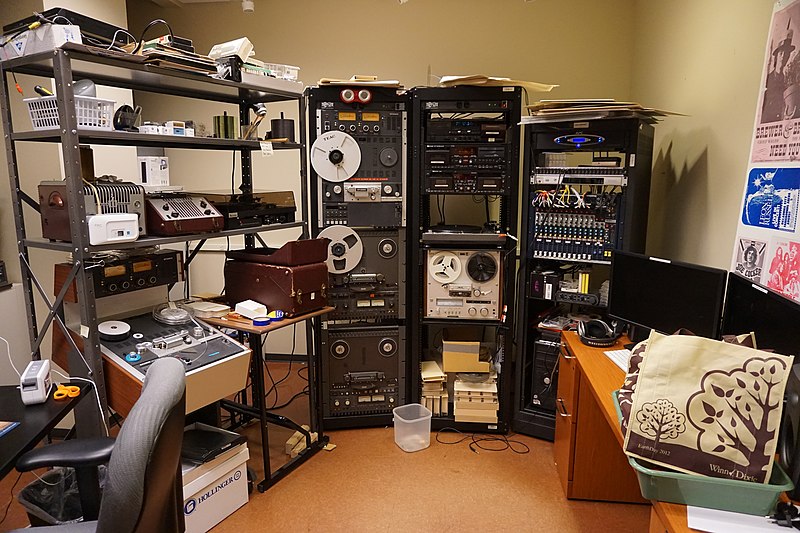
Since 2006, the French linguist community has had a tool for depositing the sound sources that document the world’s linguistic…
The technology of Natural Language Processing (NLP) identifies named entities, which are words or phrases referring to specific people, places,…
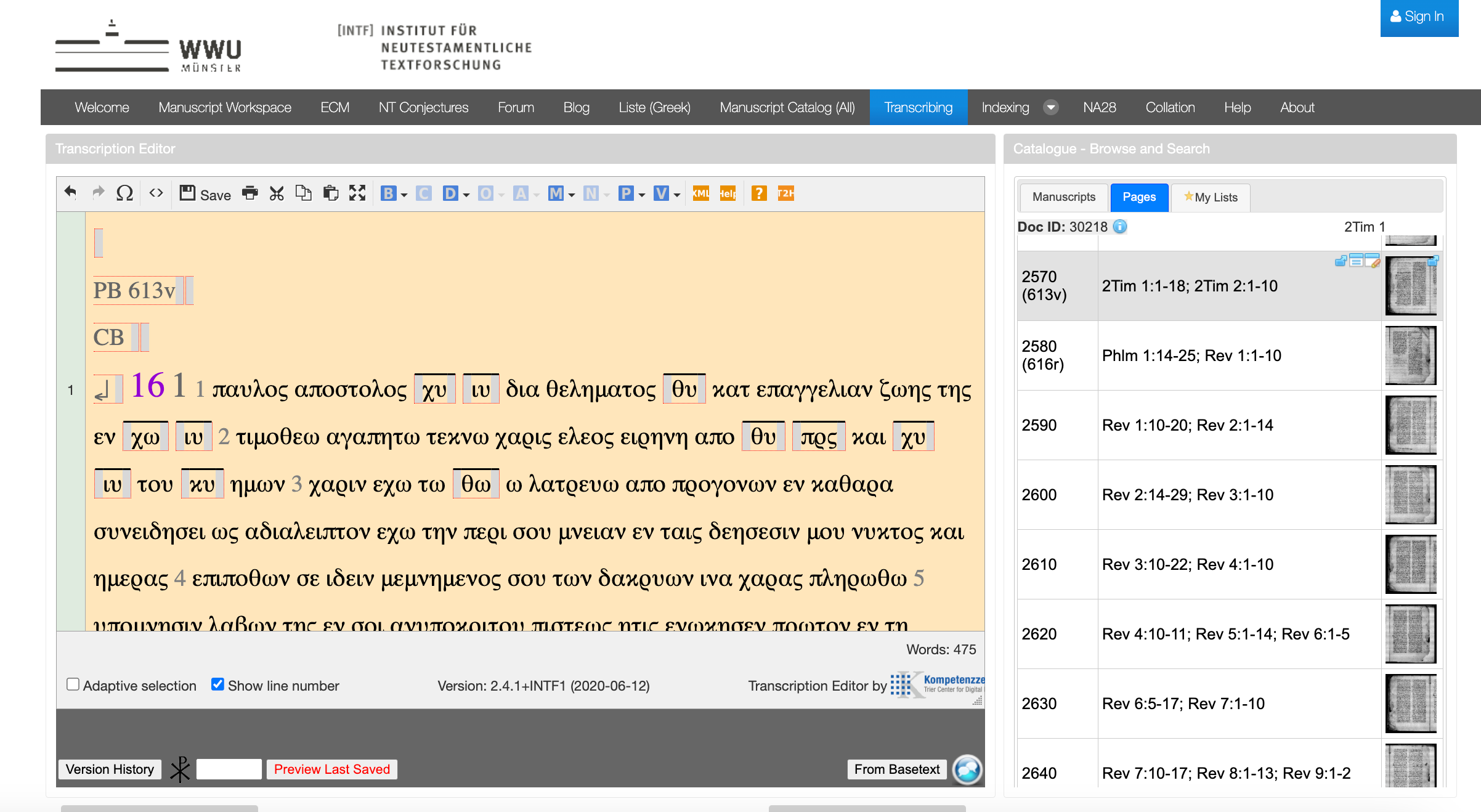
In my previous post on how to use the New Testament Virtual Manuscript Room (NTVMR), I walked through the process…
Knight Lab, produced by Northwestern University, is a community of designers, developers, students, and educators working on experiments designed to…
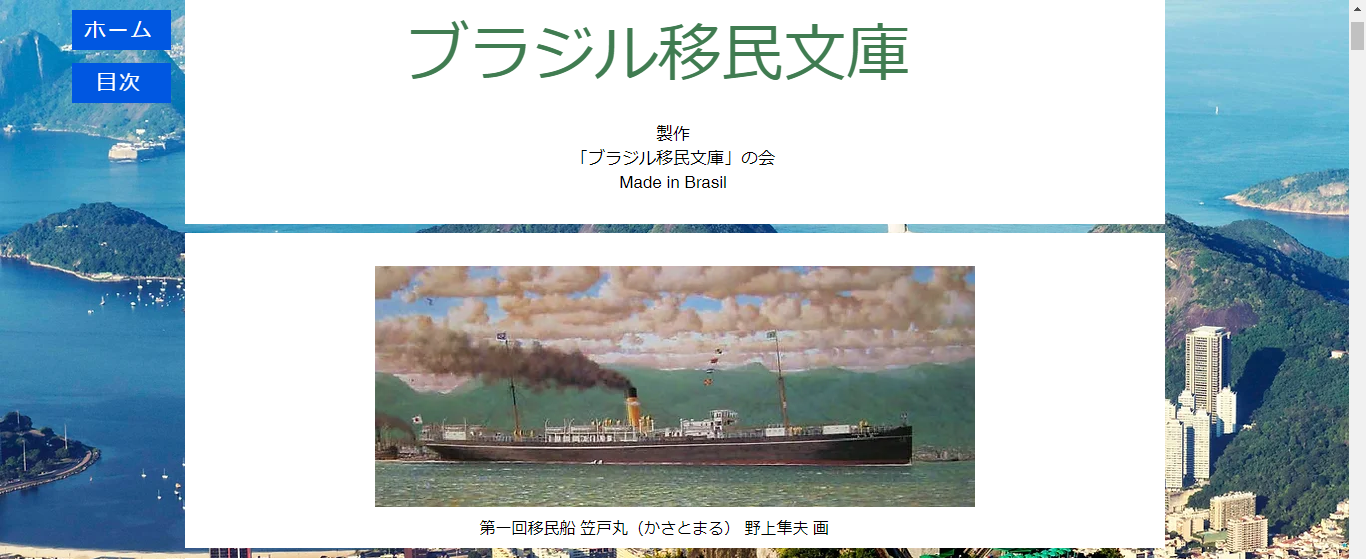
Recently, a new project aiming at collecting and publicizing documents and books related to nikkei (descendants of Japanese emigrants) in…
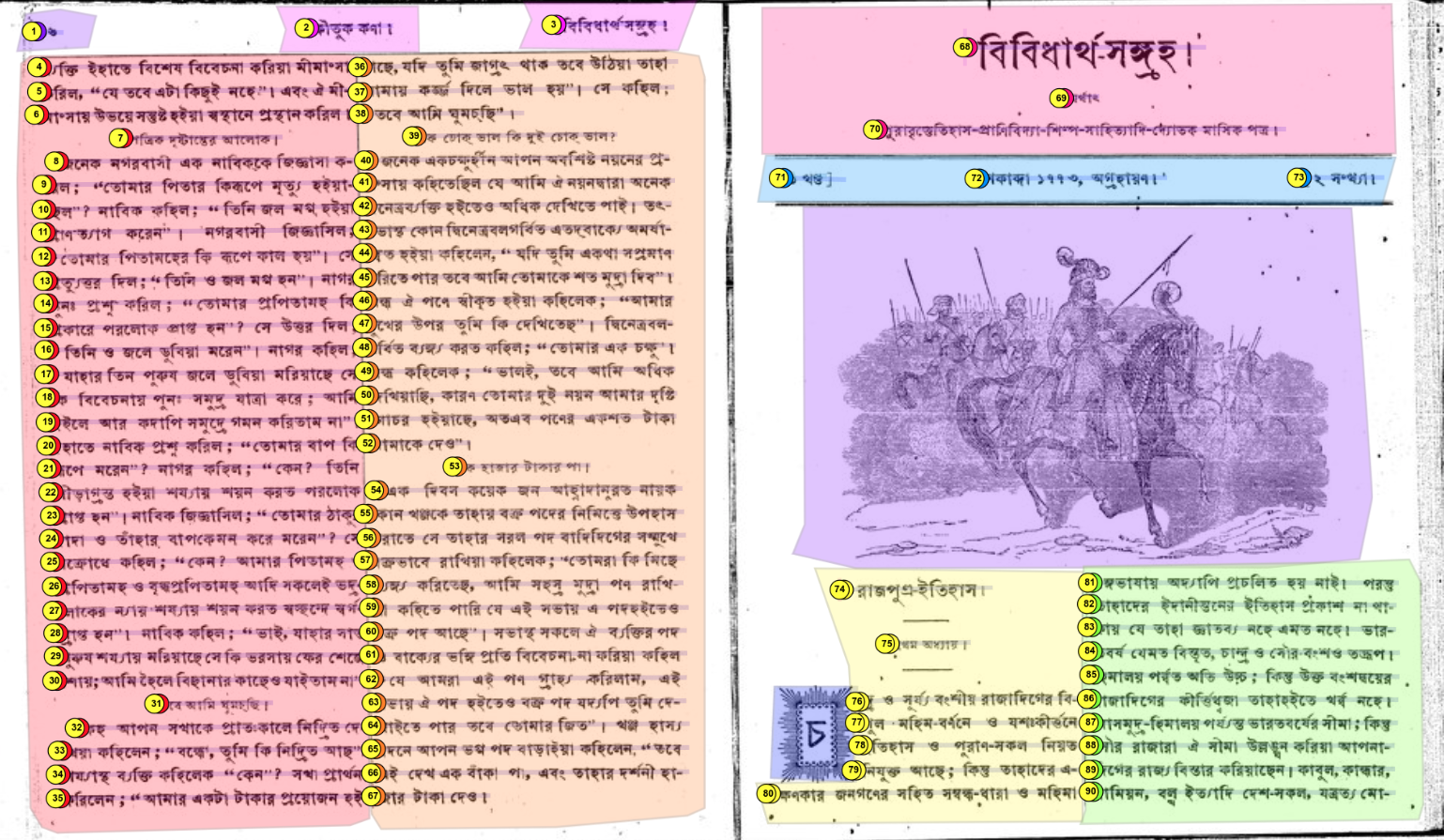
OCR of historical printing in Bengali using segmentation and recognition models trained in Kraken from an annotated dataset of Bengali texts published between 1860 and 1940.
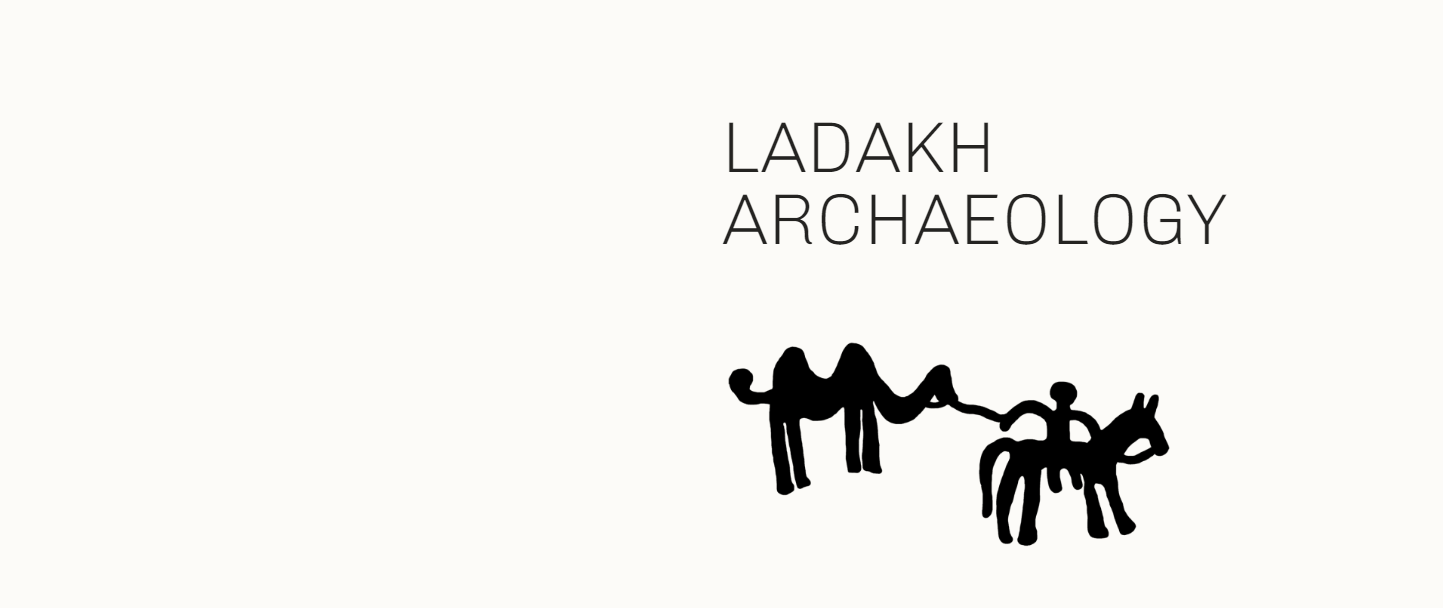
In January 2023, Ladakh Archaeology was launched. This is to date the largest database on the heritage of Ladakh, located…
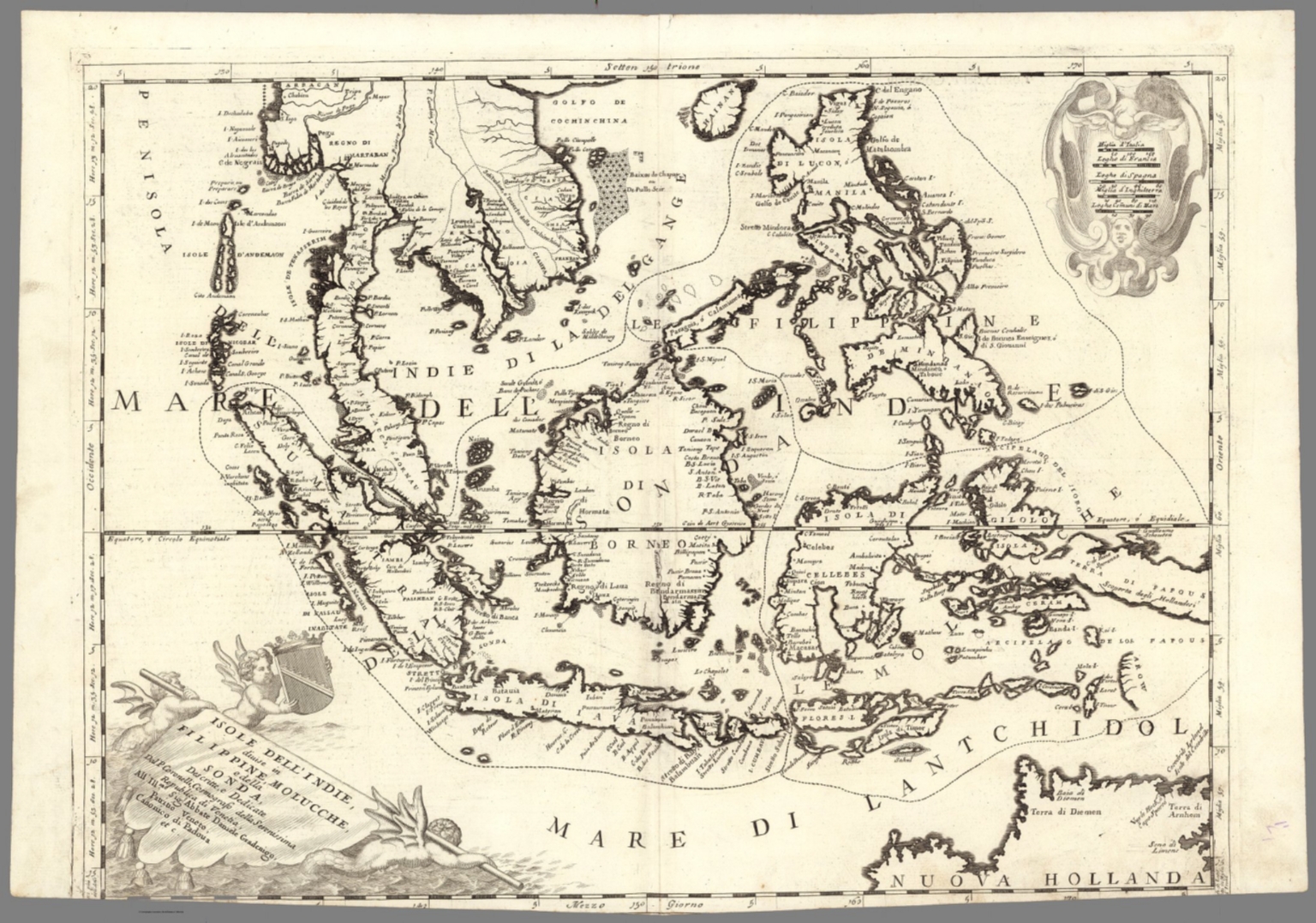
This is guest post by Mark Boersma. Recently I came across a website of a project on manuscripts from Southeast…
Greg Paulson has already written a very helpful introduction to the New Testament Virtual Manuscript Room (NTVMR) as a guest…