Education and Technology: Understanding History through Anime Productions
This guest post was written by Virgine Borges de Castilho Sacoman (UNISINOS). Learn more about her work here. Since I…
This guest post was written by Virgine Borges de Castilho Sacoman (UNISINOS). Learn more about her work here. Since I…
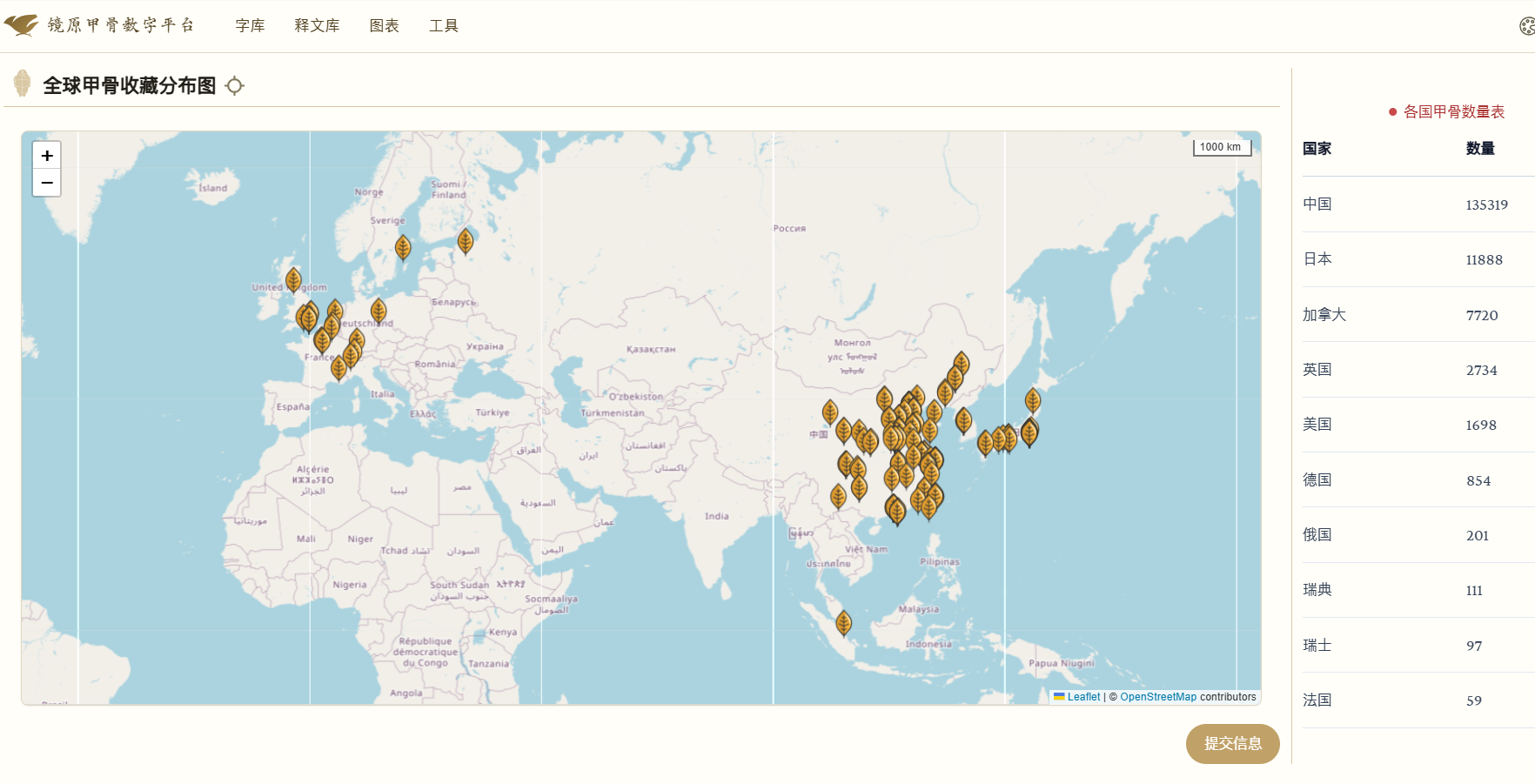
This is a guest post by Peichao Qin | University of Cambridge. In my earlier post, I introduced my newly launched “Jingyuan Digital…
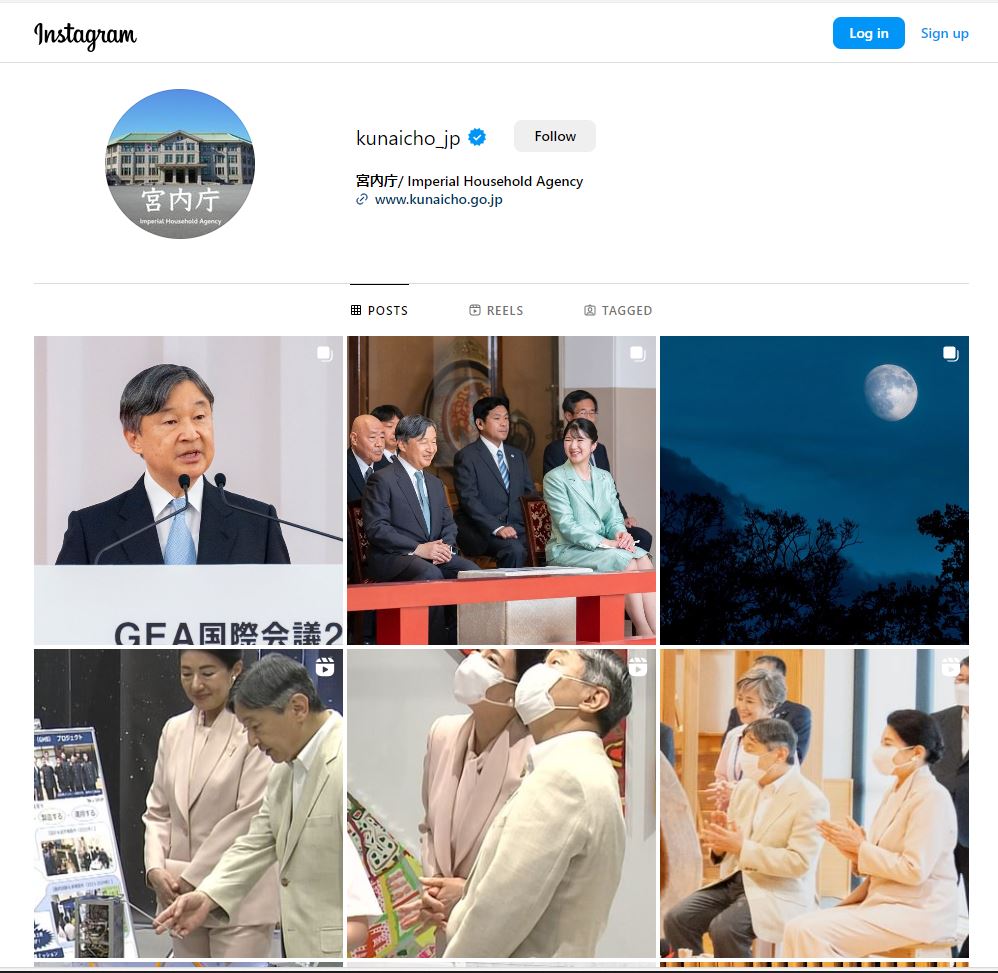
The Imperial Household Agency is the government administrative body with jurisdiction over the Imperial Family of Japan. It is also…
Recent years have witnessed a wave of fascinating research findings in both natural and artificial intelligence. While scholars remain cautious…
TEI (text-encoding initiative) is a digital humanities method that enriches plain text transcriptions using .xml tags. It is most commonly…
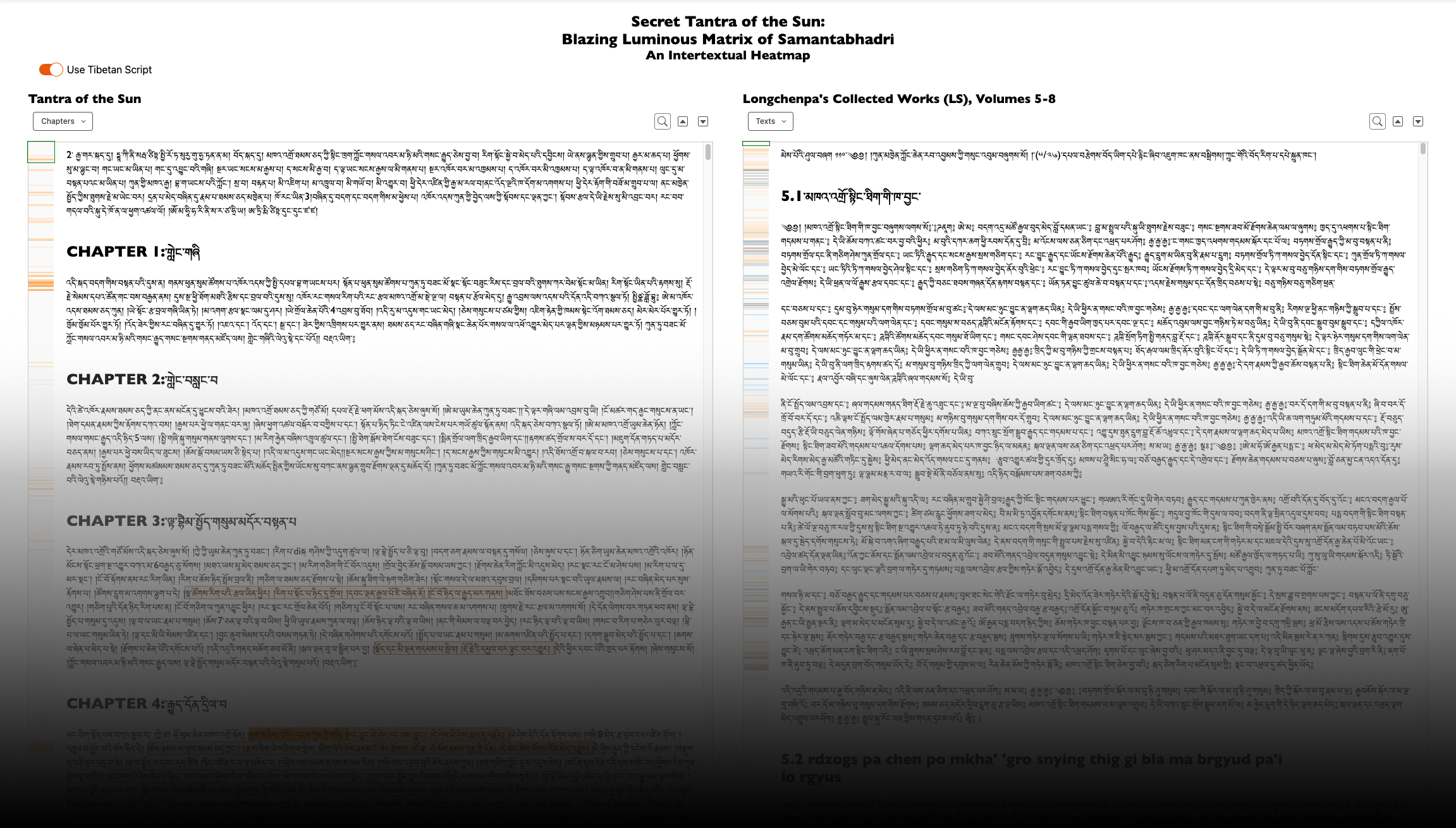
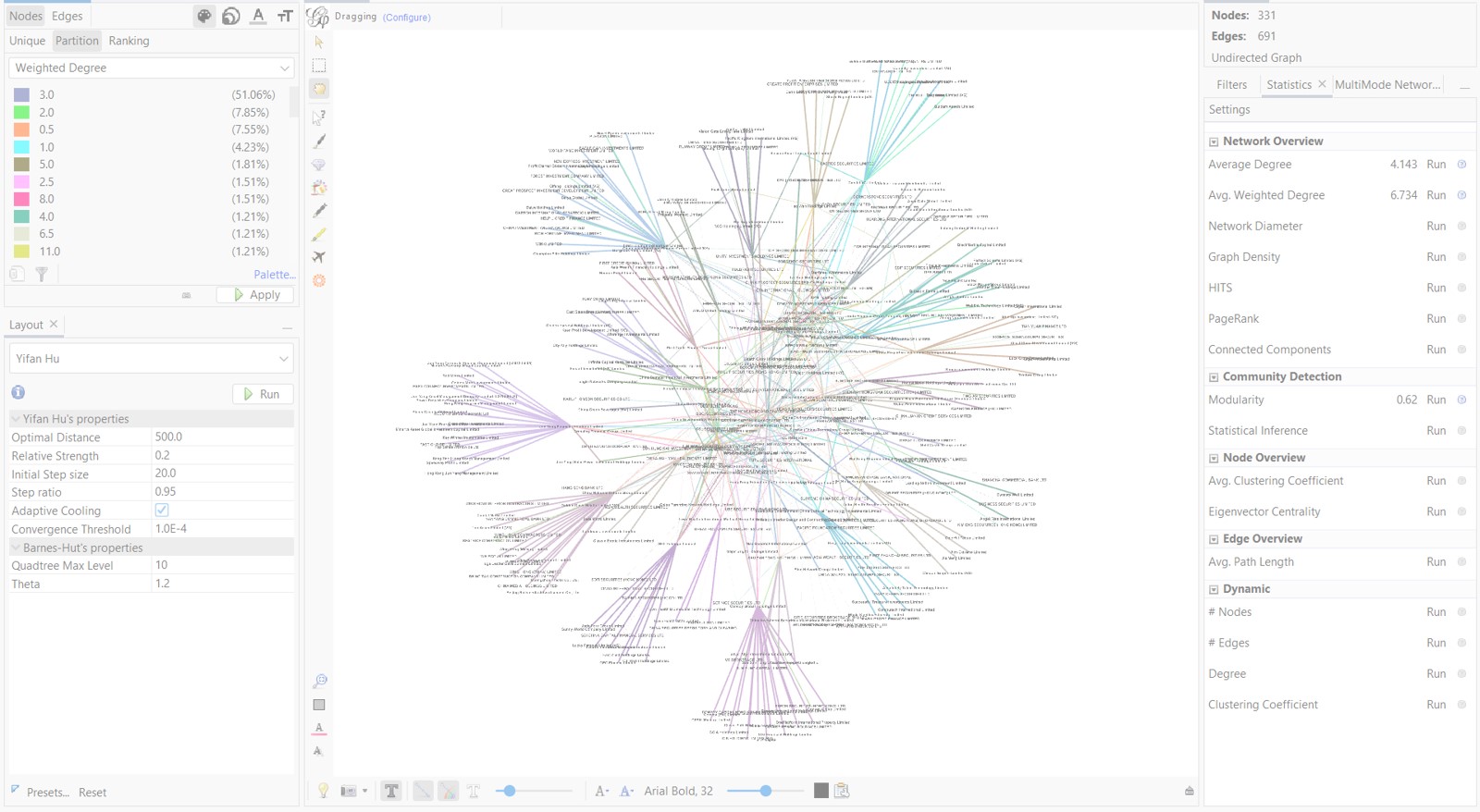
How do you map 14th-century Buddhist intertextuality? Stanford scholar Elaine Lai shares how she created a digital heatmap to visualize textual connections between the “Tantra of the Sun” and its commentaries, offering new insights into citation patterns and textual authority.
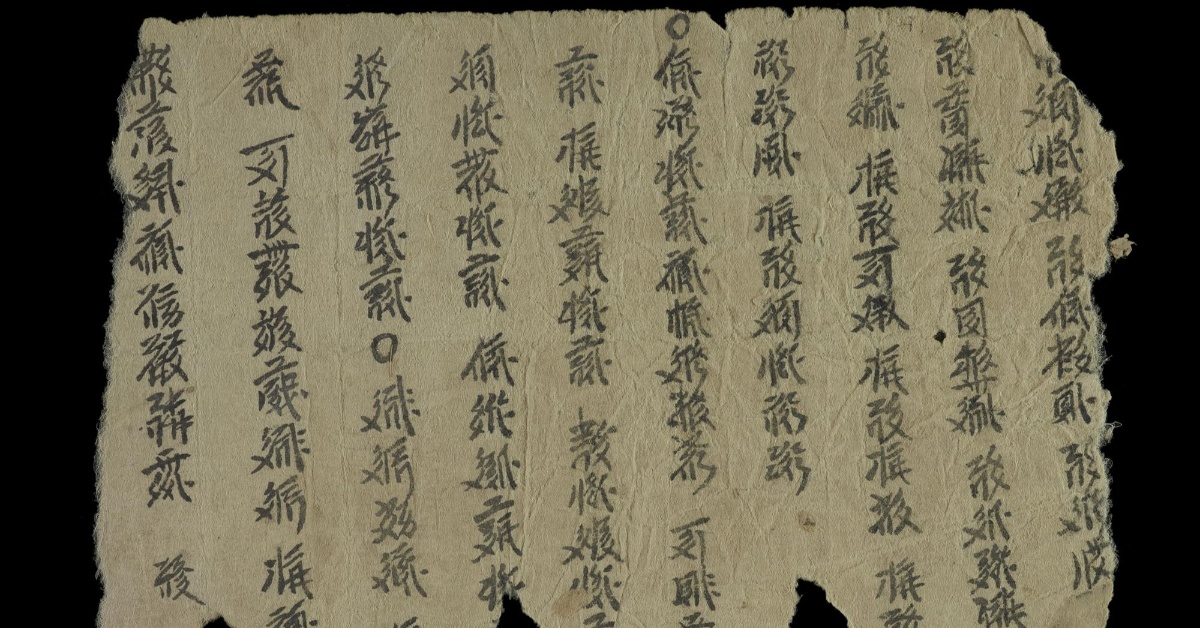
This is a guest post by Enfu Zhang. See author bio at the end of the page. As the Tangut…
In March and May 2024, as a Training Fellow of the Centre of Data, Culture, and Society (CDCS) at the…
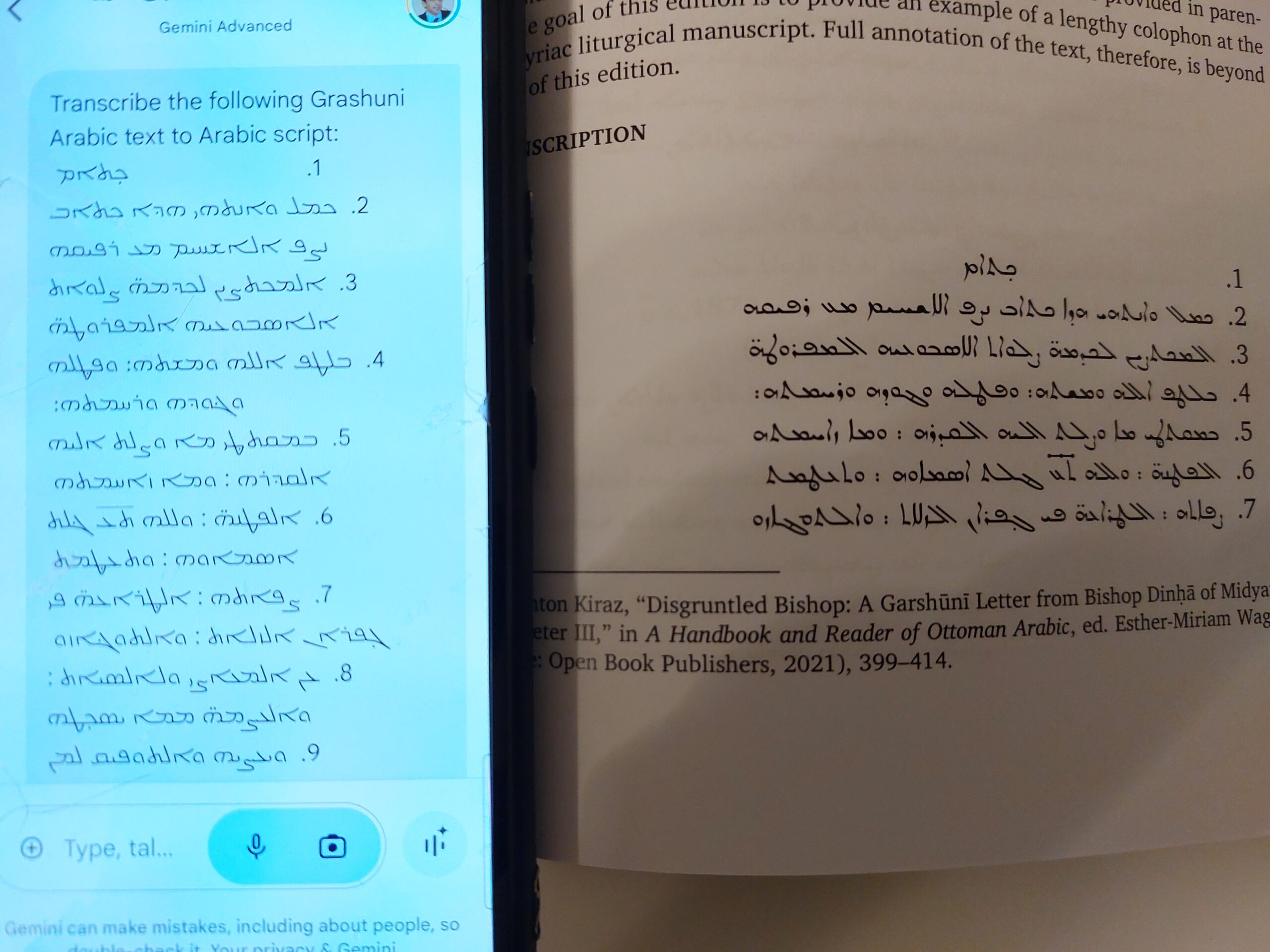
The recent rise of Artificial Intelligence (AI) chatbots like Gemini has opened up exciting new possibilities for interacting with and…
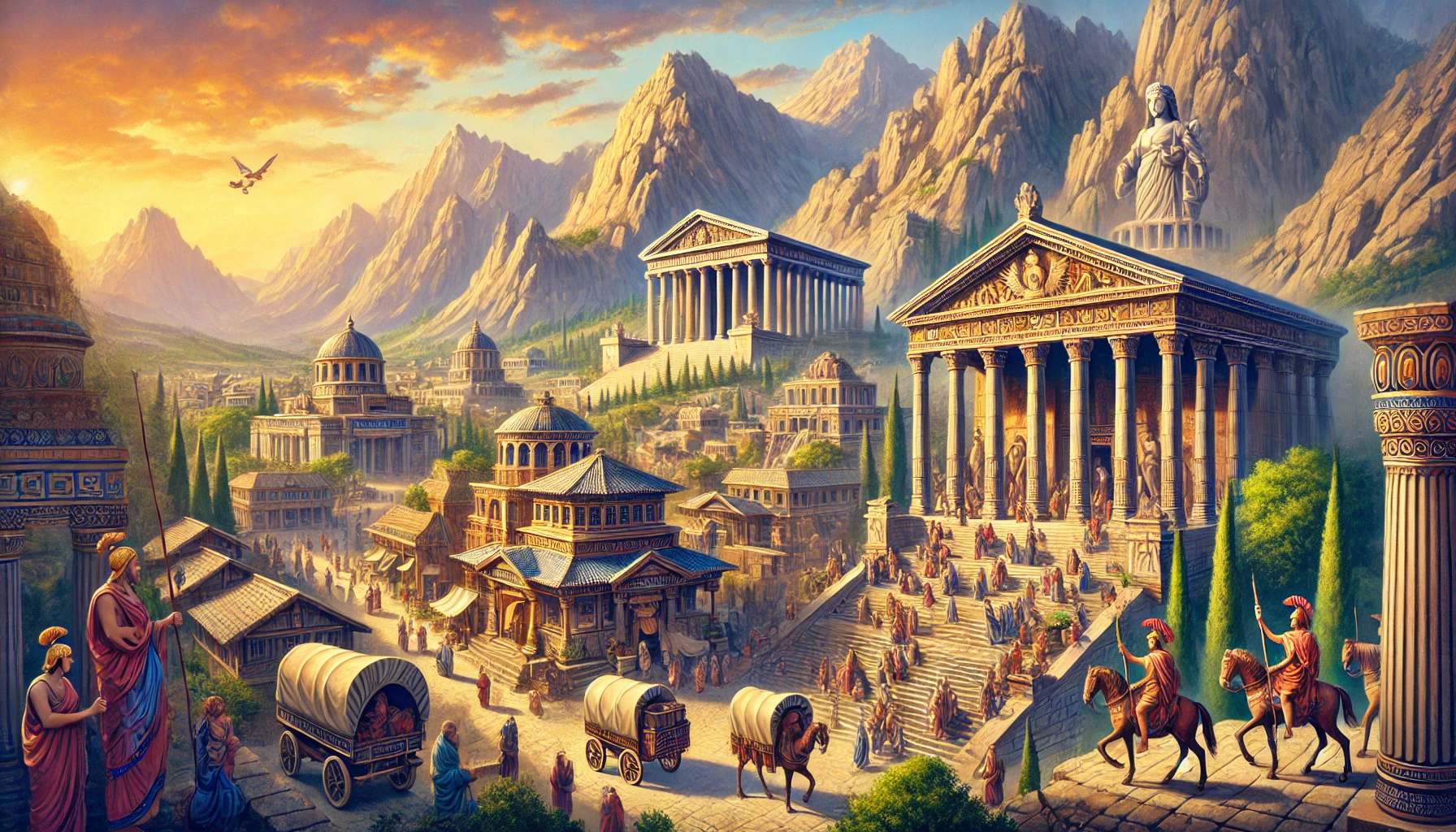
This is part one of a three-part series on the biases about the Hellenistic Central Asia in generative artificial intelligence (AI) datasets. The first and most glaring use of generative AI involving Hellenistic Central Asia is AI-generated imagery. The history of Hellenistic Central Asia, much like most genres of history, is illustrated through this medium with very little regulation.