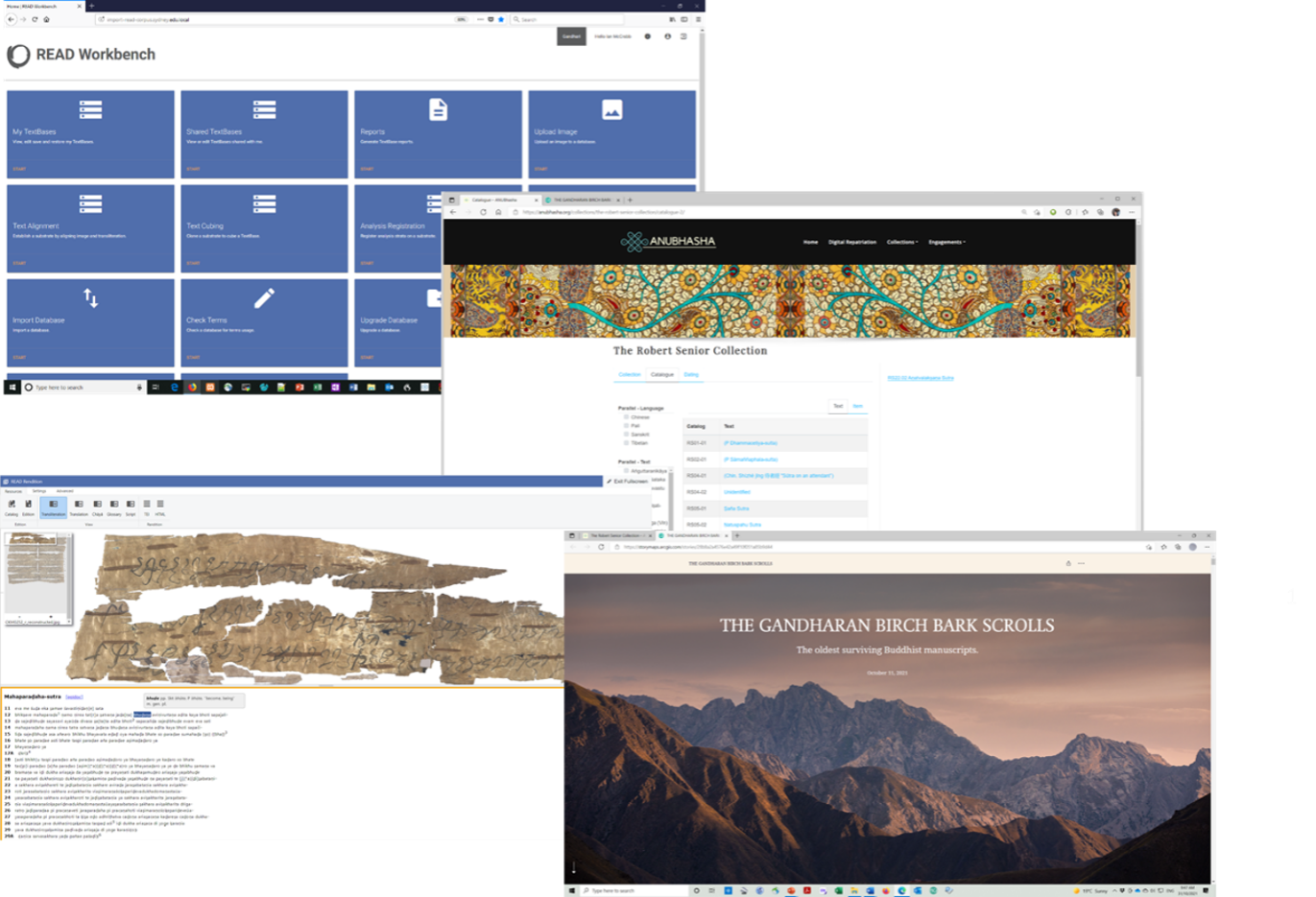
READ Workbench (Part 1): An Introduction to a Text and Image Annotation Ecosystem
The ‘Research Environment for Ancient Documents’ (or ‘READ‘) is an ecosystem of open-source tools and platforms for the creation of…
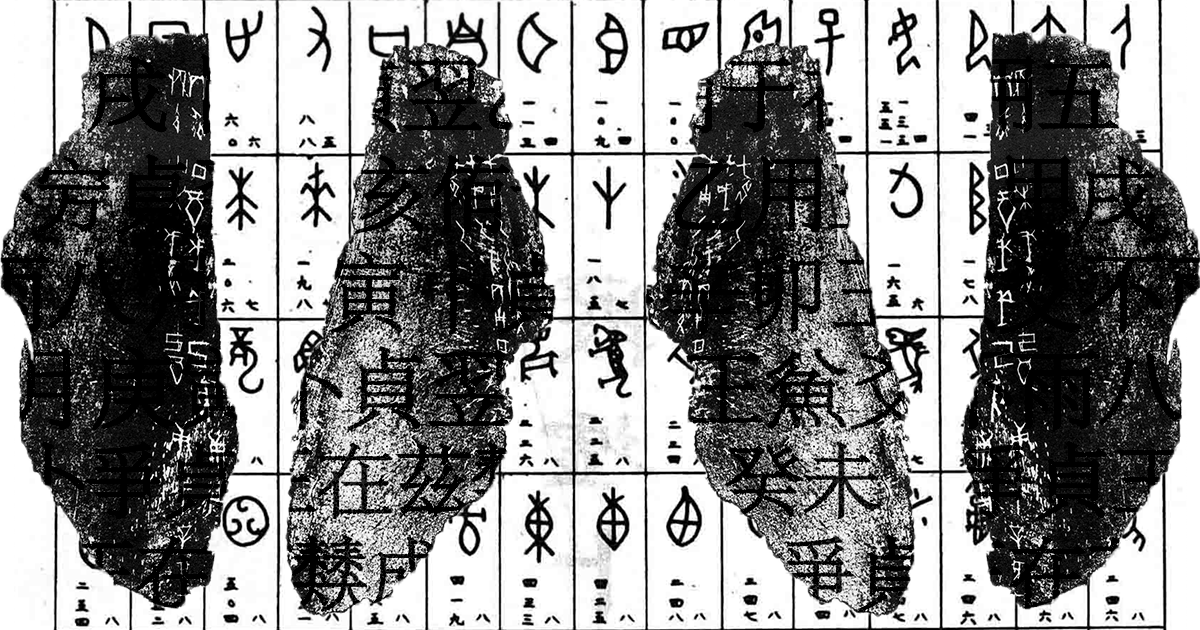
Introduction: In April, the Zhonghua Book Company (中華書局) launched the (subscription-only) Yinxu Oracle Bone Inscription Digital Database 殷墟甲骨文數據庫 (YOD), containing…
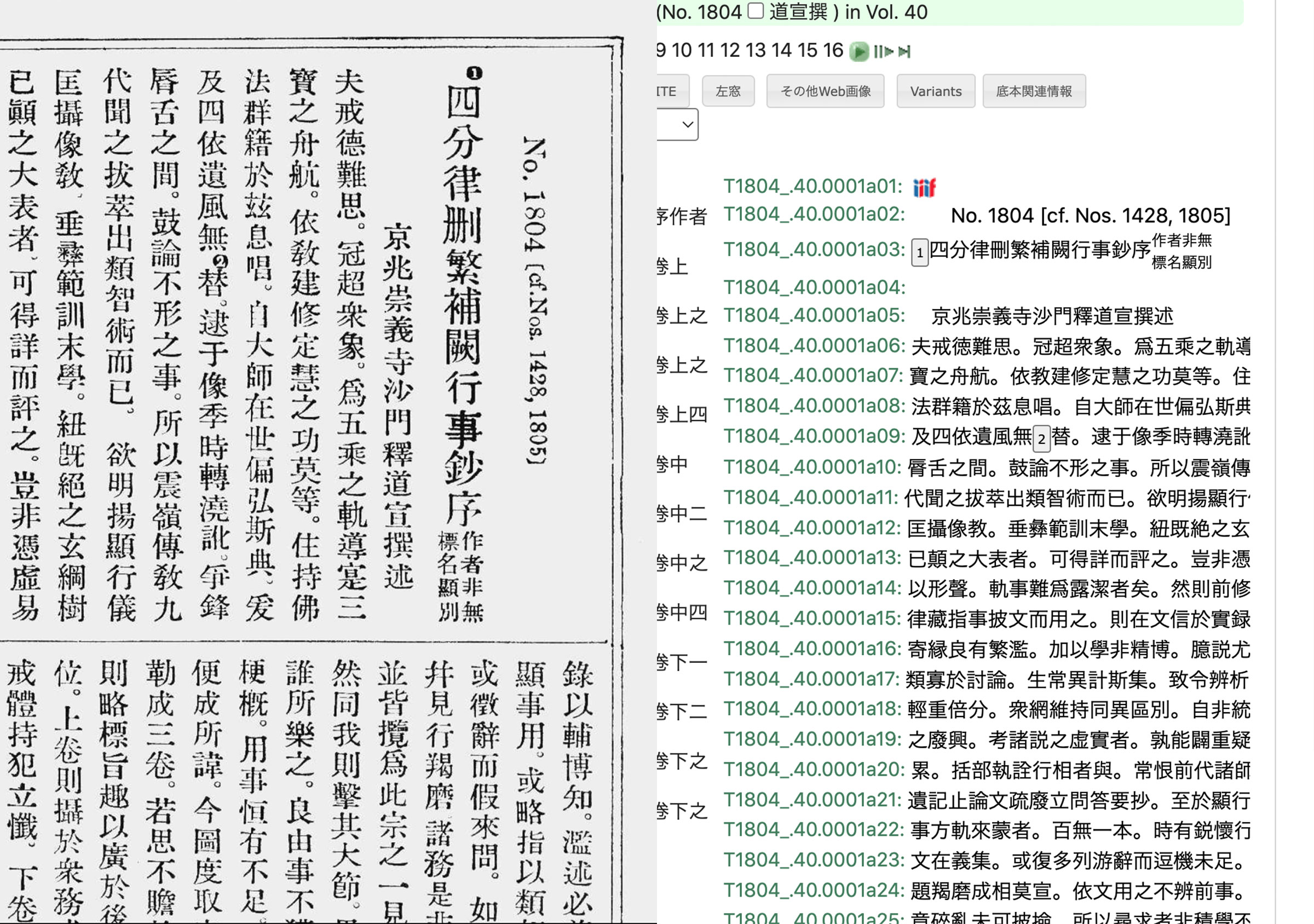
This is the second part of our interview with Professor Kiyonori Nagasaki (twitter @knagasaki), Senior Fellow at the International Institute…
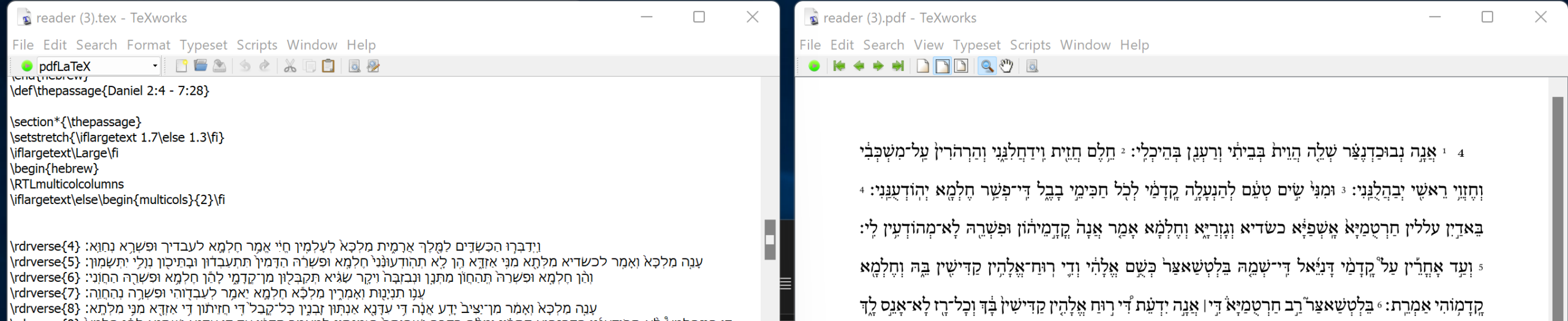
This post serves as a quick introduction to a tool I recently found via Twitter: The Biblical Hebrew Reader Generator.…
Continuing our series of interviews with scholars working in Digital Humanities in Japan, this is the first of a two-part…
This is the second post in an interview of Prof. Jeanne-Nicole Mellon Saint-Laurent and Prof. David A. Michelson, who were…
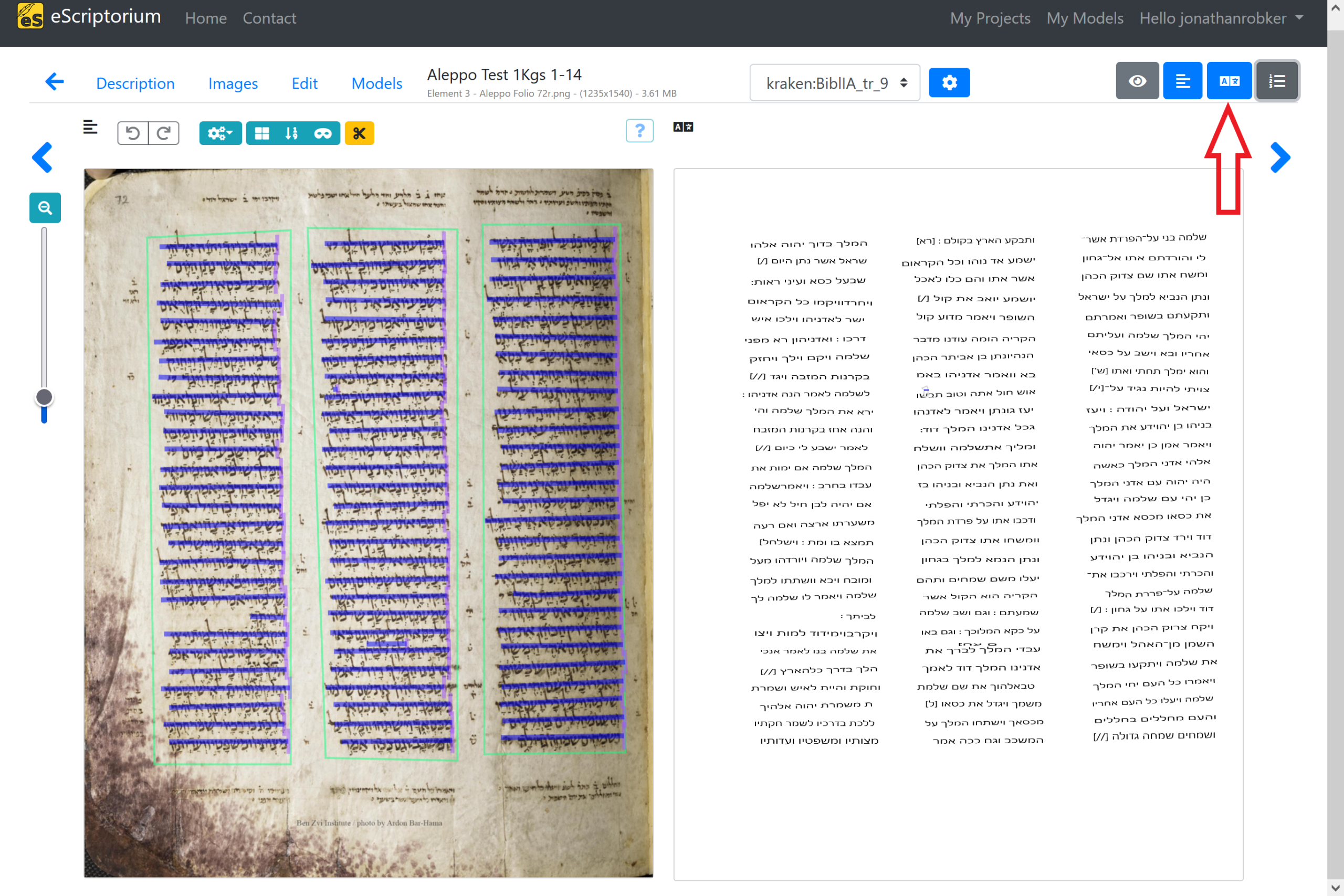
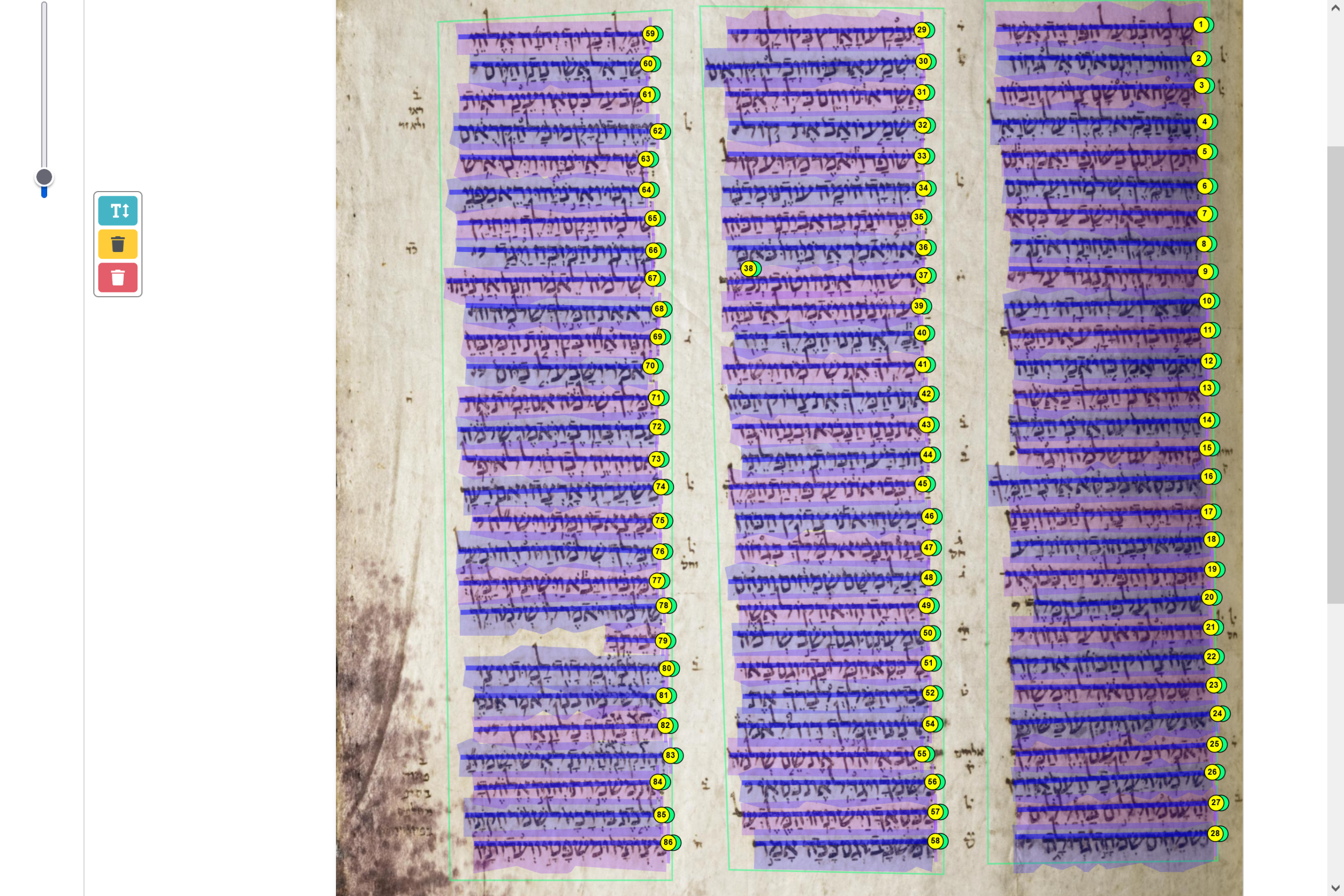
The first part of this post covered starting a project with eScriptorium and properly segmenting a page to prepare it…
Exegetes interested in textual criticism need ready access to digitized and digitalized versions of Hebrew manuscripts so that they must…
Recently, a new initiative to develop digital tools and create a common Linked Open Data for the study of Middle…
This is the second part of the interview with Sarah Savant, Professor at the Aga Khan University–Institute for the Study…