Skip to content

My Website

Category: Sinology

Shuge: Visual Materials in a Digitizing World
DigitizationSinologyTopics

Shuge: Visual Materials in a Digitizing World

Shuge 書格 is a free, online database of Chinese rare books, which offers a continuously expanding collection of high-quality scans for…

Rachael GriffithsFebruary 4, 2022
Shuge: the world’s libraries. Or, just a website that works for you.
DH in GeneralSinologyTeachingWorkflow

Shuge: the world’s libraries. Or, just a website that works for you.

An old mantra among digital circles: online resources to access material circulating in digital formats are so numerous that it…

maddalena poliJanuary 18, 2022
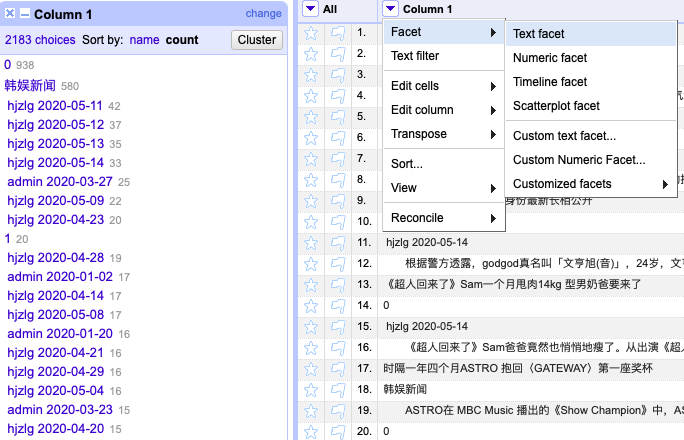
Data Cleaning Chinese Text with OpenRefine: Facet
Chinese LanguageDH in PracticeDigitizationOnline ResourcesSinologySoftwareTextual Analysis

Data Cleaning Chinese Text with OpenRefine: Facet

Text filtering helps researchers target selected, specific data for accurate text analysis results. In my last post, I explored the…

Lu WangJanuary 4, 2022
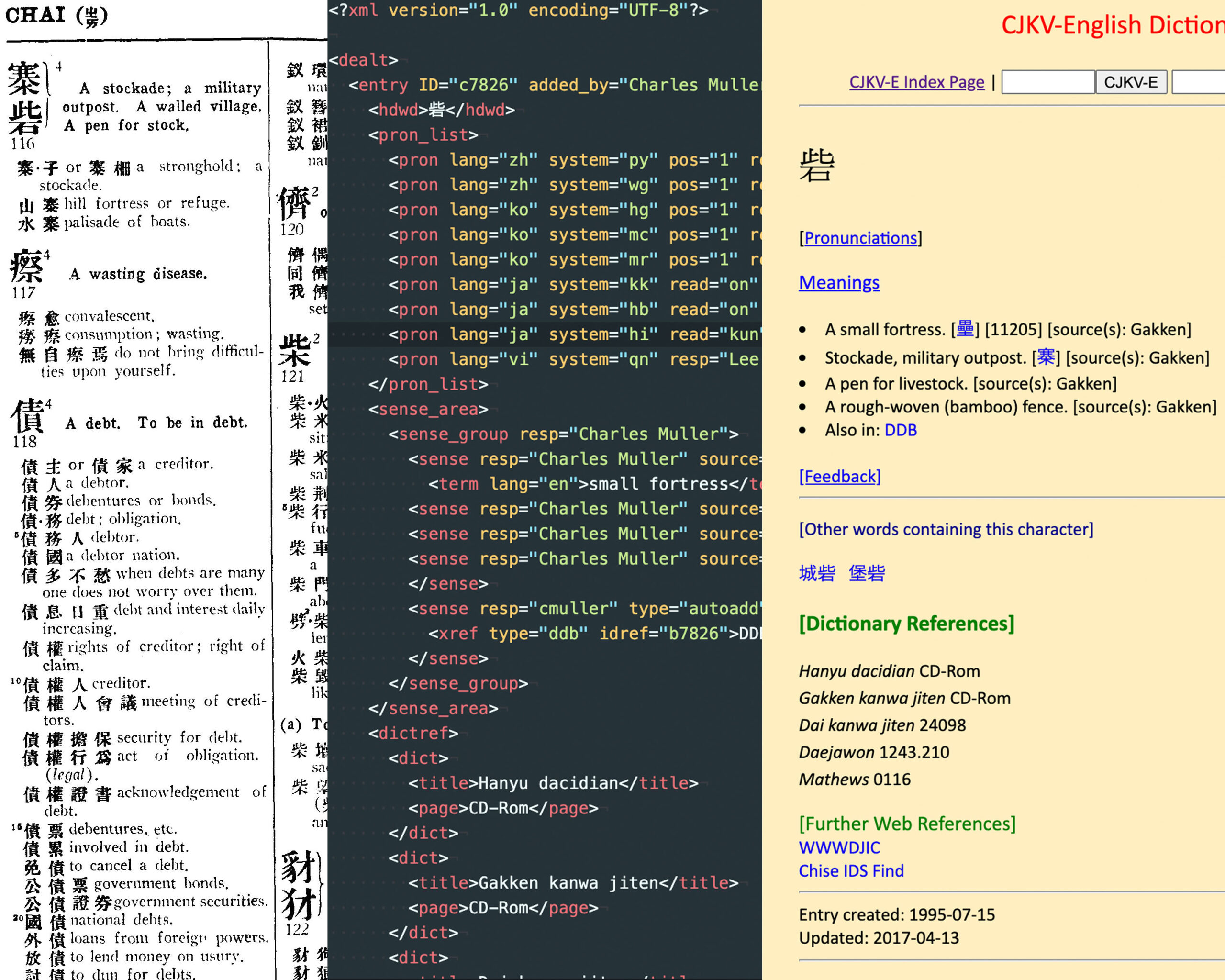
Online Resources for Buddhist Studies and the Development of Digital Humanities, Past, Present and Future: An Interview with Charles Muller, Editor of the DDB and CJKV-E Dictionaries
Buddhist StudiesChinese LanguageDH in GeneralDH in PracticeDigitizationJapanese StudiesKorean StudiesOnline ResourcesSinologyTextual Analysis

Online Resources for Buddhist Studies and the Development of Digital Humanities, Past, Present and Future: An Interview with Charles Muller, Editor of the DDB and CJKV-E Dictionaries

This is the first in a series of interviews with scholars working on Digital Methods for Buddhist Studies. Our initial…

tom_newhall_uclaDecember 21, 2021
Digitizing Cultural Heritage in Contemporary China: An Introduction to “Sinorelic”
DigitizationOnline ResourcesSinology

Digitizing Cultural Heritage in Contemporary China: An Introduction to “Sinorelic”

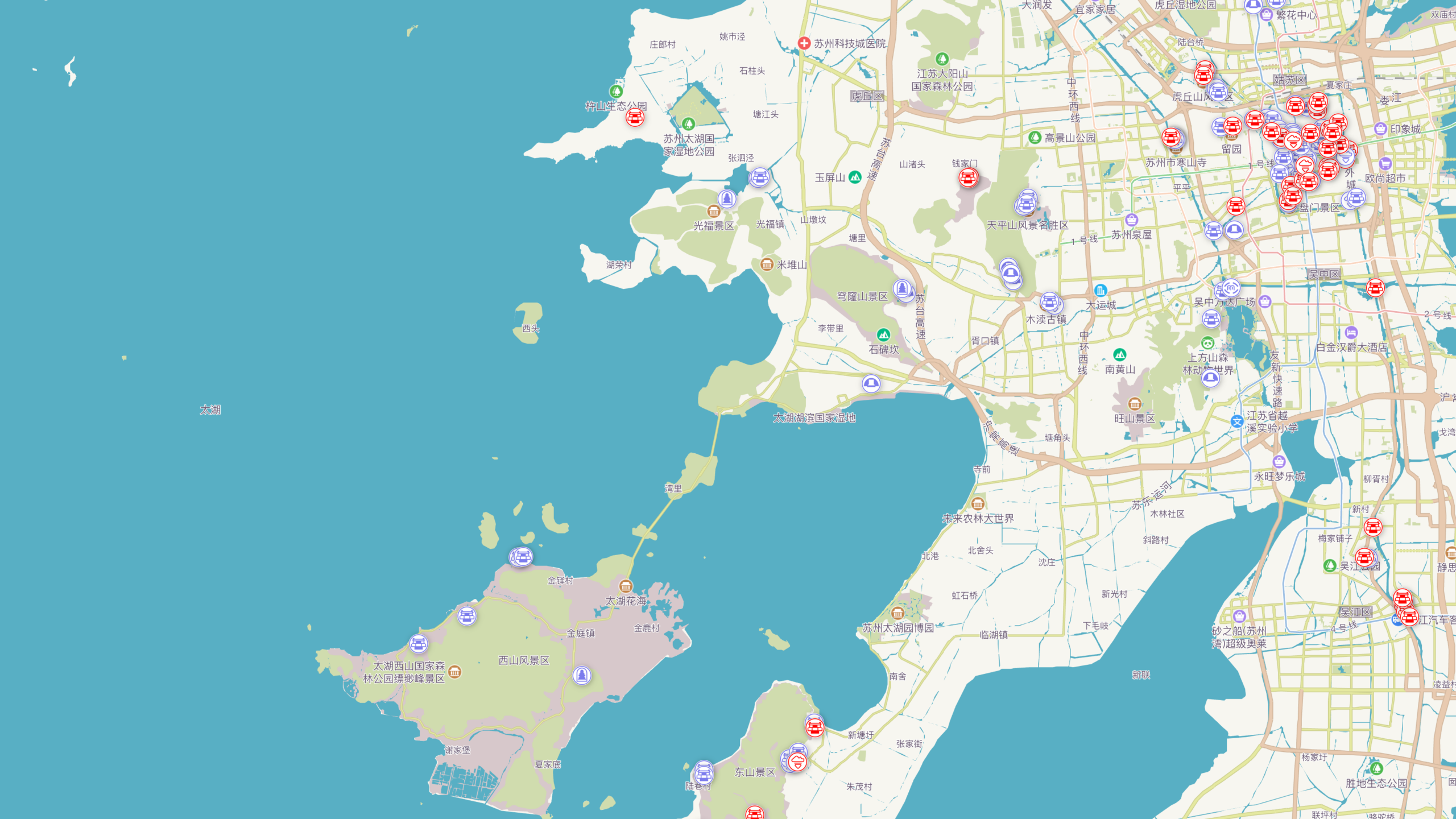
What is Sinorelic? Sinorelic (华夏古迹图) is a Chinese-language online platform for collecting and sharing data about cultural heritage sites. Developed…

Rachael GriffithsDecember 7, 2021
Can we really trust Digital Humanities?
Chinese LanguageDH in GeneralDH in PracticeSinologyTheory

Can we really trust Digital Humanities?

When I write posts about Digital Humanities, be that here or in my blog in Russian, I tend to talk…

Mariana ZorkinaOctober 26, 2021
Chinese LanguageSinologySoftwareTextual Analysis

Data Cleaning Chinese Text with OpenRefine: Sentence Filtering

Following my first post for the Digital Orientalist on the topic of OpenRefine, in this post I would like to share…

Lu WangOctober 8, 2021
The Changing Role of Textile Making: Text Analysis of Digitized “Lienü zhuan” with Voyant Tools (Part II)
Chinese LanguageSinologyTextual AnalysisVisualization

The Changing Role of Textile Making: Text Analysis of Digitized “Lienü zhuan” with Voyant Tools (Part II)

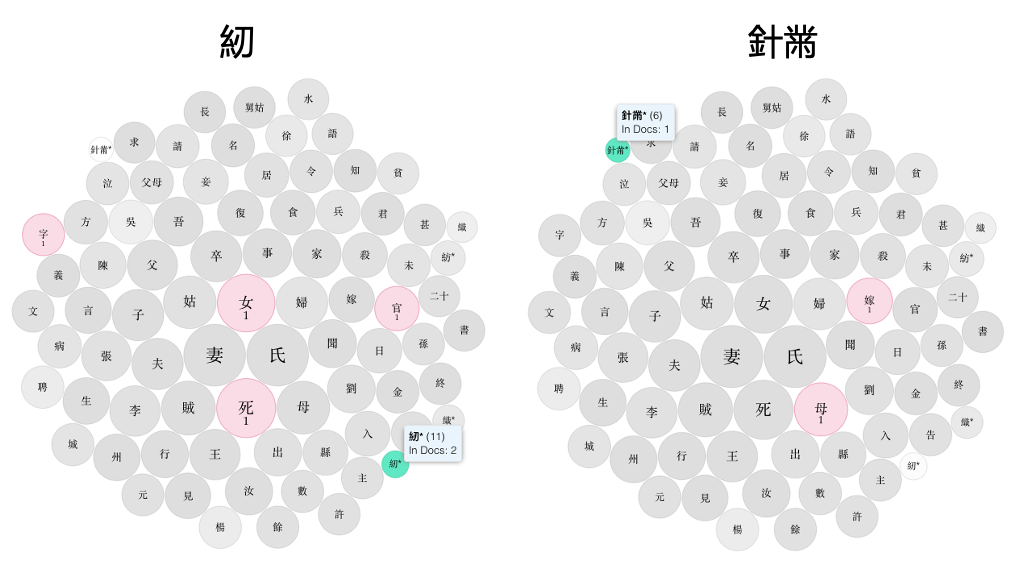
Voyant Tools is a website that allows text analysis in multiple languages with handy, easy-to-learn digital tools. In my earlier…

Lu WangJune 11, 2021
Some Reflections on Online Resources for Chinese Palaeography
Chinese LanguageSinology

Some Reflections on Online Resources for Chinese Palaeography

My previous posts introduced a series of online resources and databases that have become essential tools for the study of…

maddalena poliMay 21, 2021
Seeing the Forest from the Trees: A Reflection on the Challenges of Digital Analysis in Buddhist Studies
Buddhist StudiesDH in PracticeSinologyTextual Analysis

Seeing the Forest from the Trees: A Reflection on the Challenges of Digital Analysis in Buddhist Studies

The first time I attempted to integrate digital tools into my research, I had a common experience: I had my…
Matthew HayesMay 14, 2021

Posts pagination

Previous 1 … 5 6 7 8 Next

Copyright © 2026 My Website | Neo Magazine by Ascendoor | Powered by WordPress.