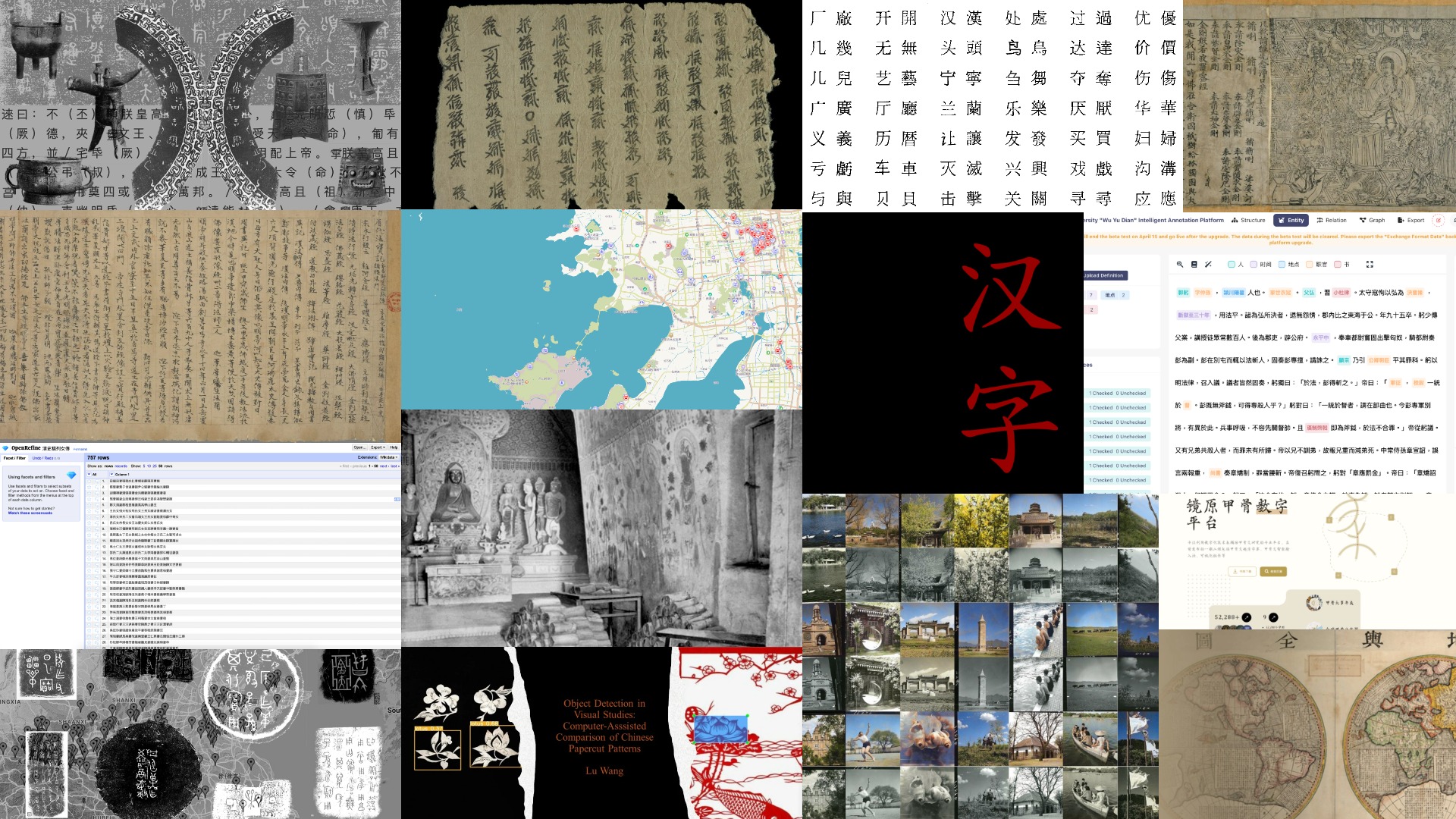
An Overview of Digital Tools and Resources for East Asian Studies Reviewed by The Digital Orientalist Members
Since its founding in 2013, The Digital Orientalist has grown from a research blog by Cornelis van Lit to an…
Google’s privacy issues are fairly well-known—there is even a Wikipedia page about it. Even if we don’t know the details,…
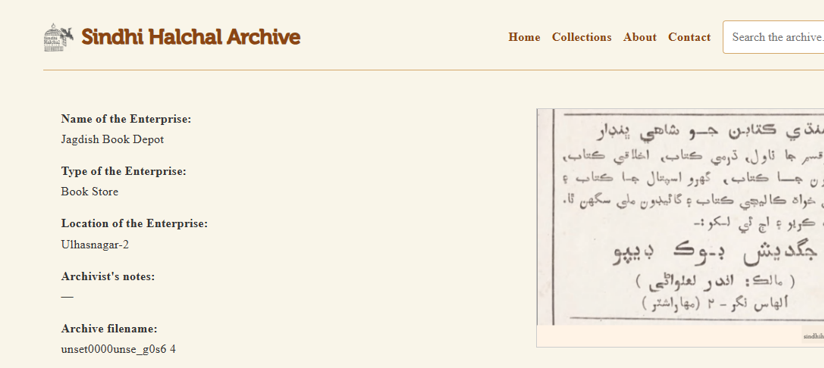
In my previous post, I wrote about potentialities: I spoke about what might be doable for the Sindhi presence within…
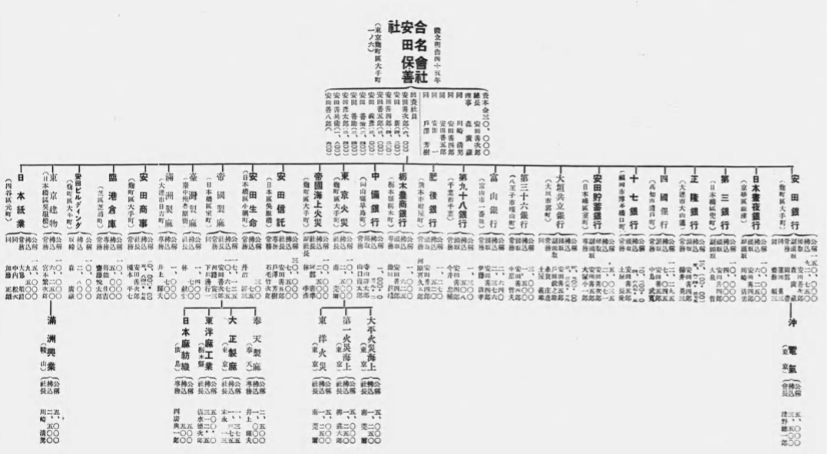
Part 1 can be read here. The Zaibatsu had dominated Japanese business and industry for decades before WWII. They monopolised…
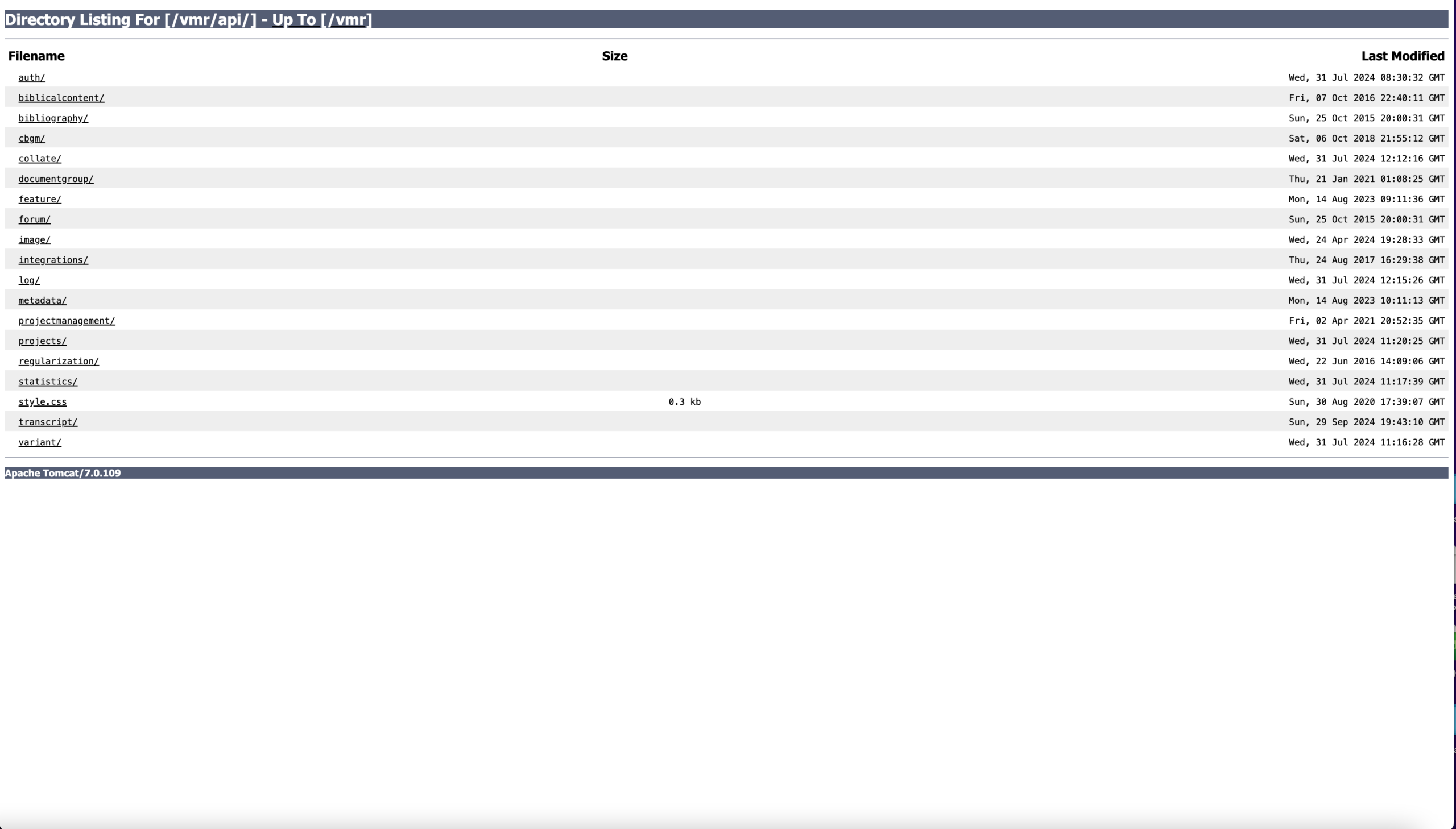
While not readily apparent, the New Testament Virtual Manuscript (NTVMR) room has an API that is publicly accessible. An API,…
This article examines the flow of Ottoman citizens, including Armenians, Jews, Christians, and Muslims, to the United States during the…
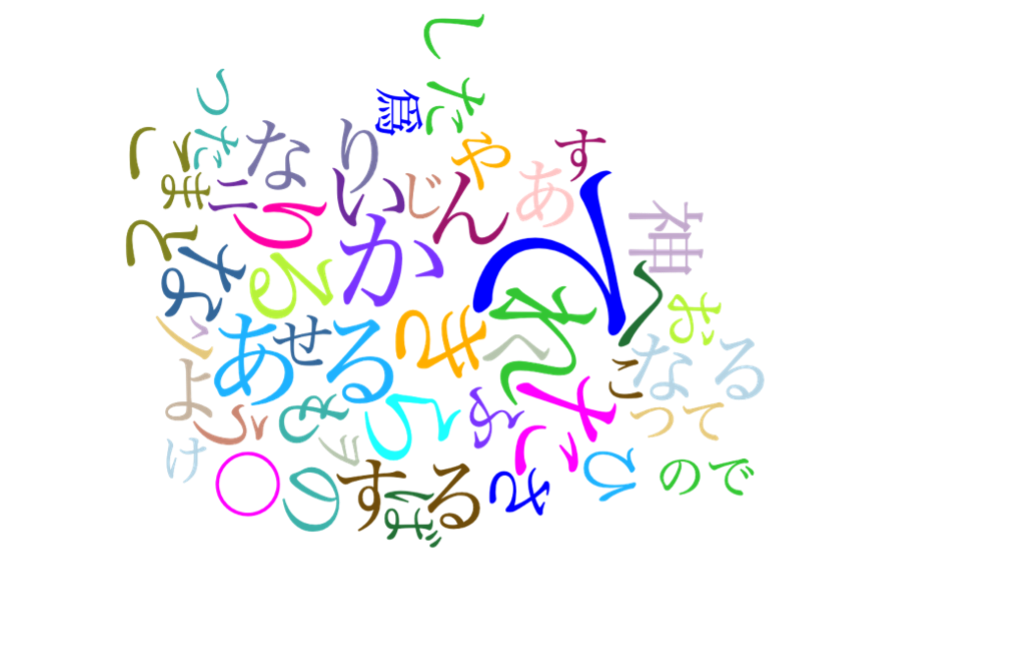
Over the past year, I have been working on a textual analysis project exploring Japanese understandings of Judaism, Israel, and…
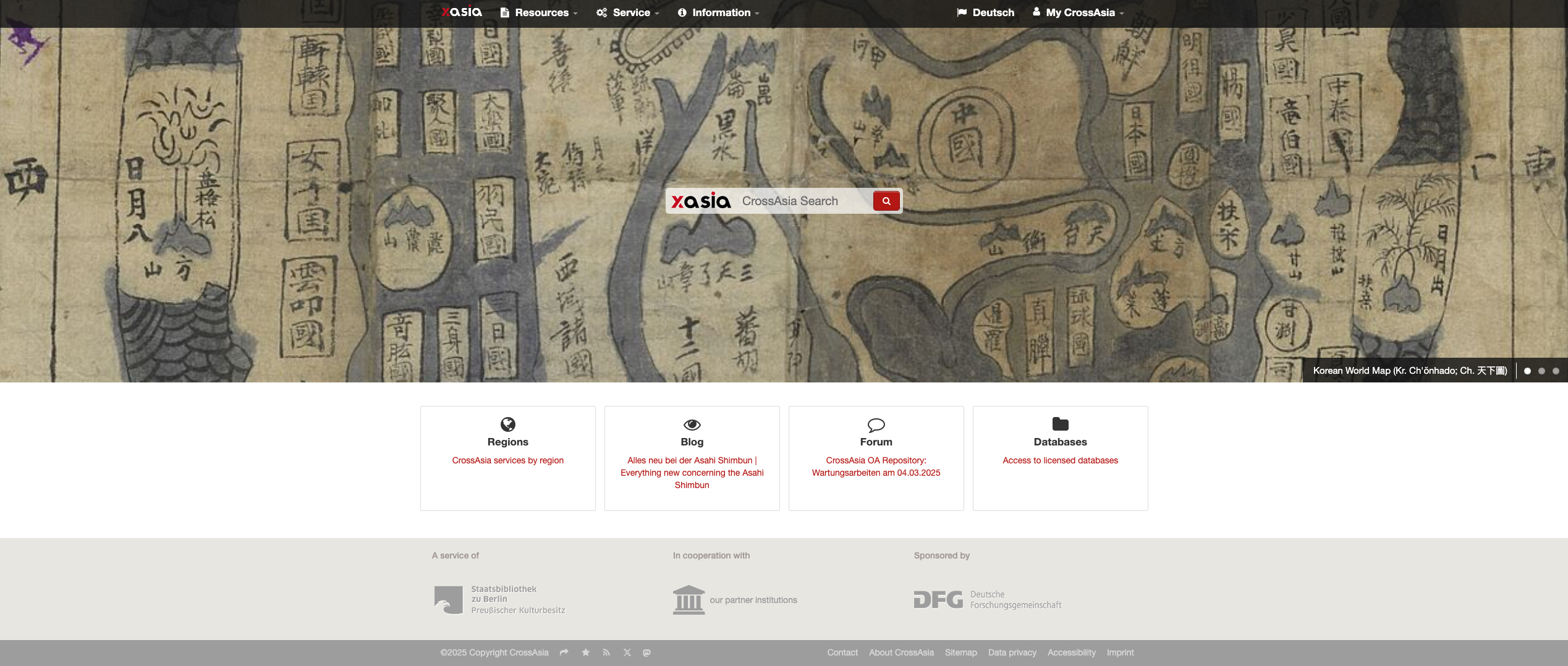
The first of three articles looking at how the Staatsbibliothek zu Berlin’s digital platform CrossAsia is changing the way Asian…
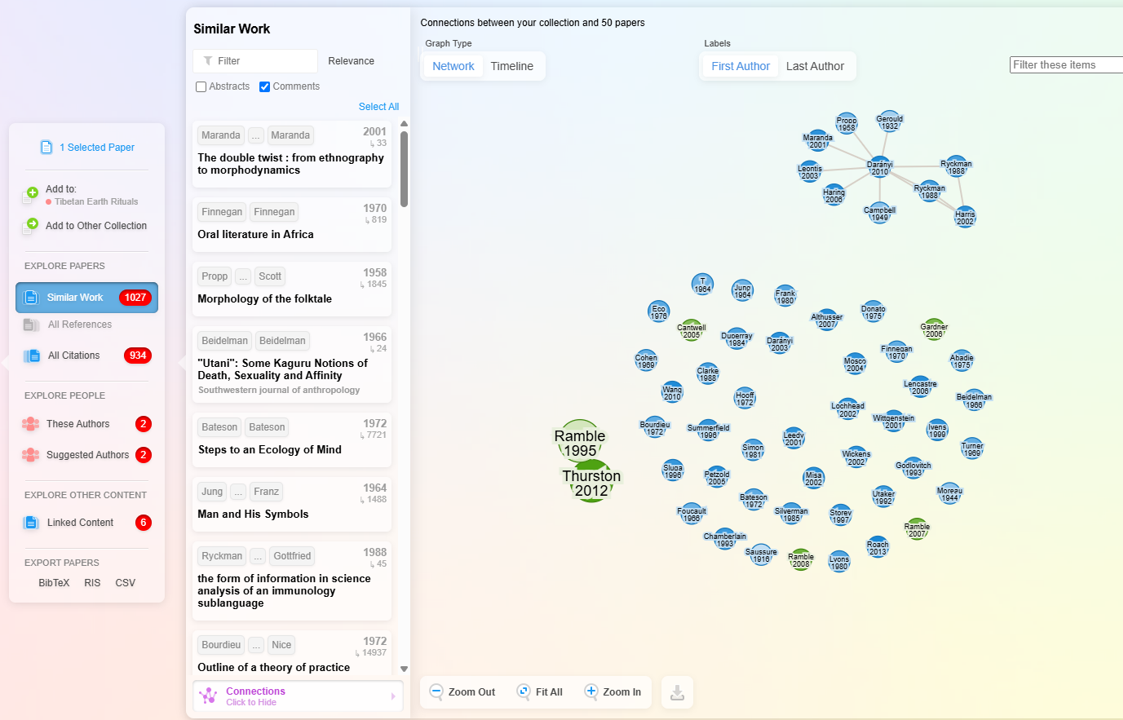
In the ever-expanding web of academic literature, exploring the research landscape and searching for publications can often feel complicated, overwhelming,…
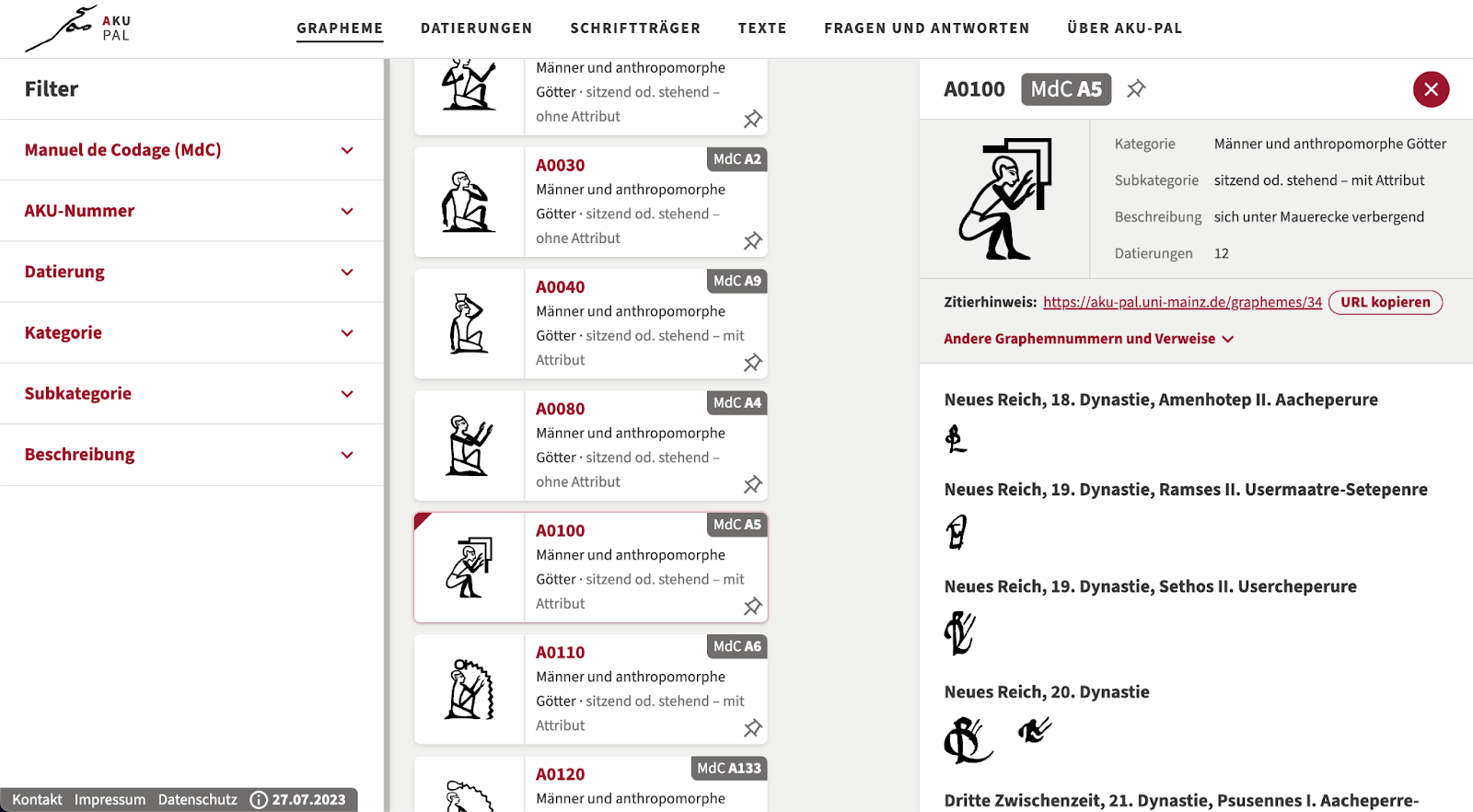
Ancient Egyptian civilization, which flourished in the Nile Valley and the Nile Delta, is widely known for its monumental hieroglyphs…