An Overview of Digital Tools and Resources for Central and South Asian Studies Reviewed by The DO Members
This overview is inspired by Maddalena Poli’s recent post, which (re-)introduces East Asian Studies resources featured in The DO. Since…
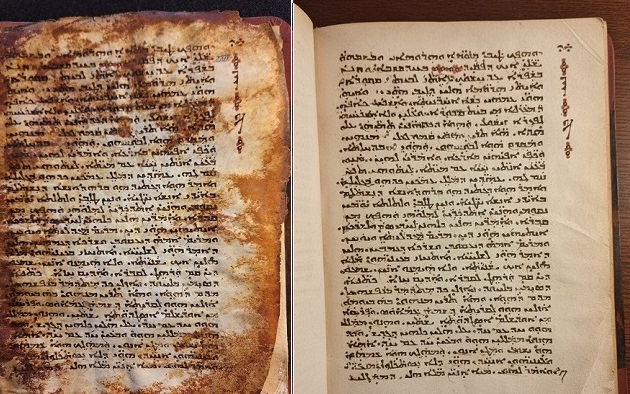
The field of Syriac Digital Humanities continues to advance rapidly, moving from basic text recognition (as discussed in my previous…
I recently started working at the National Institutes for the Humanities (NIHU). When I was preparing for my move to…
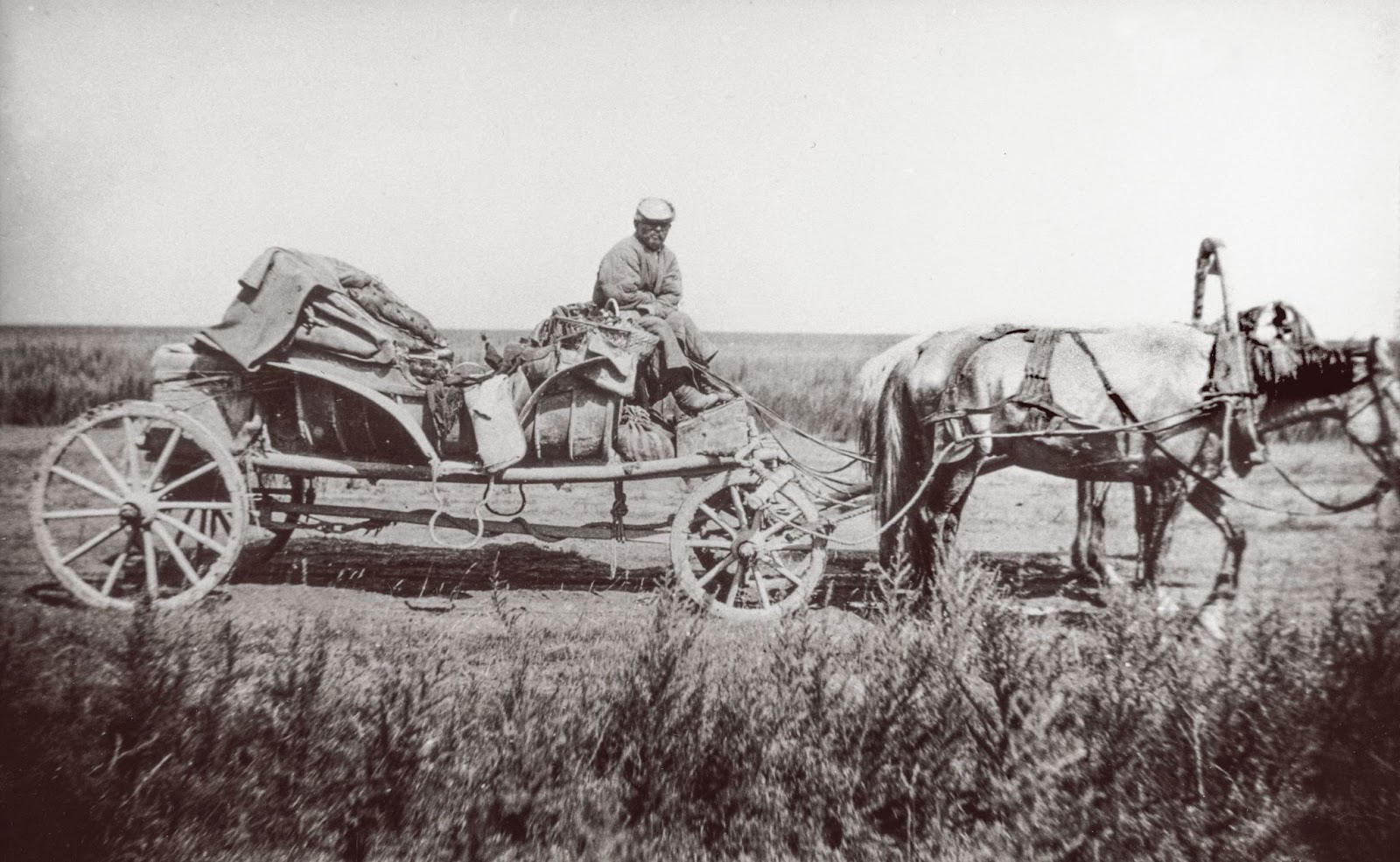
This is a guest post by Aizat Ishembieva. The National Museum of Denmark houses one of the most significant 19th-century…
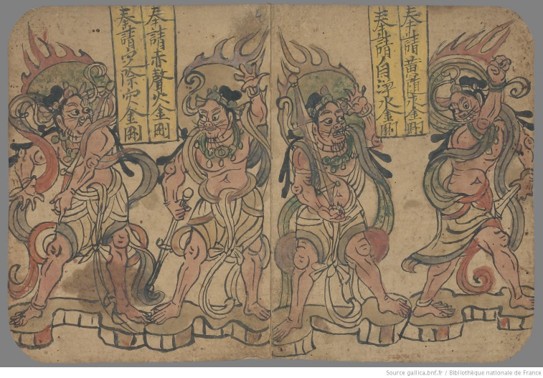
Since the last time I covered Dunhuang-related databases to browse online in 2022, a few things have changed. The International…
For the past year and a half, I have worked as a digitisation quality assurance and team leader at Royal…
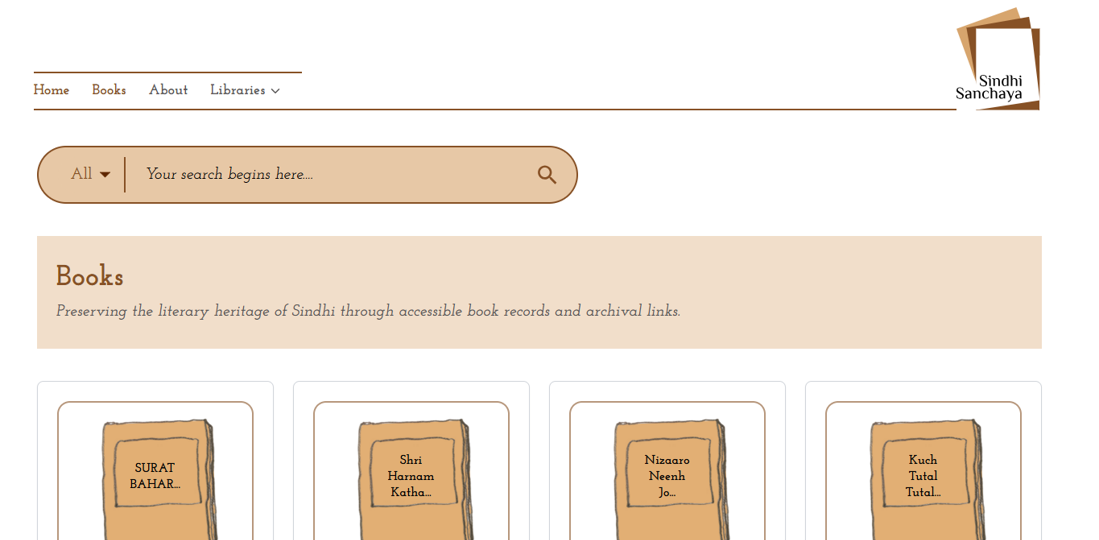
In my previous post, I wrote about the Sindhi Halchal Archive: a passion project that extends the work of the…
Celebrity diaries constitute an essential resource for researching modern Japanese history. Scholars examine the diarists’ lives, thoughts, social networks, and…
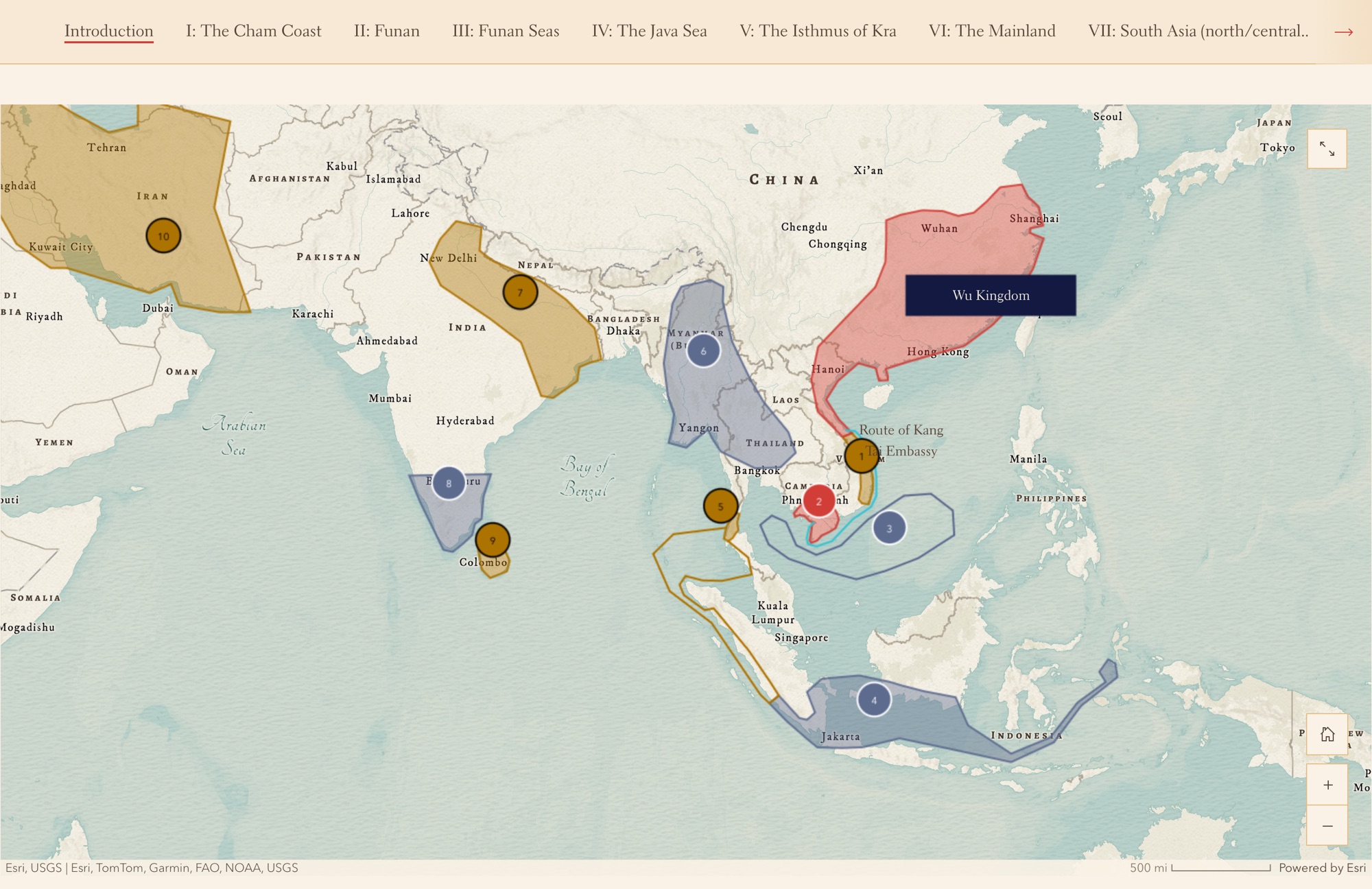
This is a guest post by Andrew Chittick. The author bio is below. The Digital Orientalist has proven to be…
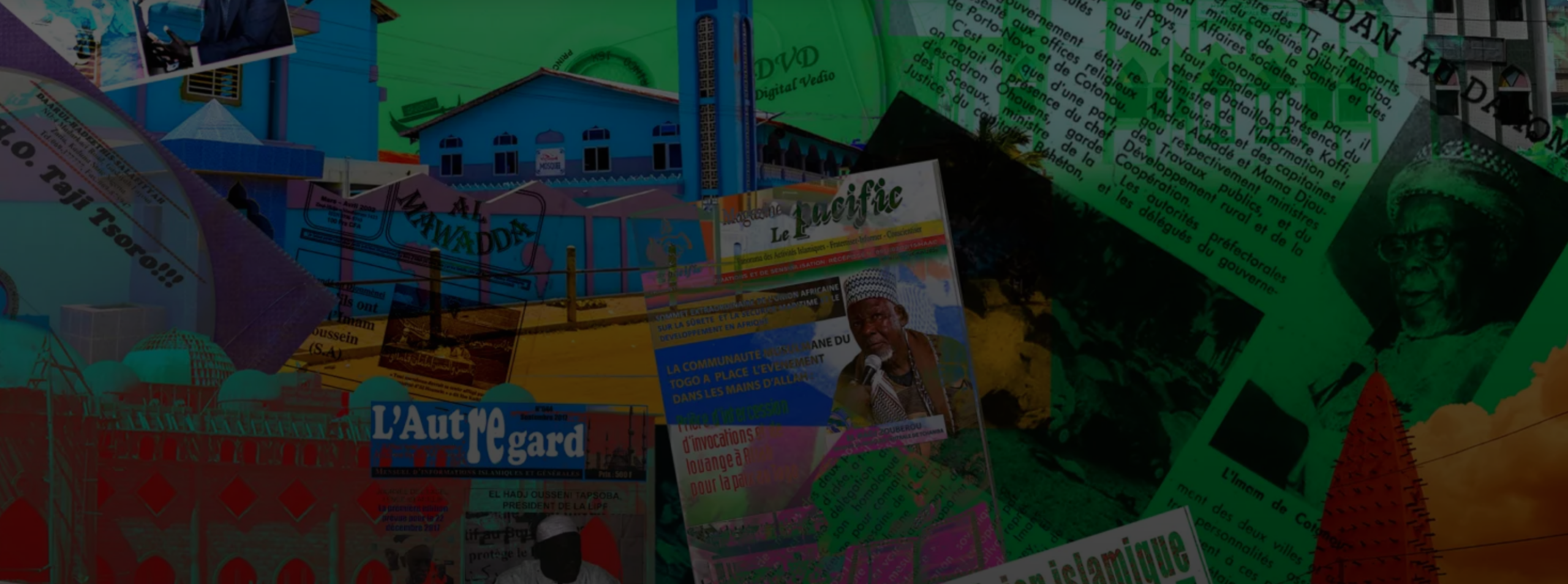
Islam West Africa Collection (IWAC), created and maintained by F. Madore, is an open-access database that provides access to press clippings from the mainstream press in West African (Burkina Faso, Ivory Coast, Benin, Togo, Niger, Nigeria) as well as Islamic publications, and video recordings, all of those documents related to Islam. Complex tools enable discourse analysis and answer various scientific questions through keywords mapping, topic modelling, sentiment analysis and spatial visualization.