Editor’s Digest January 2025: Chinese Studies
This year’s Editor’s Digest for Chinese Studies falls right after the Chinese New Year, so first of all let me…
This year’s Editor’s Digest for Chinese Studies falls right after the Chinese New Year, so first of all let me…
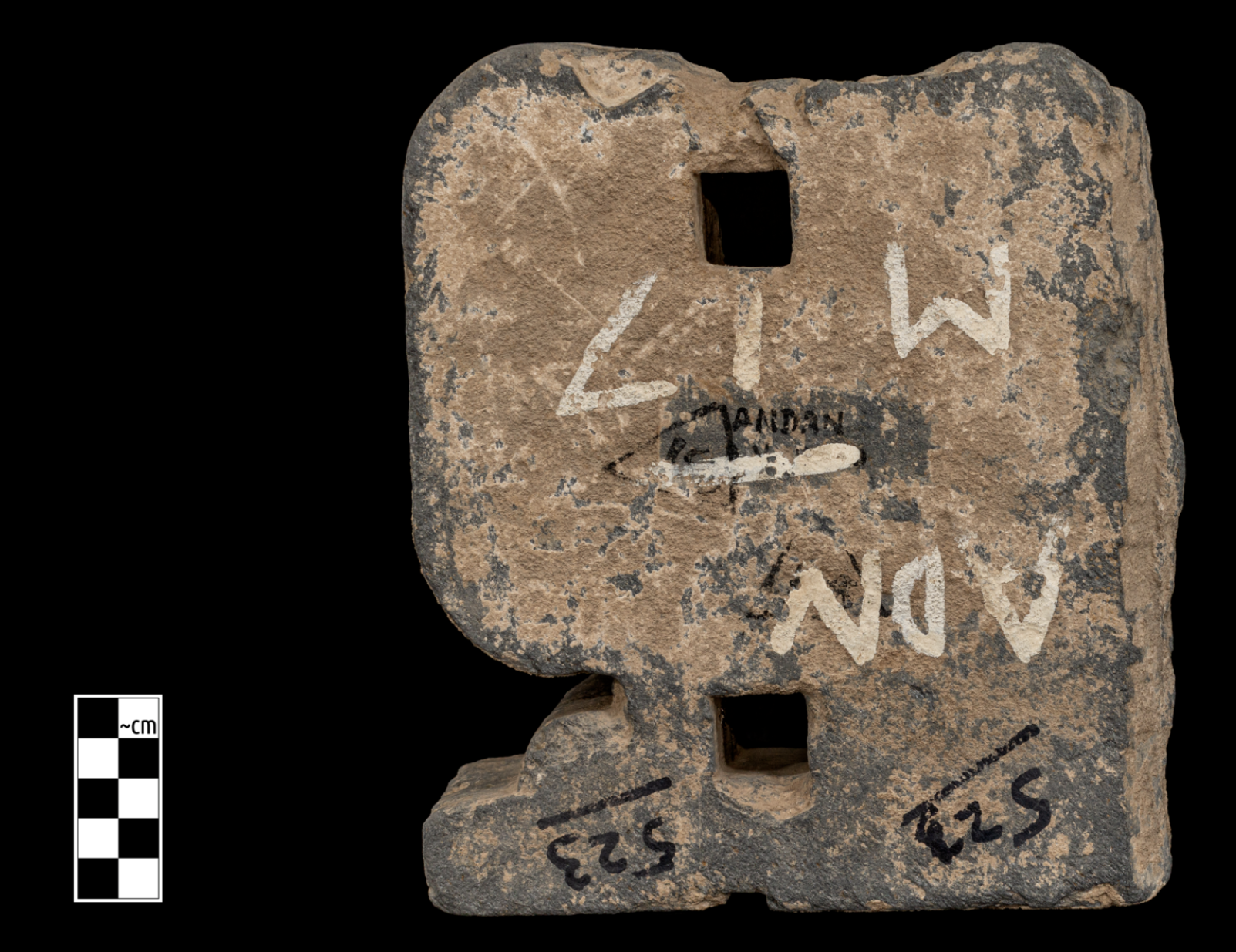
This is part two of a three-part series on the biases about Hellenistic Central Asia in generative artificial intelligence (AI) datasets. Since ChatGPT’s surge of popularity in November 2022, some theorize that generative AI tools could be the answer to uncovering how ancient music could have actually sounded.
Background Historical Chinese texts and source notes, preserved in various forms including rare books, special collections, and modern academic databases,…
Interview with Younes SAAID, Ph.D. candidate at the Université d’Oran 2 Mohamed Ben Ahmed, regarding the San Francisco Declaration of…
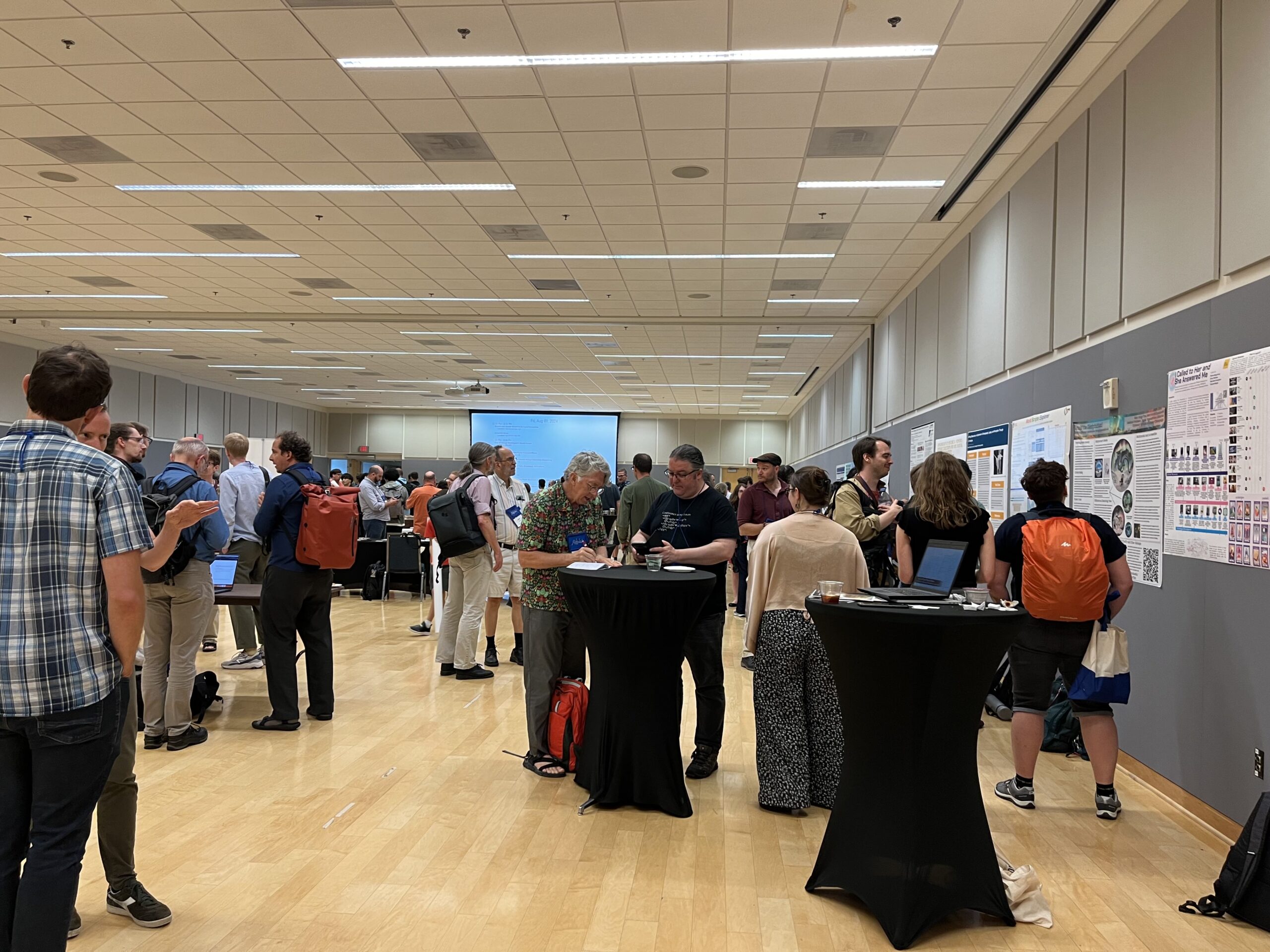
This is a guest post by Joanne Bernardi. Graduate students in the humanities learn early that academic conferences are cornerstones…
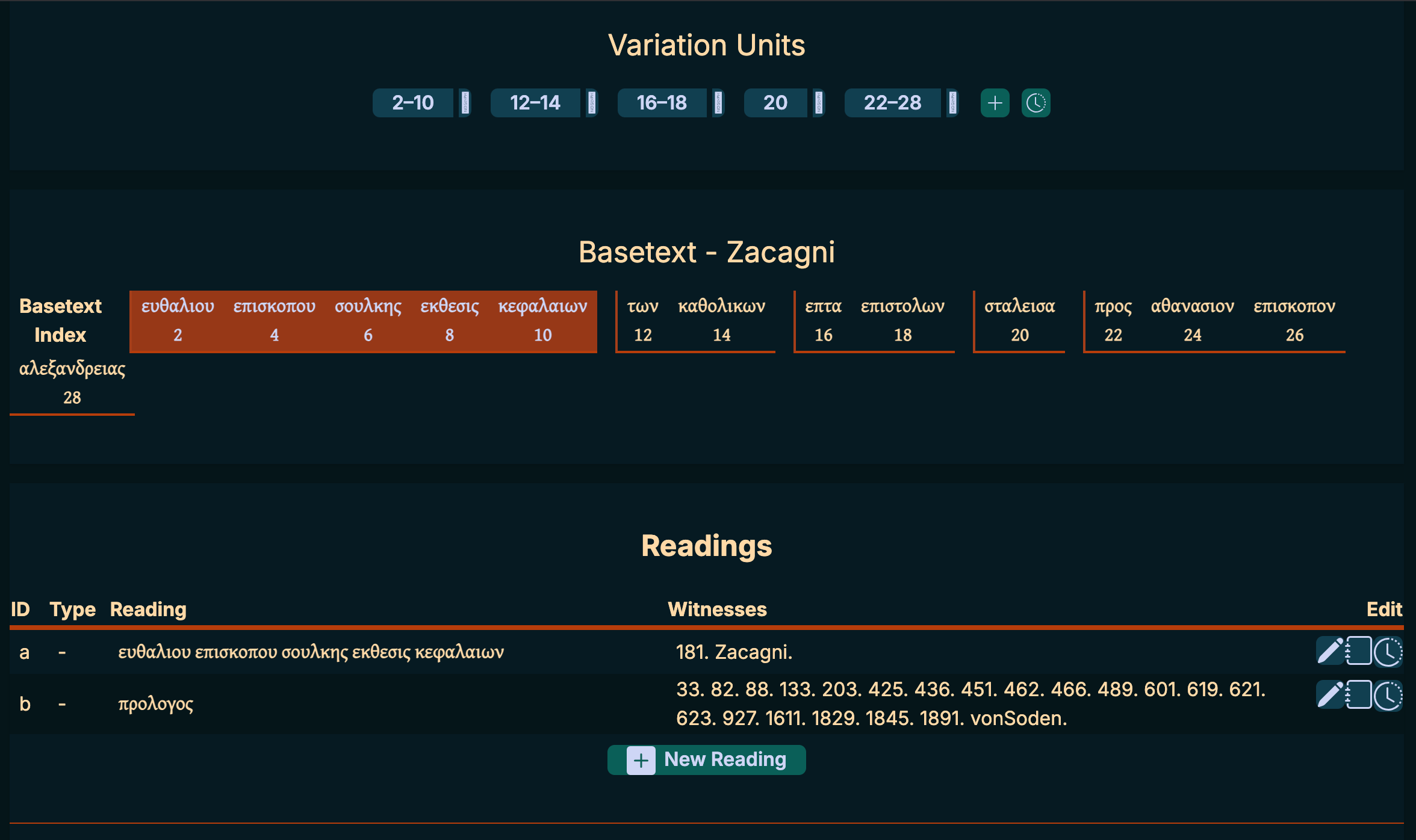
In my last post, I explored how to collate TEI XML transcriptions of Greek New Testament manuscripts, yielding a TEI…
In my last post, I discussed the DiGA project with two of its members – Dr Jessie Pons, project leader,…
This article was co-authored by guest contributors Raúl Cervera Álvarez (Universitat de Barcelona) and Celia Gonzalez Diaz (Universitat Autonoma de…
Archives and archive building hold great potential within the theory and praxis of digital humanities in India. Sindhi, a minor…