‘READ Workbench (part 2): Digital Repatriation, Pedagogy and Transnational Heritage’
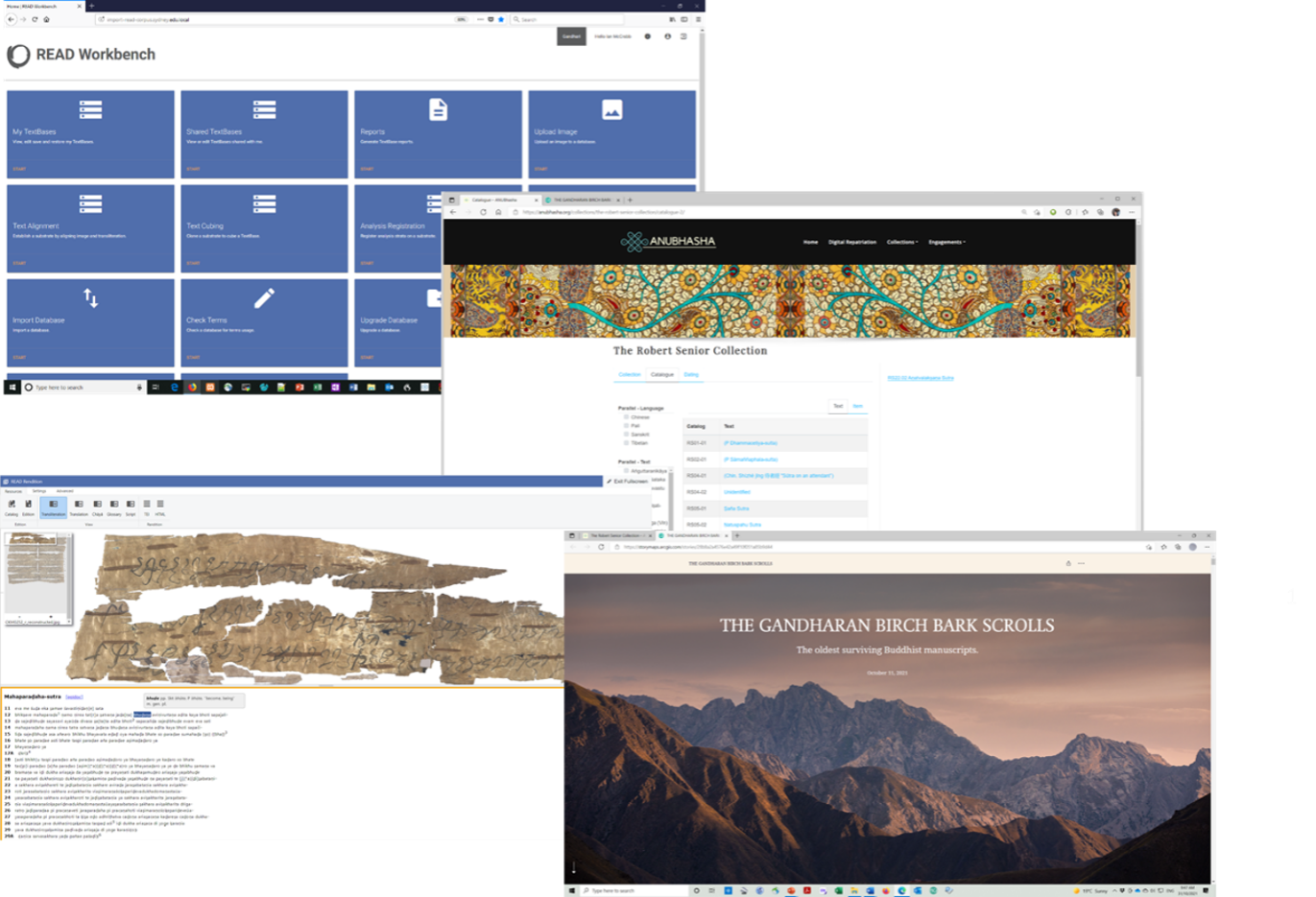
Introduction: The READ Workbench and its Potential The READ (‘Research Environment for Ancient Documents’) Workbench, originally designed for interpreting and…
Introduction: The READ Workbench and its Potential The READ (‘Research Environment for Ancient Documents’) Workbench, originally designed for interpreting and…
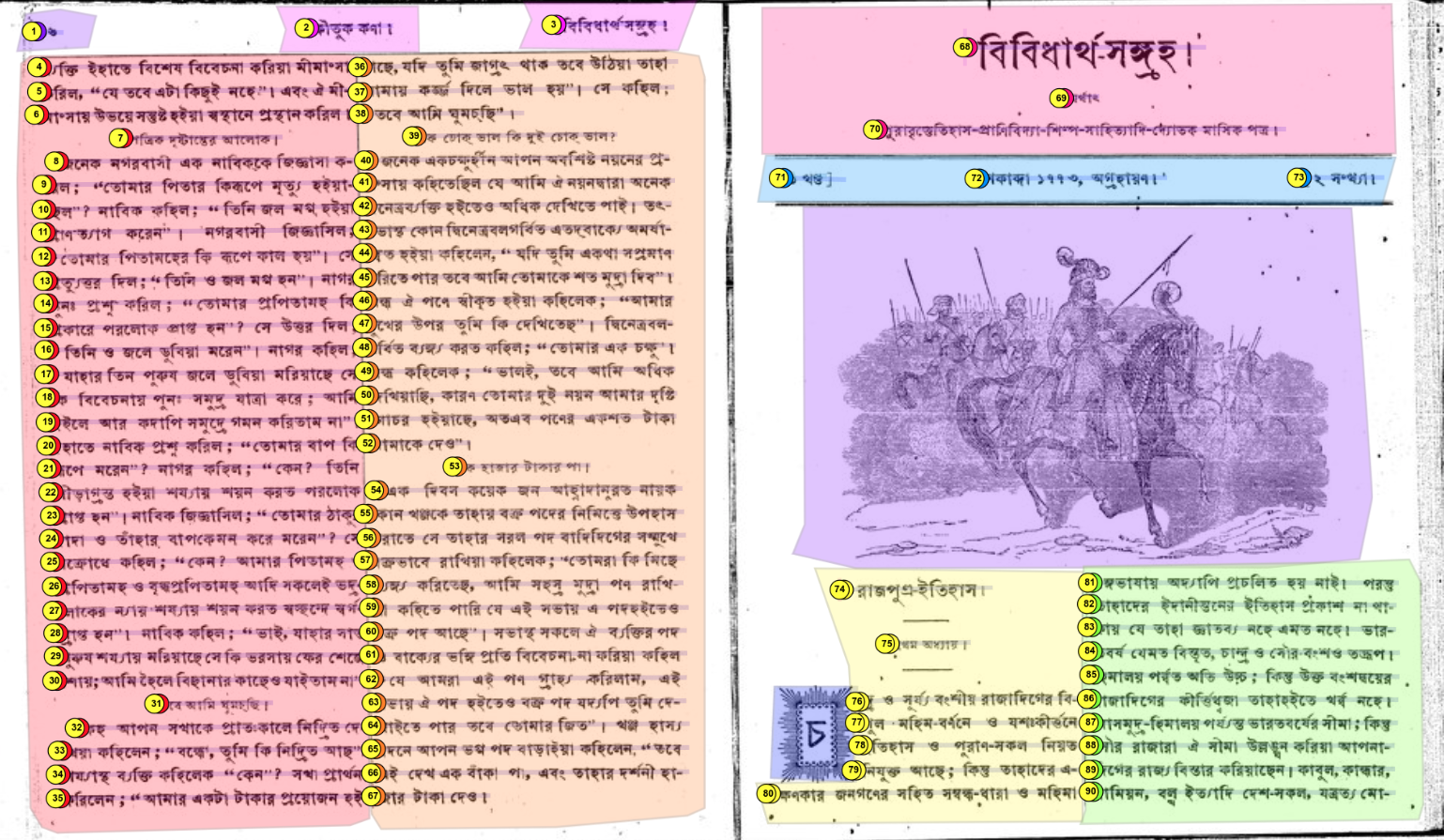
OCR of historical printing in Bengali using segmentation and recognition models trained in Kraken from an annotated dataset of Bengali texts published between 1860 and 1940.
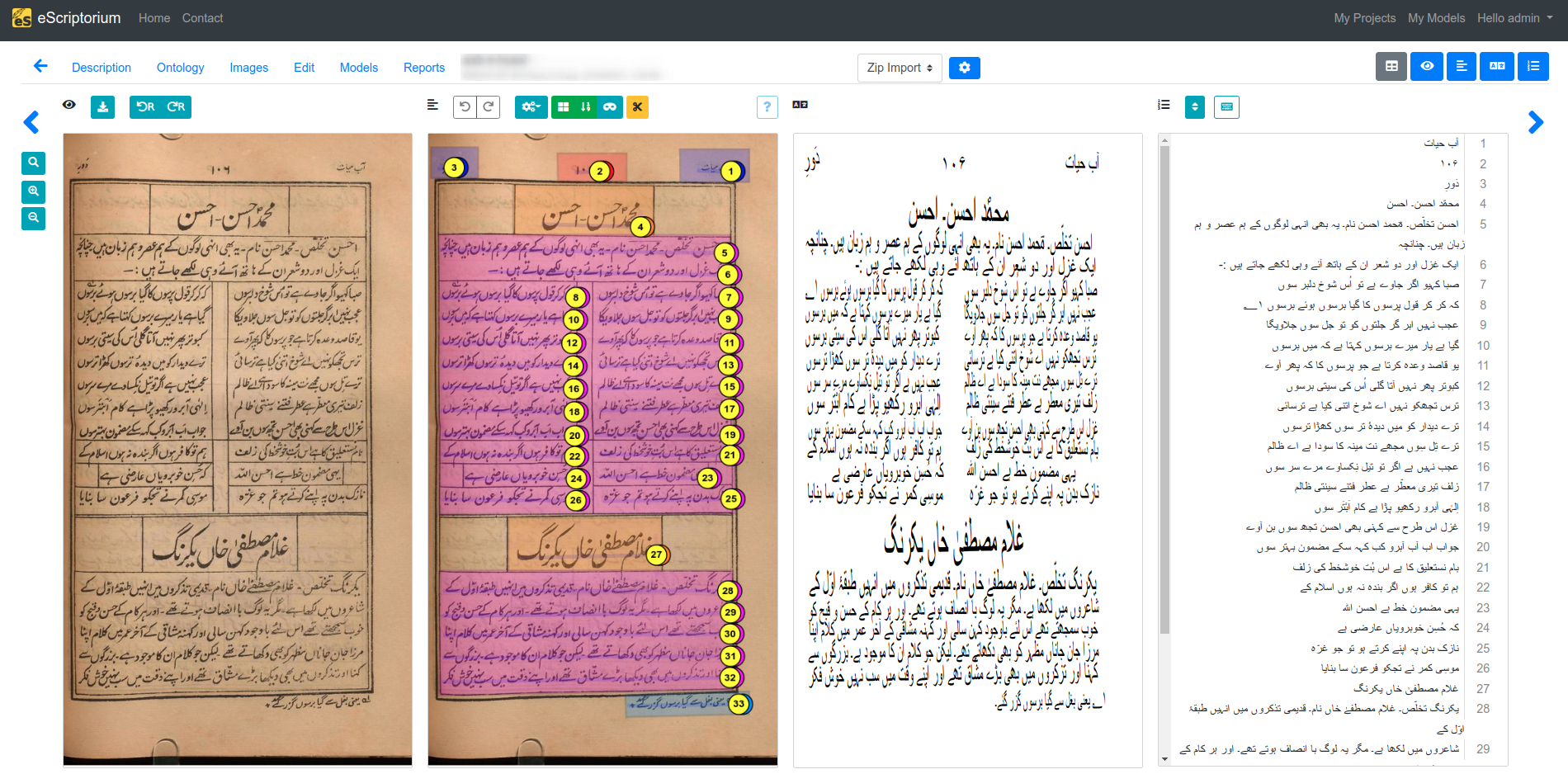
In part 1 of this series, I provided a quick introduction to eScriptorium and the workflow associated with it. This…
The following online roundtable discussion was part of a School of Culture, History, and Language ‘Flagship’ event organised by Christopher…
State-of-the-art OCR engines use trainable models to perform two consecutive tasks that produce machine-actionable transcriptions. They first segment the position…
The ‘Research Environment for Ancient Documents’ (or ‘READ‘) is an ecosystem of open-source tools and platforms for the creation of…
When it comes to Buddhist studies, the number of online resources can feel very overwhelming – from the thousands of…
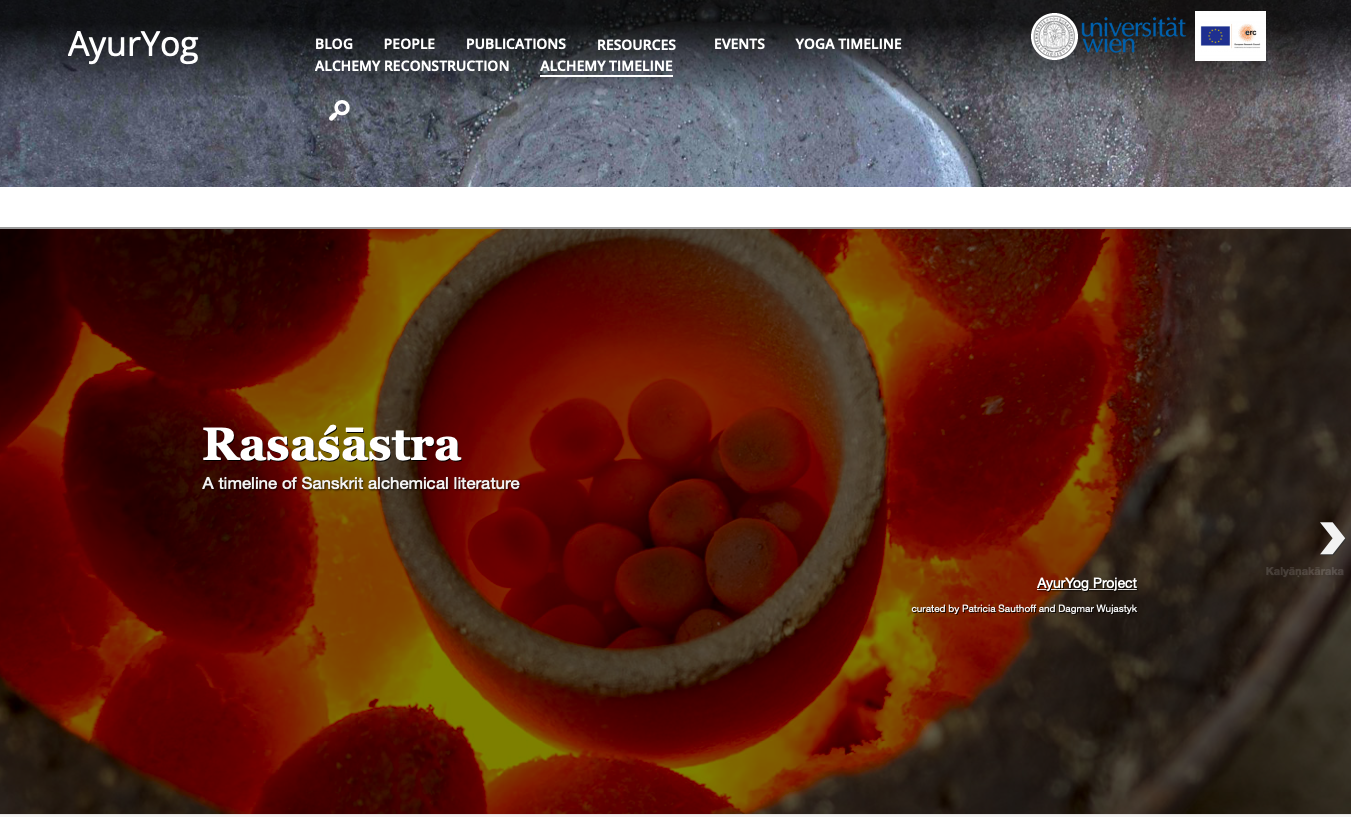
This is a guest post by Udita Das. The AyurYog Project concerns with the tangled histories of South Asian yoga,…
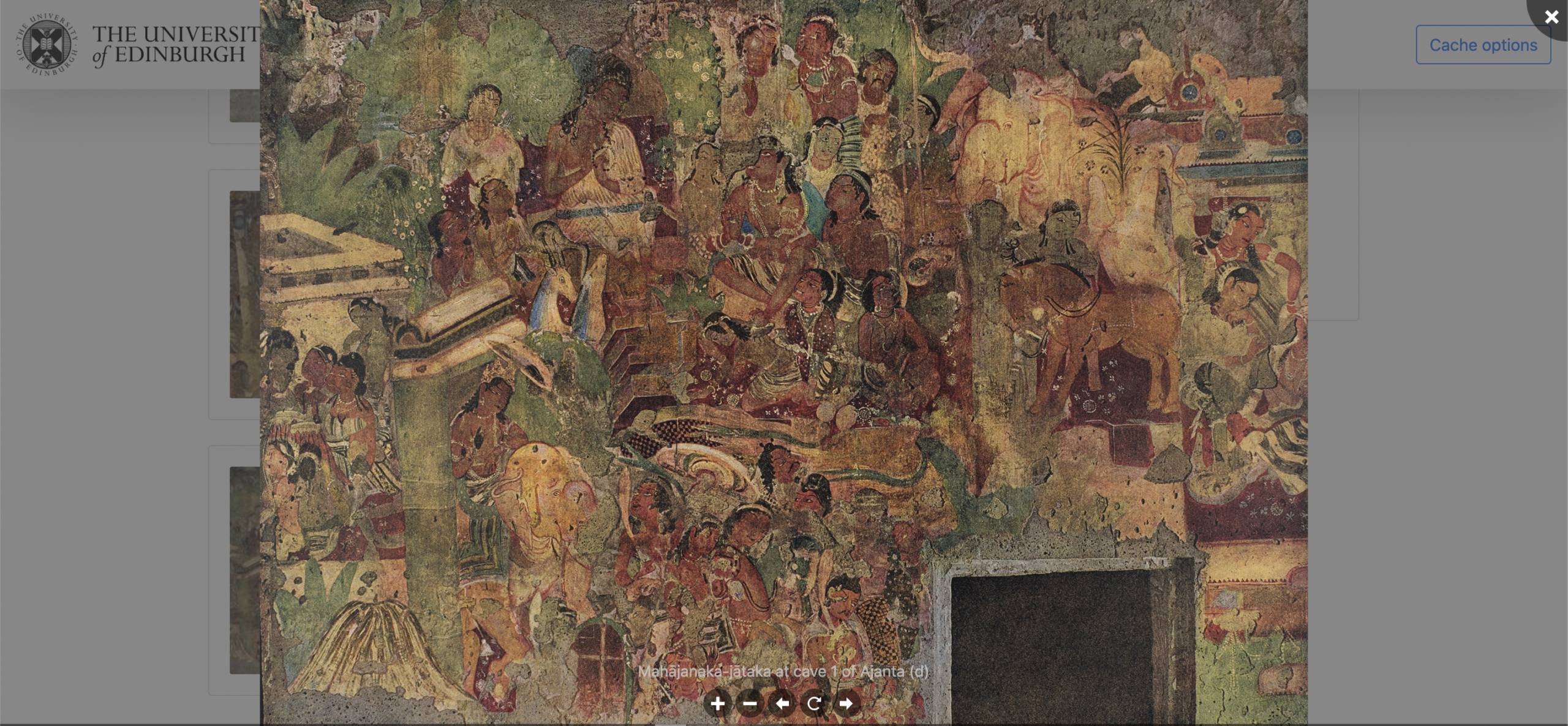
This is a guest post by Udita Das. Jātaka Stories is a free online repository of jātaka tales. Jātakas are…
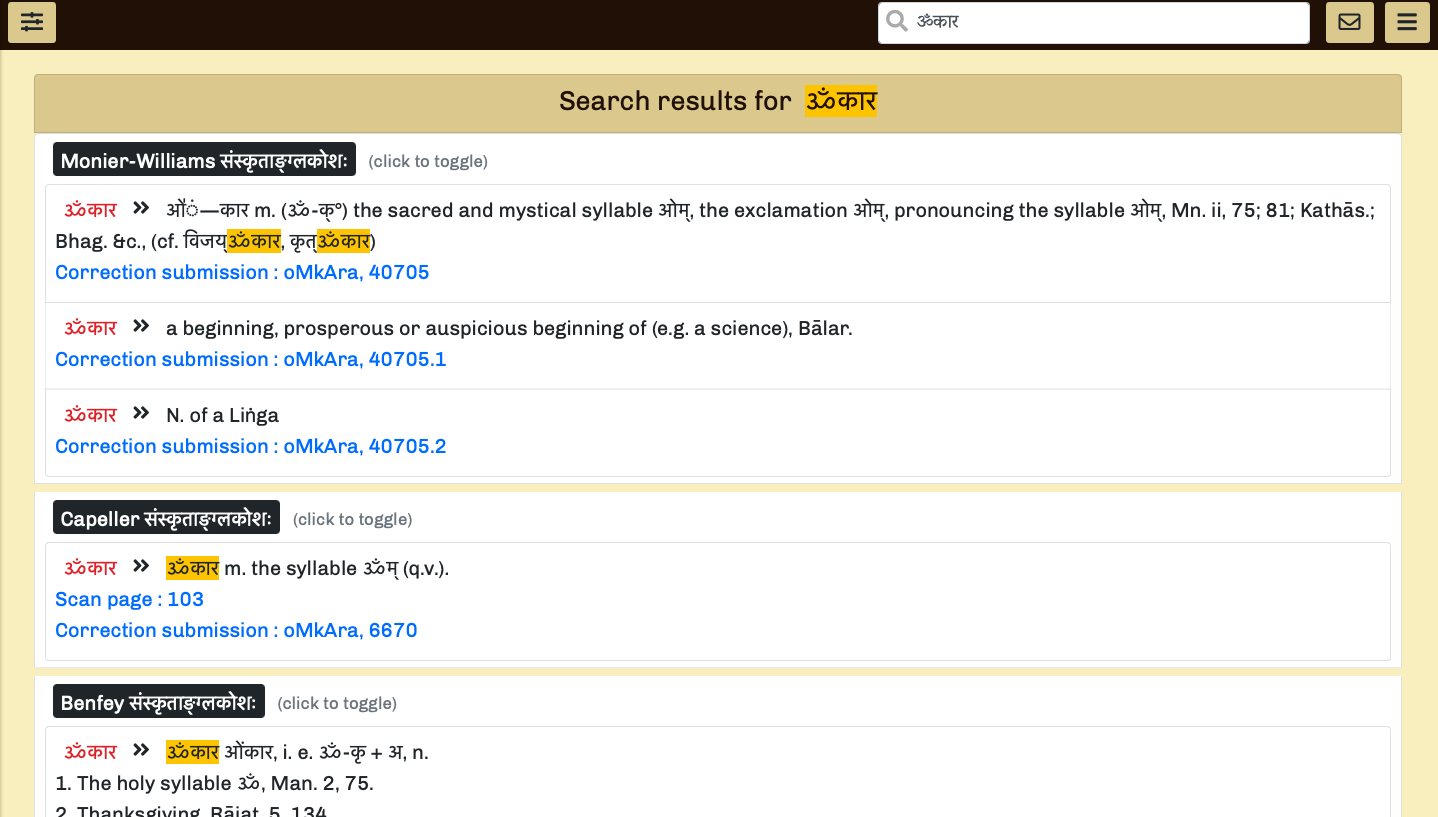
This is a guest post written by Udita Das. A few months back a friend of mine told me about…