Some tools for quickly transliterating Chinese characters
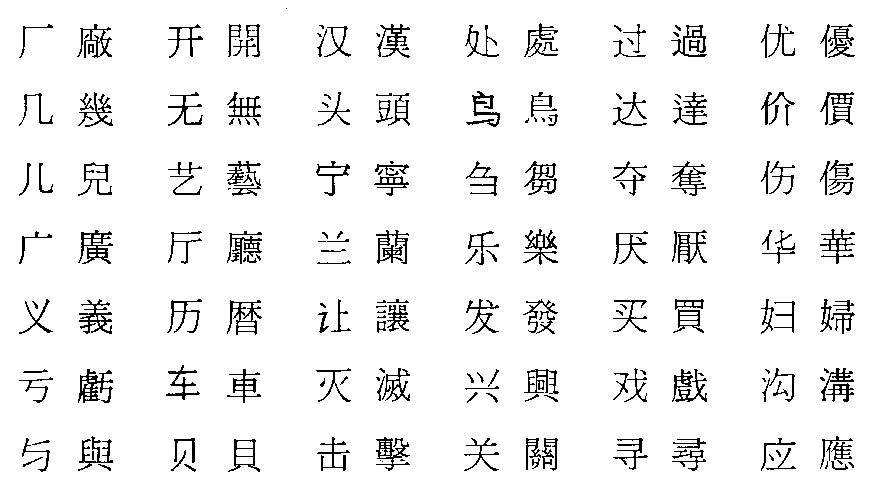
Students, librarians, and non-Sinologists who occassionally interact with Chinese language sources may want to speed up the process of transliterating…
Students, librarians, and non-Sinologists who occassionally interact with Chinese language sources may want to speed up the process of transliterating…
The Chinese Buddhist canon contains canonical Buddhist literature as recognized in East Asia. Early practitioners interacted with one of the…
Last year was an interesting and exciting year for the Digital Orientalist: we affiliated with the American Oriental Society, we…
Are you skilled at designing visuals? Can you use PhotoShop or similar software? Do you want to improve your graphic…
The Digital Orientalist will go on hiatus for July and August, and will return as usual at the beginning of…
As we approach the summer holidays, the Digital Orientalist is happy to announce its annual open call for editors, contributors,…
On the 20th of June, The Digital Orientalist held its second twitter conference, the Digital Orientalisms Twitter Conference 2020 (#DOsTC2020).…
As I write this, it is the day before George Floyd’s funeral in Houston. It is hard to understate the…
We are conducting a global survey about the difficulties facing Humanities scholars and students when working in digital environments when…
This posts introduces PANDiT, aka Prosopographic Database for Indic Texts, a useful tool for any Indologist out there.