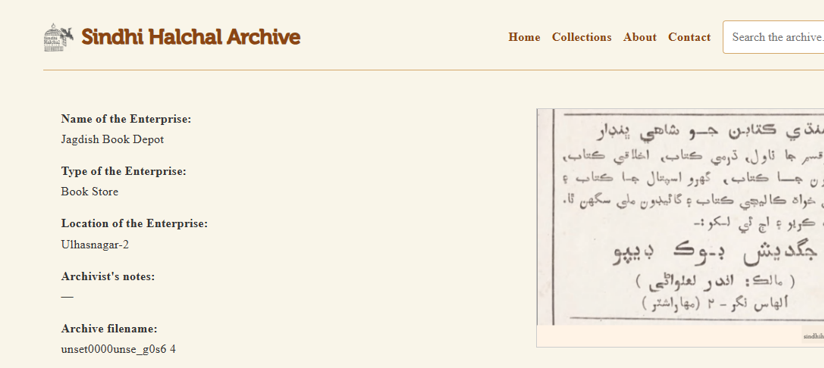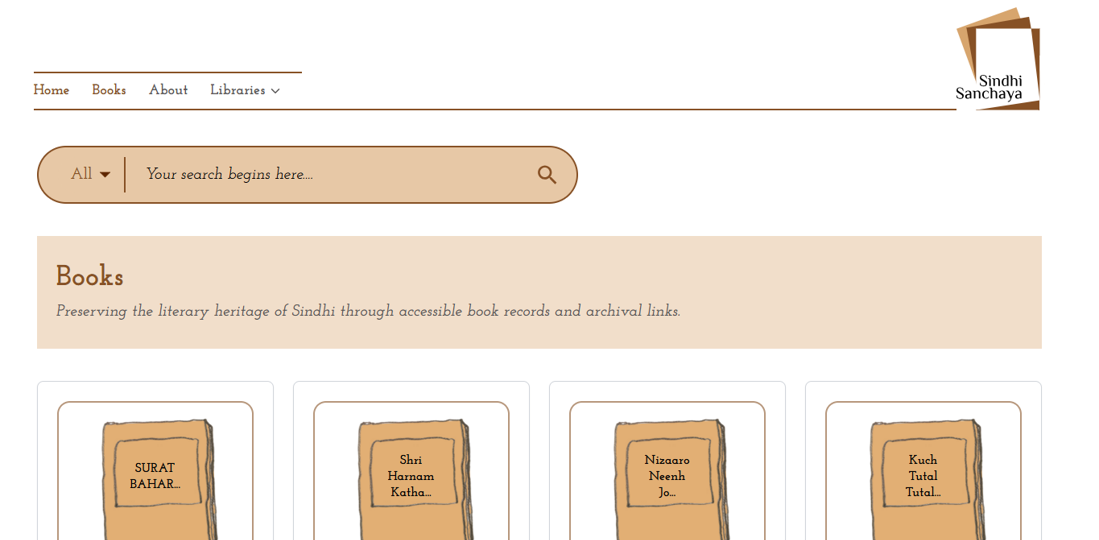
Sindhi Sanchaya: A Repository of Data about Sindhi Books
In my previous post, I wrote about the Sindhi Halchal Archive: a passion project that extends the work of the…
In my previous post, I wrote about the Sindhi Halchal Archive: a passion project that extends the work of the…
This is a guest post by Andrew Chittick. The author bio is below. The Digital Orientalist has proven to be…
Since its founding in 2013, The Digital Orientalist has grown from a research blog by Cornelis van Lit to an…
In my previous post, I wrote about potentialities: I spoke about what might be doable for the Sindhi presence within…
Welcome back to another year at The DO! This post kicks off the beginning of the 2025/26 year! Before looking…
The Digital Orientalist is pleased to announce its annual open call for editors, contributors, and team members for the 2025-2026 academic…
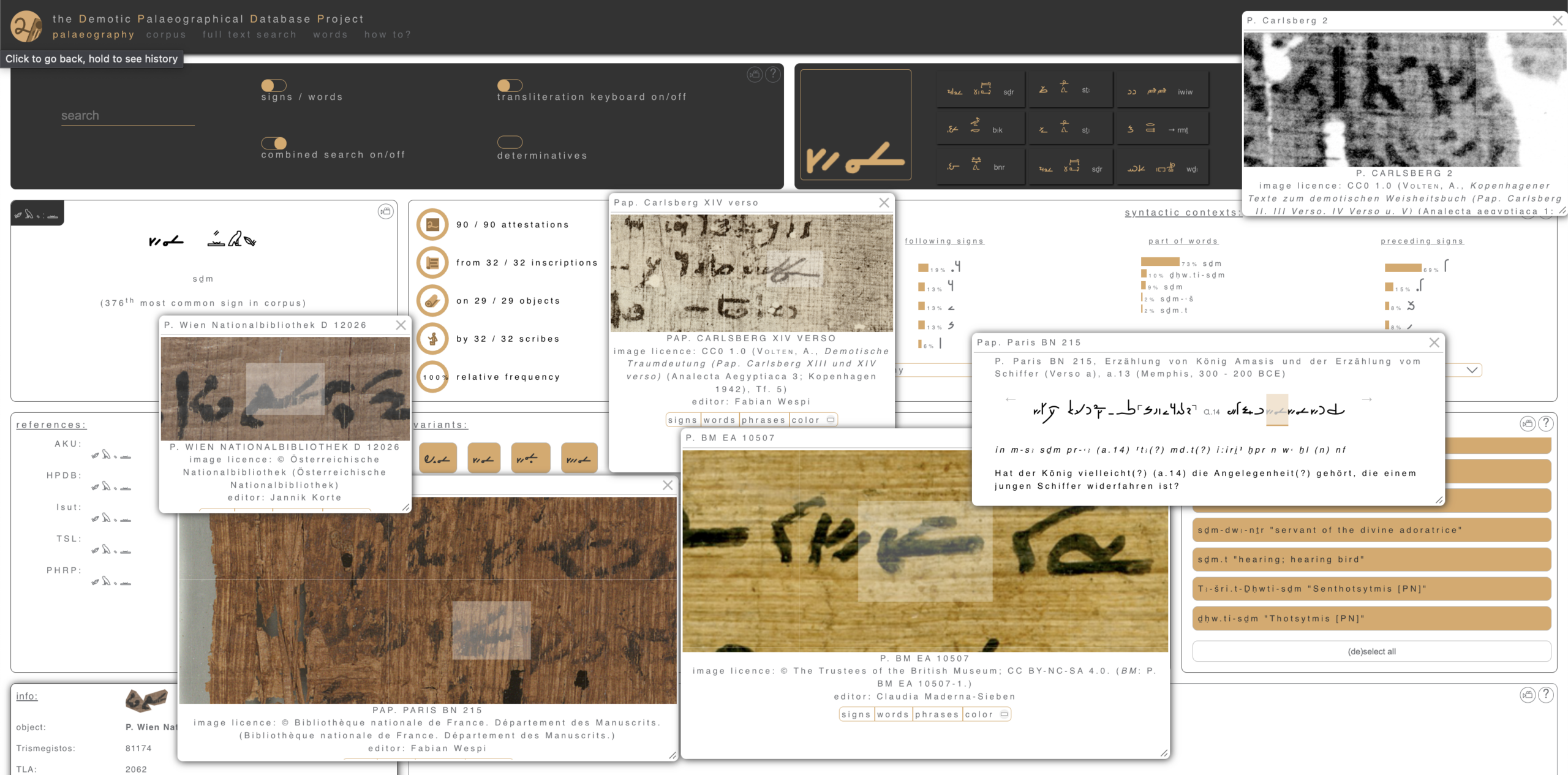
In my previous discussion, I examined AKU-PAL, the palaeographical database for hieratic script among ancient Egyptian writing systems. This article…
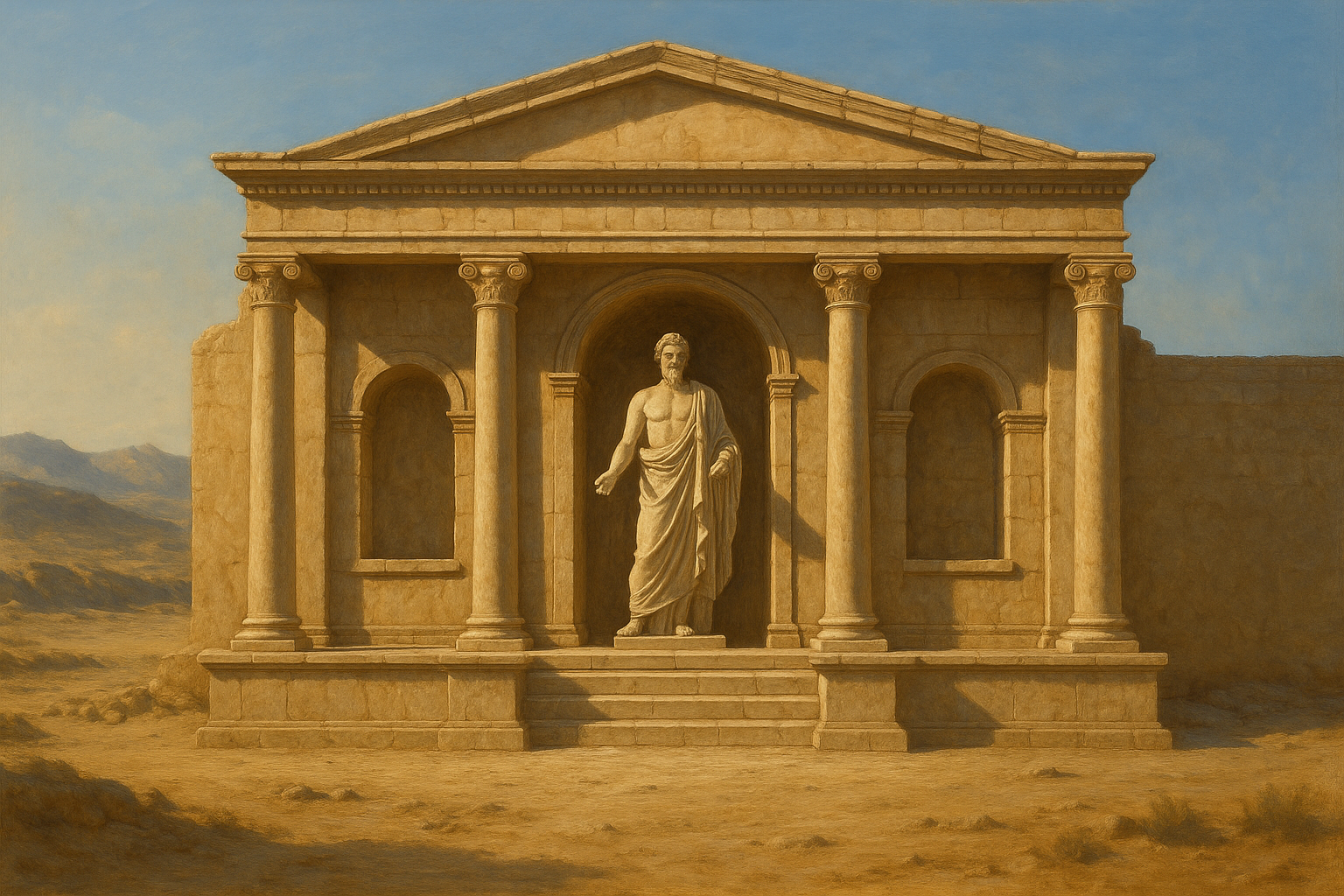
This is part three of a three-part series on the biases about Hellenistic Central Asia in generative artificial intelligence (AI) datasets. In this final part, I planned to discuss how Hellenistic Central Asia was biased in conversational AI models, such as ChatGPT 4o and Gemini 1.0, but newer “Deep Research” functions have since replaced and exponentially increased the capabilities of those legacy models.
In her essay “Why Are the Digital Humanities So White? or Thinking the Histories of Race and Computation,” Tara McPherson…
Last October 2024, I had the great privilege to be invited to give a paper at “The International Conference on…